
Plants
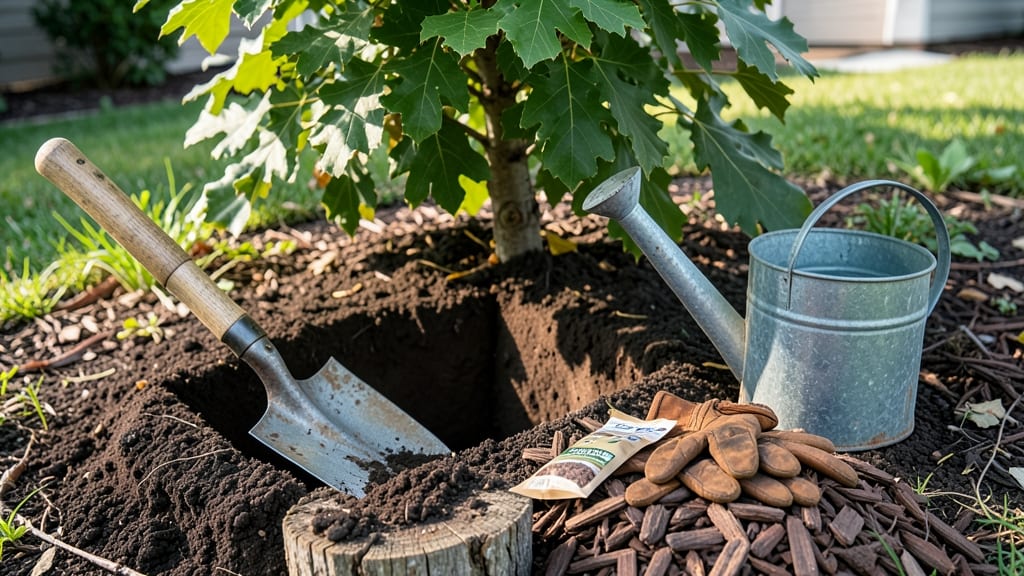
Timing is everything when it comes to planting a tree in Texas—get it wrong, and you’re fighting drought, scorching heat, or even stunted growth before your 🌱 even takes root.
The Lone Star State’s brutal summers and unpredictable winters mean the difference between a thriving canopy and a struggling sapling often comes down to a few weeks in the calendar.
I’ve seen firsthand how a tree planted just a month too early can struggle to establish roots before the heat sets in, while one planted at the perfect moment can shoot up 3 feet in its first year.
Whether you’re in North Texas, the Hill Country, or the Gulf Coast, the right window ensures your tree survives—and thrives—against Texas’ harshest conditions.
This guide breaks down the fastest ways to get your tree off to a strong start, from soil prep to species-specific timing. We’ll cover drought-resistant varieties, container planting hacks, and even how to spot the ideal moment before you dig that first hole.
Ready to turn your backyard into shade heaven? Let’s dive into the exact months—and mistakes—to avoid for maximum root growth and long-term success.
Texas heat-Zone map: best planting months by region (avoid these deadly mistakes)
Texas isn’t one-size-fits-all when it comes to planting trees. The state spans 11 USDA hardiness zones, from Zone 6b in the Panhandle to Zone 10a in South Texas, each with its own ideal planting window.
Planting in the wrong zone or season can leave your tree struggling through 100°F+ summers or freezing winter snaps.
For most of Texas, the best planting window is early spring—when soil warms to 60°F+—or late fall, before first frost risks. But timing varies drastically between regions.
North Texas (Zones 7-8) can handle bare-root trees in winter, while South Texas (Zones 9-10) thrives with year-round planting for tropical species.
Here’s the breakdown you need to avoid costly mistakes:
| Region | USDA Zones | Best Planting Months | Avoid Planting | Soil Temp Goal |
|---|---|---|---|---|
| North Texas (Panhandle) | 6b-7a | Late March–April | June–August | 55–60°F |
| Dallas/Fort Worth | 7b-8a | February–March | July–September | 60–65°F |
| Austin/Hill Country | 8a-8b | January–February | May–August | 65–70°F |
| Houston/Gulf Coast | 9a-9b | September–November | January–March | 70–75°F |
| South Texas (Rio Grande Valley) | 10a-10b | Year-round (best: Oct–Dec) | None (but avoid extreme heat) | 75–80°F |
Pro tip: Use a soil thermometer to confirm temperatures. If soil is below 55°F, roots won’t establish—even in Zone 9. In North Texas, wait until after last frost (usually mid-March) to plant deciduous trees like oaks or maples.
For container-grown trees, you can plant 1–2 months earlier than bare-root, since their roots aren’t exposed to cold. But avoid planting when forecasted highs exceed 90°F—transplant shock spikes in heat.
Texas’ Hill Country (e.g., San Antonio) has microclimates where evenings stay cool year-round. Here, fall planting (September–October) often outperforms spring for evergreens like cedar elms.
One common mistake? Planting fruit trees (like pecans) too late in spring. They need 6–8 weeks of root growth before summer’s 100°F+ heat hits. Aim for February–March in North Texas or January in Central Texas.
🌱
Signs your tree is ready to plant (and 3 critical pre-planting checks)
Before you dig that hole, check these 3 critical signs your tree is ready for Texas soil. Skipping these steps often leads to transplant shock or poor root establishment—especially in our unpredictable microclimates.
I’ve learned the hard way that even a 1-day delay can mean the difference between thriving and struggling.
First, examine the root ball if your tree came in a container. Healthy roots should be white or light tan and spread out evenly. If you see circled roots (roots growing around the container), gently tease them apart—this prevents girdling later.
For bare-root trees, look for firm, moist roots without any dry or mushy sections.
Next, test your soil moisture by digging a small hole (6 inches deep) in the planting area. If the soil feels dry but crumbly, it’s ready—Texas clay can be tricky, so aim for 60-70% moisture before planting.
Pro tip: Water the hole the day before planting to give roots a head start in hydration.
🌱
For container-grown trees, inspect the foliage—healthy leaves should be vibrant green without yellowing or browning. If more than 10% of leaves are damaged, trim them off before planting to reduce transplant stress.
Also, check the pot size: If roots have completely filled the container, it’s time to plant.
Finally, avoid planting during extreme weather. Texas summers can bring sudden downpours followed by scorching heat, which confuses young roots. Aim for mild days (60-75°F) with light winds. Early morning or late afternoon are ideal times to plant—roots establish better when not exposed to midday sun.
Don’t forget to mulch immediately after planting! A 3-inch layer of mulch (wood chips or pine straw) helps retain moisture and regulate soil temperature. Just keep it 6 inches away from the trunk to prevent rot.
With these checks, your tree will have the best possible start in Texas’ challenging climate.
🪴