
Trees
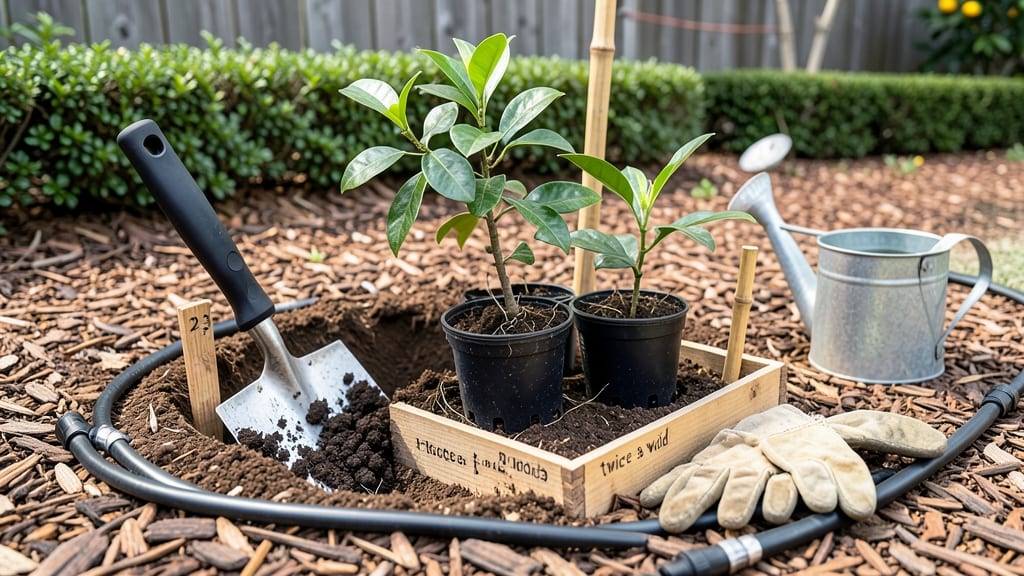
Timing is everything when it comes to planting fruit trees in Florida—get it wrong, and your 🍎 could struggle or even fail to thrive. Florida’s warm climate might suggest year-round planting, but the real secret lies in avoiding extreme heat and aligning with the tree’s natural growth cycles.
Whether you’re dreaming of juicy oranges or sweet mangoes, planting at the right time ensures strong roots and healthier trees for years to come.
Most Florida gardeners swear by late winter to early spring (February–April) or fall (September–November) as the best windows for planting. These periods offer cooler temperatures, allowing young roots to establish without the stress of summer heat or winter freezes.
But here’s the catch: Florida’s diverse heat zones (from 8a in the Panhandle to 11 in the Keys) mean timing can vary slightly depending on where you live.
If you’re itching to plant now, don’t rush—summer heat can shock delicate roots, while early fall gives trees time to settle before winter. I’ll break down the ideal months for your specific zone and share pro tips to set your fruit trees up for success.
Let’s make sure your next harvest is the best one yet!
From citrus to avocados, each fruit tree has its own preferences, but the golden rule remains: plant when the weather works with you, not against you. Stick with me, and you’ll learn how to turn Florida’s climate into your advantage—no guesswork required.
Florida’s best planting windows for fruit trees by heat zone
Florida’s 11 heat zones (A1–B3) create a patchwork of microclimates where citrus, avocado, and fig trees thrive year-round—but timing matters. Unlike northern states, Florida’s frost-free winters and humid summers demand strategic planting to avoid heat stress or poor root establishment.
For tropical fruit trees like mangoes and avocados, year-round planting is possible, but fall (September–November) offers cooler temps and ideal moisture for root growth. Temperate varieties, such as peaches or persimmons, need late winter (February–March) planting to escape summer’s brutal heat.
Here’s how Florida’s zones break down for optimal planting windows, including soil prep and care tips tailored to your region:
| Heat Zone | Best Planting Months | Key Fruit Trees | Soil Prep Tip |
|---|---|---|---|
| A1 (North FL: Pensacola) | Feb–March (avoid frost) | Peach, Fig, Persimmon | Amend clay soil with compost |
| A2 (Gainesville) | Sep–Nov or Feb–March | Citrus, Avocado, Loquat | Test pH (6.0–7.0 for citrus) |
| B1 (Orlando) | Year-round (best Sep–Nov) | Mango, Guava, Banana | Improve drainage in sandy soil |
| B2 (Miami) | Year-round (avoid summer) | Lychee, Sapodilla, Citrus | Mulch heavily to retain moisture |
| B3 (Key West) | Year-round (best Sep–Dec) | Coconut, Breadfruit, Starfruit | Use raised beds for poor soil |
In North Florida (A1–A2), late winter planting (February–March) aligns with dormant seasons for temperate trees, while South Florida (B2–B3) allows year-round planting—just avoid June–August’s extreme heat, which stresses young roots.
For citrus trees, September–November is ideal because cooler temps reduce transplant shock, and rainfall increases natural moisture. Meanwhile, avocado trees thrive when planted in fall or spring, avoiding summer’s 90°F+ soil temps, which can kill roots.
Pro tip: Bare-root trees (sold dormant) plant best in winter (Dec–Feb), while container-grown trees can go in year-round. Just water deeply after planting and mulch to lock in moisture—critical in Florida’s sandy or clay soils.
If you’re in Central Florida (B1), September–October is your sweet spot: humidity is high but temps are mild, perfect for tropical fruit trees like mangoes. Skip summer planting—heat stress can kill young trees before they establish.
Remember: Soil prep is half the battle. Test your soil’s pH (citrus needs 6.0–7.0), amend with compost for sandy areas, and raise beds in waterlogged zones. Root growth in the first 3 months determines your tree’s long-term health.
🌱
Critical mistakes to avoid when planting fruit trees in Florida’s climate
Planting fruit trees in Florida might seem straightforward, but the state’s unpredictable freezes and intense summer heat create hidden risks. Many gardeners make costly mistakes—like planting during peak heat—that stunt growth or invite disease.
I’ve seen firsthand how a single misstep can turn a promising young tree into a struggling survivor.
One of the biggest errors is planting bare-root trees in summer. The roots dry out quickly in Florida’s 90°F+ temperatures, and the tree struggles to establish itself. Even container-grown trees suffer if planted during June or July, when humidity spikes fungal risks.
Always check the USDA heat zone for your area—North Florida’s Zone 8a has different rules than South Florida’s Zone 11.
Here’s the visual breakdown of what to avoid, with actionable fixes for Florida’s unique challenges:
⚠️ Top 3 Planting Mistakes in Florida
- Planting during summer heat: Roots dry out in 90°F+ soil. Fix: Wait for fall (Sept-Nov) or winter (Dec-Feb).
- Ignoring soil pH: Citrus needs pH 6.0–7.0; avocados prefer 6.0–6.5. Fix: Test soil and amend with lime or sulfur.
- Skipping frost protection: Even South Florida gets light freezes. Fix: Use frost cloth for young trees.
Another common trap is overwatering young trees during Florida’s rainy season. While it seems counterintuitive, soggy soil suffocates roots and invites root rot. Instead, focus on deep, infrequent watering—aim for 15–20 gallons per tree once a week, then reduce as the tree matures.
Mulch with 3–4 inches of wood chips to retain moisture without compacting the soil.
Don’t overlook container-grown trees, either. Many nurseries sell them year-round, but planting them in summer’s peak heat stresses the roots.
If you must plant in summer, soak the root ball for 20–30 minutes before transplanting and shade the tree for the first 2–3 weeks with a 50% shade cloth. This gives roots time to adjust without burning out.
Finally, resist the urge to fertilize heavily at planting. Florida’s soils are often nutrient-rich but poorly drained, and excess fertilizer can burn roots or leach into groundwater.
Stick to a light feeding with a balanced 6-6-6 fertilizer in September or February, then monitor the tree’s growth before adding more.
By avoiding these mistakes, your fruit trees will thrive in Florida’s climate—yielding sweeter fruit and stronger growth year after year. The key is patience and preparation, not rushing the process. 🌱