
Plants
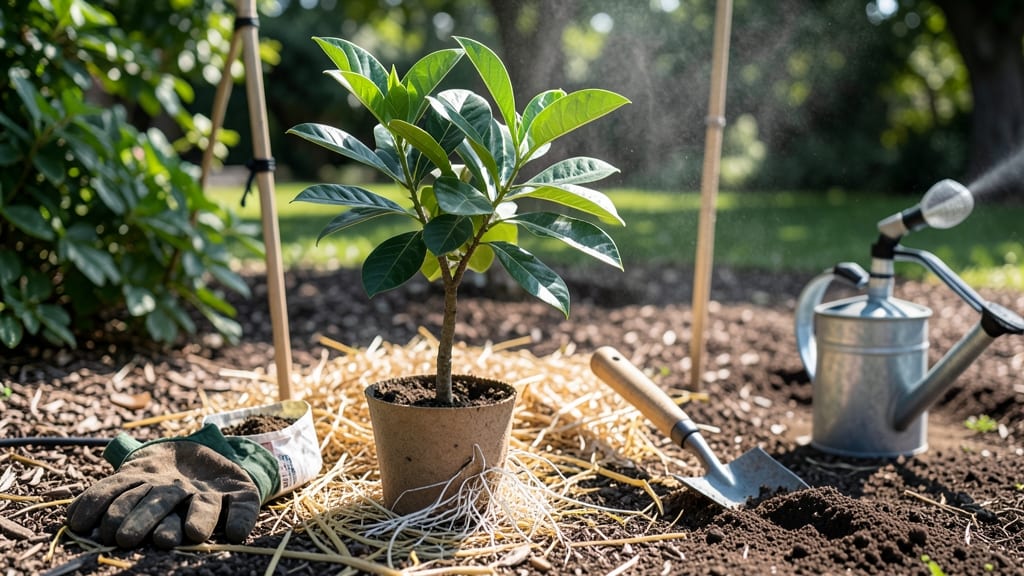
Ideal soil temperature ranges for planting avocado trees in ground
Avocado trees (Persea americana) are tropical/subtropical plants that demand precise soil temperature conditions to thrive. Planting too early in cold soil (below 60°F) stunts root growth, while waiting too long in heatwaves above 85°F stresses young roots.
The sweet spot for planting is when soil temperatures consistently stay between 65°F and 75°F—this range triggers robust root development and reduces transplant shock.
In USDA Zones 9b-11 (frost-free climates), you can plant year-round, but spring (March-May) and early fall (September-November) offer the best balance of warmth and moisture. For Zones 6-8, timing is critical—wait until after the last frost and when soil temperatures exceed 60°F for 3+ weeks to avoid cold damage.
Microclimates play a huge role. In California's coastal regions, soil warms faster than inland areas, so planting dates shift 2-4 weeks earlier. Meanwhile, Florida's humidity keeps soil temperatures stable, allowing for extended planting windows compared to drier climates like Arizona, where rapid temperature swings demand careful monitoring.
🌱
🌡️ Avocado Tree Planting Soil Temperature Guide
| Zone & Climate | Ideal Soil Temp | Planting Window | Root Growth Threshold |
|---|---|---|---|
| USDA 9b-11 (Tropical) | 65°F–80°F | Year-round (best: Mar–May, Sep–Nov) | >60°F for 7+ days |
| USDA 8a-8b (Subtropical) | 68°F–75°F | After last frost (Apr–Jun) | >65°F for 14+ days |
| USDA 6a-7b (Temperate) | 70°F–78°F | Late spring (May–Jun) | >70°F for 21+ days |
| California Coastal | 62°F–72°F | Feb–Apr (soil warms faster) | >58°F for 10+ days |
| Arizona Desert | 72°F–82°F | Sep–Oct (avoid summer heat) | >75°F for 7+ days |
⚠️ Warning: Soil temps >85°F can cause root burn; use shade cloth if planting in summer.
Root growth is directly tied to soil temperature. Below 60°F, avocado roots stop elongating and become susceptible to rot or fungal diseases. Above 85°F, roots struggle to absorb water, leading to wilting despite adequate soil moisture.
The key is to plant when soil temps are stable in the ideal range for at least 2 weeks before and after transplanting.
For container-grown avocados transitioning to ground, harden off plants by gradually exposing them to outdoor temps for 2 weeks before planting. This mimics natural soil temperature shifts and reduces shock. Use mulch (straw or wood chips) to regulate soil temps—keeping roots 5–10°F cooler in summer and 5°F warmer in winter.
In Zone 10+, where frost is rare, focus on rainy seasons. Plant in late summer (August-September) to take advantage of cooler soil temps and higher humidity, which reduce transplant stress. Avoid planting during dry spells when soil can dry out too quickly.
🌿
My pro tip: Bury a soil thermometer 4–6 inches deep (where roots will grow) for 3 days before planting. If temps fluctuate more than 10°F daily, delay planting until conditions stabilize. This small step can save your sapling from transplant shock or stunted growth.
🪴
Best months to plant avocado trees by climate Zone
Timing your avocado tree planting depends entirely on your USDA hardiness zone and local climate. In tropical zones (10a+), like Hawaii or Southern Florida, you can plant year-round—but spring or fall still offers ideal conditions.
For subtropical zones (9a-9b), such as California’s coastal areas, aim for late winter to early spring (February-March) to avoid summer heat stress. In temperate zones (6a-8b), like Texas or Arizona’s inland regions, wait until after the last frost date (typically April-May).
Regional microclimates matter too. For example, Southern California gardeners often plant in November-December to take advantage of mild winters, while Florida’s interior (Zone 9a) prefers January-February to avoid hurricane season risks. Always check your local frost-free date—planting too early in colder zones can kill young roots before they establish.
Here’s how to match your zone to the best planting window:
| Climate Zone | Best Planting Months | Key Consideration |
|---|---|---|
| Tropical (10a+) | Year-round (peak: Spring/Fall) | Avoid hurricane season (June-Nov) |
| Subtropical (9a-9b) | Late Winter-Early Spring (Feb-Mar) | Soil warms before summer heat |
| Temperate (6a-8b) | After last frost (Apr-May) | Wait for soil temps >60°F |
| Desert (9a-10a) | Late Summer (Aug-Sept) | Escape extreme summer heat |
If you’re transitioning an avocado tree from a container to ground planting, time it for spring or early fall—this gives roots 3-4 months to adjust before extreme weather.
In Zone 9b+, you can also plant in late summer (August-September) to avoid summer’s peak heat. Just ensure soil temps stay above 65°F for root growth.
Mistake alert: Planting in late fall or winter (November-January) in colder zones risks root damage from frost. Similarly, planting in mid-summer (June-August) in hot climates stresses young trees with intense heat and evaporation. Always prioritize soil warmth over calendar months—your avocado tree’s roots will thank you.
For container-grown trees, spring planting is ideal because it aligns with natural growth cycles. If you’re in a warmer microclimate (like a sheltered valley), you might push planting to early December, but monitor frost forecasts closely.
The goal? Give your tree 6-8 weeks of warm soil before winter’s chill sets in.
🌱 Remember: Avocado trees thrive with consistent warmth. If your local weather service predicts unseasonable cold snaps, delay planting until conditions stabilize. Patience now means stronger roots and bigger harvests later!