
Trees
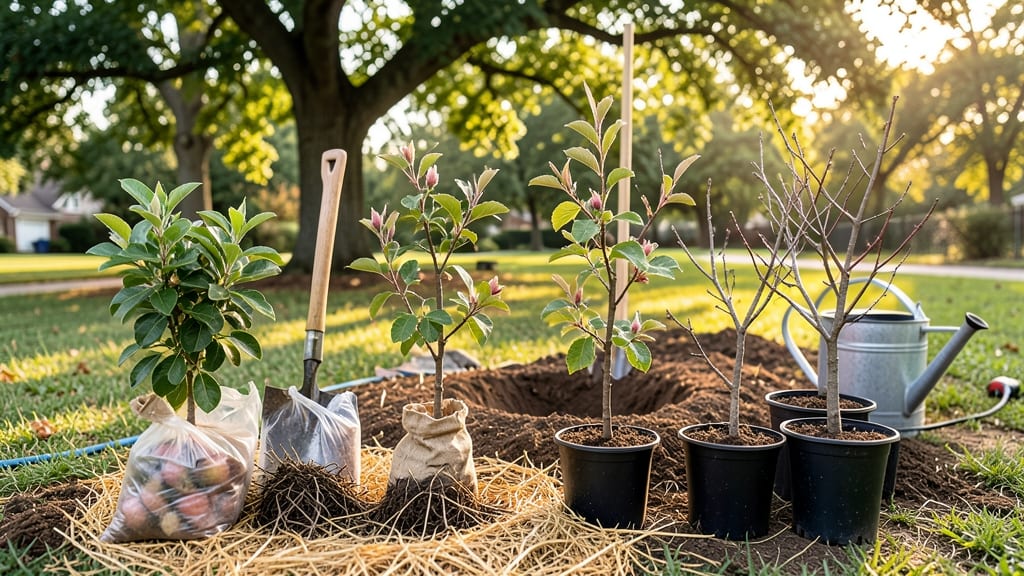
Planting your 🍎 fruit tree at the wrong time in Virginia could mean waiting years for that first harvest—or worse, losing your investment before it even takes root.
Timing isn't just about seasons; it's about understanding dormancy, soil temperatures, and Virginia's unique microclimates. Whether you're in the Piedmont or Tidewater regions, getting this right is the key to strong root growth and a thriving orchard.
I've spent years working with Virginia gardeners, and what I'm about to share will help you avoid common mistakes. From bare-root planting in late winter to container-grown trees in early spring, I'll show you exactly when and how to plant for maximum success.
Let's dive into the secrets that make all the difference between a struggling sapling and a productive fruit tree that will feed your family for decades.
Best planting months for fruit trees in Virginia’s climate zones
Virginia’s diverse climate—from the cooler Piedmont to the warmer Tidewater region—means planting fruit trees requires precision. The ideal window for dormancy planting spans November through March, aligning with the tree’s natural rest period. This timing lets roots establish before spring growth begins.
In USDA zones 5b–6a (northern VA), focus on November–early March to avoid winter’s harshest freezes. For zones 7a–8a (southern VA), October–February works best, as milder winters reduce frost risks. Always check your local last frost date—planting too early can shock roots.
🌱
Virginia Fruit Tree Planting Timeline
| Zone | Best Months | Soil Temp | Key Notes |
|---|---|---|---|
| 5b–6a (Piedmont) | Nov–Early Mar | 45–60°F | Avoid early Nov frost; mulch heavily. |
| 6b–7a (Central VA) | Oct–Feb | 50–65°F | Peach/persimmon thrive here; plant before buds swell. |
| 7b–8a (Tidewater) | Sep–Jan | 55–70°F | Figs/loquats prefer warmer soil; extend window to Dec. |
🌡️ Pro Tip: Use a soil thermometer—roots need 50–60°F for optimal growth.
Fall planting (October–November) is my top recommendation for Virginia growers. Cooler temps reduce transplant shock, while 6–8 weeks before frost lets roots settle before winter. For bare-root trees, this window is critical—they’re dormant and less stressed.
Spring planting (February–March) works too, but rush only if you missed fall. Avoid planting in late March–April—buds may break dormancy too soon, leading to frost damage when temperatures dip. Always opt for container-grown trees in spring if fall planting isn’t possible.
Regional microclimates matter! In mountainous areas (zones 5b–6a), prioritize November–January to avoid early snow. Coastal zones (7b–8a) can extend to December for tropical varieties like figs or loquats, which handle warmth better.
🌳
Never plant in summer or early fall—heat stress and fungal risks skyrocket. If you’re unsure about your zone, check the Virginia Cooperative Extension’s frost map or use the USDA Plant Hardiness Tool. Local nurseries often provide zone-specific advice too!
For container-grown trees, spring (March–April) is ideal—they adapt better to warmer soil. But if you’re in zone 7a+, consider fall for varieties like peaches or plums, which need chilling hours to fruit well.
How to time your planting for maximum root growth in Virginia soil
Timing your fruit tree planting isn’t just about picking a month—it’s about syncing with Virginia’s soil temperatures and dormancy cycles. The ideal window for root establishment is when soil temps hover between 50–60°F, giving roots time to grow before spring growth begins.
This typically falls between late November and early March, but exact timing varies by Virginia’s USDA zones 5b–8a.
For bare-root trees, late winter (February–March) is perfect because they’ve been stored dormant and can immediately begin root growth as soil warms. Container-grown trees, however, can handle early spring (March–April) or late fall (October–November) planting, as their roots aren’t exposed to cold stress.
The key is avoiding frost heaves (when soil freezes and lifts roots) and early spring thaws that can stress young trees.
🚨 CRITICAL WARNING: Planting too early (before soil cools in fall) or too late (after buds swell in spring) risks root suffocation or dormancy disruption.
In Virginia’s Tidewater region (Zone 8a), for example, fall planting should wrap up by mid-November to avoid winter rains, while Piedmont (Zone 7a) gardeners can extend planting until early April without risking frost damage.
⚠️ Common Planting Mistakes in Virginia
- Planting too deep: Burying the graft union (visible bump on trunk) can strangle the tree. Correct depth is 2–3 inches above soil level.
- Ignoring soil prep: Virginia’s clay-heavy soils need amendments like compost or sand. Test pH (ideal: 6.0–7.0 for most fruit trees).
- Skipping mulch: Without 3–4 inches of mulch, soil temps fluctuate wildly, stressing roots. Use wood chips or straw, keeping mulch 6 inches from the trunk.
- Planting in low spots: Poor drainage leads to root rot. Choose a slightly elevated site with good airflow.
🌱 Pro Tip: Water deeply after planting to eliminate air pockets in soil.
Before planting, acclimate bare-root trees for 1–2 hours in a shaded, outdoor spot to reduce transplant shock. For container-grown trees, prune any circling roots and loosen the root ball gently to encourage outward growth.
Virginia’s humid summers mean you’ll also want to avoid overhead watering—stick to drip irrigation or soaker hoses to prevent fungal diseases like apple scab or peach leaf curl.
After planting, stake only if necessary—most fruit trees establish well without support. Focus instead on consistent watering (1–2 inches per week) and seasonal mulching to protect roots.
In Virginia’s Zone 6b–7a, where winters can be harsh, wrapping the trunk with tree guard (burlap or plastic) prevents rodent damage and sunscald.
Remember: The first 3 years are critical for root development. Trees planted at the right time in Virginia’s dormant season will outperform those planted during active growth. Monitor soil moisture closely—drought stress in young trees can set back growth for years.
With the right timing and care, your fruit trees will reward you with abundant harvests for decades.