
Plants
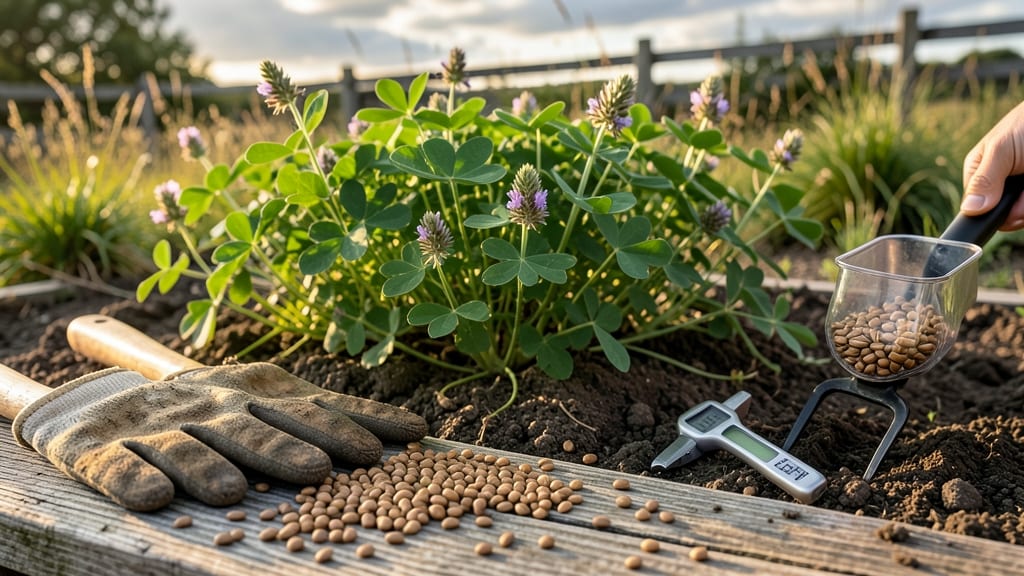
Timing your alfalfa planting in Indiana isn't just about following a calendar—it's about catching that sweet spot between soil warmth and frost-free days that make all the difference. With USDA zones 5b-6b offering diverse microclimates, planting too early risks frost damage while waiting too long can delay growth.
Whether you're growing this hardy forage crop for hay, soil improvement, or livestock feed, getting the timing right is the key to a thriving harvest.
For Indiana gardeners, the ideal window opens in early spring (March-April), when soil temperatures consistently reach 50°F—perfect for those tiny alfalfa seeds to sprout. But don't overlook late summer (August) as a backup option, especially in southern Indiana where warmer microclimates extend the growing season.
The challenge? Indiana's unpredictable springs can throw off even the best-laid plans, making regional adjustments essential for success.
What sets Indiana alfalfa planting apart is the need to balance moisture and temperature—too wet and seeds rot, too dry and germination stalls. Local factors like urban heat islands or rural clay soils can shift your optimal planting date by weeks.
I'll show you how to read your soil's signals and adjust for Indiana's unique growing conditions, so you're not guessing whether your alfalfa will take root or flop.
Let's break down exactly when to plant in your specific corner of Indiana, from northern frost pockets to southern humidity zones, plus pro tips to handle Indiana's most common planting pitfalls.
By the end, you'll know not just when to plant, but how to set your alfalfa up for a bumper crop from day one.
Indiana’s best planting windows for alfalfa by region (2024 guide)
Alfalfa thrives in Indiana’s USDA zones 5-8, but the exact planting window depends on your location’s last frost date and soil temperature. Northern Indiana’s cooler springs demand earlier plantings, while Southern Indiana’s warmer microclimates allow later starts.
Let’s break down the best monthly planting windows for each region to maximize your crop’s success.
For Northern Indiana (zones 5-6), aim to plant early March to mid-April when soil temperatures consistently reach 50°F+. This gives seedlings time to establish before the average last frost (April 15).
Southern Indiana (zones 7-8) gardeners have more flexibility, with ideal planting dates stretching from mid-March to early May.
Here’s how Indiana’s three regions compare for alfalfa planting:
If you miss the spring planting window, don’t worry—alfalfa also tolerates late summer plantings (August), though yields may be slightly reduced. This second window works best in Southern Indiana, where summers are longer and frost arrives later.
Always test soil temperatures with a soil thermometer before planting to avoid cold-soil shock.
For urban gardeners or those in microclimates with delayed springs, consider using row covers or cold frames to extend your planting window by 2-3 weeks. These tools can protect young seedlings from unexpected late frosts that often hit Indiana in May.
Just remove covers once plants reach 6 inches tall to prevent overheating.
Pro tip: Plant alfalfa after your last frost but before mid-June to ensure strong root establishment before summer heat sets in. Alfalfa’s deep taproot system needs 6-8 weeks of warm soil to establish properly—don’t rush the process! 🌱
One common mistake is planting alfalfa too early in Northern Indiana when soil is still cold. Seedlings may rot before sprouting. To check readiness, insert a soil thermometer 2 inches deep—wait until it reads consistently above 50°F for at least 5 days.
Patience here pays off with healthier stands and higher yields.
For large-scale farmers, consider no-till planting in late spring to preserve soil moisture and reduce erosion risks. Smaller gardeners can achieve similar benefits by planting into well-prepared beds with compost and a light mulch layer to retain moisture.
Both methods help alfalfa establish faster in Indiana’s variable rainfall patterns.
Remember, alfalfa’s first harvest window opens 90-120 days after planting, so plan accordingly. If you’re growing it for forage or hay, aim to harvest before 20% of plants flower to maintain quality. For soil improvement, let it grow longer to maximize nitrogen fixation.
Indiana’s humid climate can also bring fungal diseases like leaf spot if planting is delayed. To mitigate risks, choose disease-resistant varieties like ‘Ladak’ or ‘Moapa’, which perform well in Indiana’s conditions. Always rotate crops to prevent soil-borne pathogens from building up over time.
How soil temperature and microclimates affect alfalfa germination success
Alfalfa seeds need consistent soil temperatures of 50°F or warmer to germinate properly. In Indiana’s USDA zones 5-7, this means waiting until after the last frost date—typically mid-April in the north and early April in the south.
Planting too early risks rot or poor germination from cold, wet soil.
Soil temperature fluctuates based on microclimates. Urban areas like Indianapolis often warm up faster than rural northern Indiana due to heat absorption from buildings. Test your soil with a soil thermometer—aim for 55°F+ for best results. If temperatures drop below 45°F, germination slows dramatically.
🌱 Moisture matters just as much as temperature. Alfalfa seeds need consistent moisture to sprout, but waterlogged soil can cause rot. In Indiana’s spring rains, avoid planting in low-lying areas where water pools. Instead, choose slightly elevated spots with good drainage.
Cold soil (<45°F) delays germination by weeks, leaving seeds vulnerable to fungal diseases like Pythium. Late plantings (after June) risk heat stress and poor root establishment before winter.
Indiana’s northern regions (e.g., Fort Wayne) may need to wait until late April, while southern Indiana (e.g., Evansville) can start as early as mid-March if soil is warm enough.
Urban gardens face extra challenges. Pavement and buildings create heat islands, making city soil warm up 1-2 weeks earlier than rural areas. Monitor your specific location—backyard soil near a south-facing fence may be ready 10-14 days earlier than open fields.
For late-season plantings, aim for August in Indiana to give roots time to establish before first frost (mid-October). Use a lightweight row cover if nights dip below 40°F to protect young seedlings. This extends your planting window by 4-6 weeks in favorable years.
🌡️ Pro tip: If your soil is too cold in early spring, mix in compost or aged manure to raise temperatures naturally. This works best in raised beds, where soil warms 2-3°F faster than in-ground plots.