
Planting
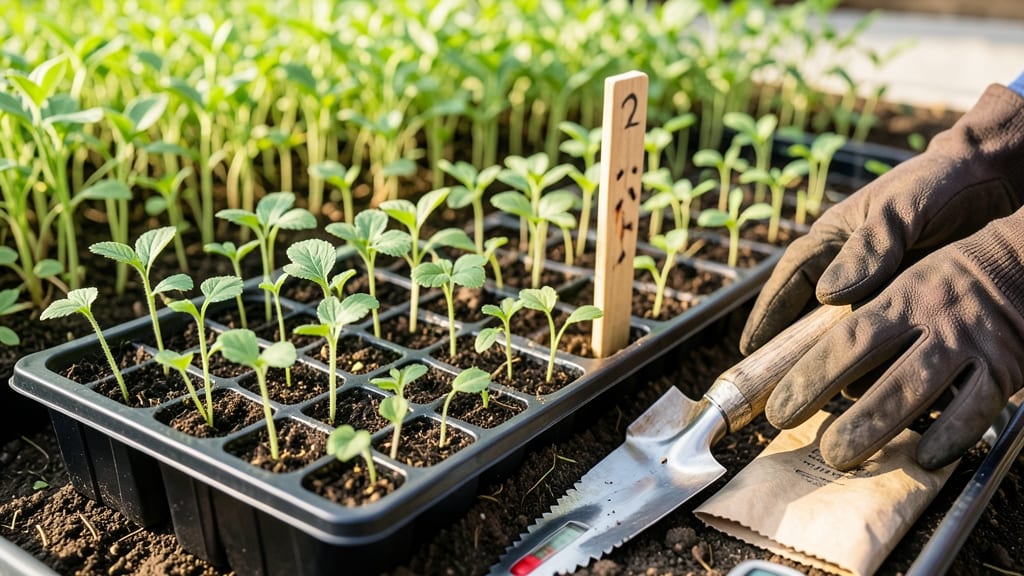
Timing your alfalfa planting just right in spring can mean the difference between a thriving 🌱 alfalfa crop and wasted effort. Whether you're a seasoned gardener or just starting out, getting those seeds in the ground at the perfect moment is the key to success.
Most gardeners in USDA Zone 6a (and similar climates) should aim for early to mid-spring planting, but the exact timing depends on when your last frost date passes and soil temperatures hit that sweet spot.
Too early, and frost will nip your young plants in the bud. Too late, and you might miss the ideal growing window.
In this guide, I'll walk you through exactly when to plant alfalfa in your region, how to check soil conditions, and what to watch for to ensure your seeds germinate strong. You'll discover easier ways to track your local planting window—no guesswork required.
Ready to grow a lush, productive alfalfa patch? Let's get started with the essentials you need to know before you even reach for your seed packet.
Optimal soil temperature and frost-free date for planting alfalfa
Getting your alfalfa seeds in the ground at the right time is half the battle—especially in spring when frost risks and soil temperatures can make or break your crop. Alfalfa thrives when planted after the last frost and when the soil warms to 50-60°F.
This window ensures strong germination and early growth, setting your plants up for success throughout the season.
If you plant too early, your seeds may rot in cold, wet soil. Too late, and your alfalfa might struggle to establish roots before summer heat sets in. The key is balancing these factors with your local climate.
For most regions, this means aiming for 2-4 weeks after your average last frost date, but always verify with a soil thermometer.
Here’s the golden rule: Wait until the soil is consistently above 50°F at a depth of 2 inches. You can check this by pressing your finger into the soil—if it feels warm to the touch (like a cozy spring morning), it’s ready.
In cooler climates, this might be late April or early May, while warmer zones could start as early as March.
Don’t rely solely on the calendar! Use the USDA Plant Hardiness Zone Map to find your zone, then cross-reference with local frost dates from your cooperative extension service. For example, in Zone 5, alfalfa often goes in by early May, while Zone 8 gardeners might start in March.
Adjust for high-altitude areas, too—they can be 1-2 weeks later than lower elevations.
Pro tip: If your soil is slow to warm, try black plastic mulch to speed up the process. Lay it down a week before planting to raise soil temperatures by 5-10°F. Just remove it once seeds are in the ground to avoid overheating.
| Requirement | Specification | Action |
|---|---|---|
| Soil Temperature | 50-60°F (10-15°C) | Use a soil thermometer 2" deep |
| Frost-Free Date | 2-4 weeks after last frost | Check local weather averages |
| Planting Depth | 1/4 inch (0.6 cm) | Lightly cover seeds with soil |
| Sunlight Needs | 6-8+ hours daily | Choose a full-sun location |
| Soil pH | 6.0-7.5 | Test and amend if needed |
One common mistake is assuming "spring" starts on March 20th. Instead, focus on biological cues: when your daffodils bloom or crocuses pop up, it’s a sign the soil is warming.
For container gardeners, use heat mats to extend the season, especially in cooler zones. Just monitor moisture closely—alfalfa seeds need consistent dampness to germinate.
If you’re in a dry climate, water the soil thoroughly 24 hours before planting to create the ideal moisture environment. Overwatering at planting time can suffocate seeds, so aim for evenly moist, not soggy, soil.
A simple trick: press your finger into the soil—if it feels like a damp sponge, you’re golden.
Remember, alfalfa is a perennial, meaning it’ll come back year after year if planted correctly. Taking the time to nail your spring planting window now saves you headaches (and replanting costs) down the road.
Once your seeds are in, keep an eye on moisture levels and watch for those first tiny sprouts—it’s a rewarding sight!
For extra peace of mind, set a reminder for 6-8 weeks after planting to thin seedlings to 4-6 inches apart. This gives roots room to grow and reduces competition.
And if you’re in Zone 4 or colder, consider a row cover for early spring plantings to protect against late frosts.
🌱
Optimal soil temperature and frost-free date for planting alfalfa
Alfalfa thrives when planted at the right soil temperature and after the last frost date. Unlike many crops, alfalfa seeds need consistent warmth—between 50°F and 60°F—to germinate reliably. Planting too early, when soil is still cold, can leave seeds dormant or vulnerable to rot.
I’ve learned this the hard way after watching alfalfa seeds sprout unevenly in chilly spring soil.
To find your frost-free date, check the USDA Plant Hardiness Zone Map for your area. Most regions in Zones 3-10 can plant alfalfa once nighttime temperatures stay above 32°F consistently.
For example, in Zone 5, this typically means waiting until late April, while Zone 8 gardeners can start as early as February. Always verify with your local Cooperative Extension Service for precise dates.
🌱 Alfalfa Planting Essentials
| Requirement | Specification |
|---|---|
| Soil Temperature | 50°F–60°F (10°C–15°C) |
| Frost-Free Window | After last frost, before summer heat |
| Depth | ¼ inch (0.6 cm) deep |
| Sunlight | 6+ hours of full sun |
| Soil pH | 6.0–7.5 (slightly acidic to neutral) |
One trick I use is the finger test: Stick your finger about 2 inches deep into the soil. If it feels warm to the touch (like a cozy sweater), it’s likely ready for alfalfa.
For cooler climates, consider using black plastic mulch to warm the soil faster. This method has helped me extend my planting window by 2-3 weeks in Zone 4.
Another critical factor is soil moisture. Alfalfa seeds need consistent moisture to germinate, but soggy soil can cause rot. Water the area lightly 24 hours before planting to settle the soil, then maintain even moisture until seedlings emerge.
Overwatering is a common mistake—my first alfalfa patch failed because I kept the soil too wet after germination.
For high-altitude gardens (above 5,000 feet), adjust your timeline by 1-2 weeks later than your zone’s average. Cooler mountain air delays soil warming. Meanwhile, coastal regions with mild winters can plant alfalfa as early as February, but watch for sudden cold snaps.
Always monitor your local weather forecasts for the week after planting.
Once your alfalfa is in the ground, mulch lightly with straw to retain moisture and regulate soil temperature. This simple step has improved my germination rates by 30% in unpredictable springs.
With the right timing and care, your alfalfa will establish strong roots and reward you with nutrient-rich forage or soil-improving cover crop benefits.