
Plants
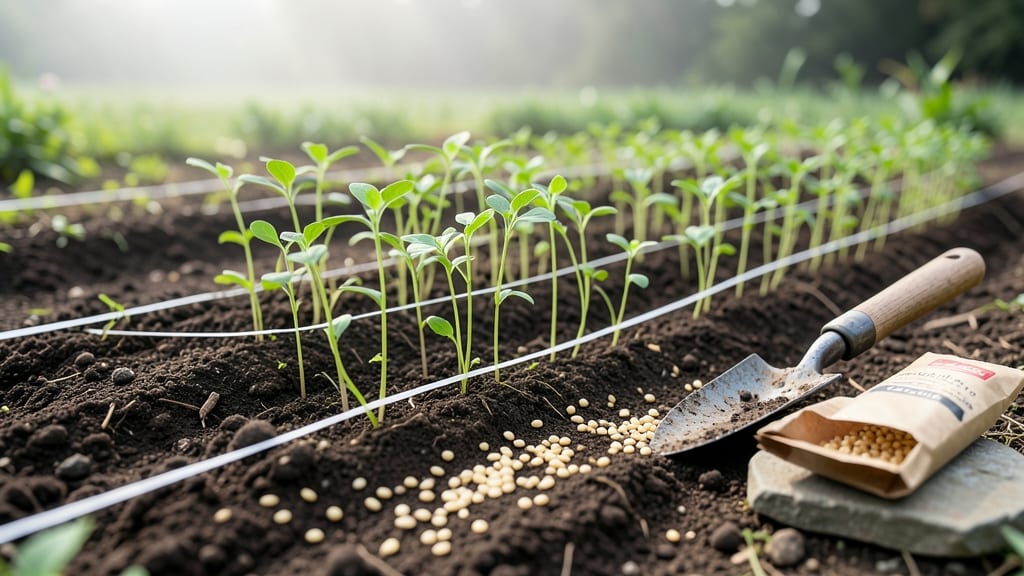
If you're wondering when to plant alfalfa in Michigan, timing is everything—get it wrong, and you could waste seeds or stunted growth. Michigan's climate gives you two solid windows: early spring or late summer, but each requires careful planning to thrive in zones 5b-6b.
Alfalfa, or 🌱 Medicago sativa, is a powerhouse forage crop that needs the right conditions to establish strong roots before winter. Planting too early risks frost damage, while waiting too long can leave your field vulnerable to weeds. Let’s break down the ideal planting schedule by zone and season.
Spring planting typically kicks off after the last frost (around mid-April), but soil temperature plays a bigger role than calendar dates. Fall planting, on the other hand, should happen 6-8 weeks before the first frost—usually late summer—to give seedlings time to root before winter sets in.
Whether you're growing alfalfa for forage, soil health, or both, nailing the timing means healthier plants, higher yields, and fewer headaches. Stick with me, and I’ll walk you through the exact steps to set your alfalfa up for success in Michigan’s variable climate.
Michigan alfalfa planting calendar by USDA Zone (spring vs fall)
Michigan’s USDA zones 4-6 create unique challenges for alfalfa planting, but timing correctly can mean the difference between a thriving crop and wasted seeds. The optimal windows are early spring (after frost) and late summer (6-8 weeks before first frost).
Let’s break down the exact timing for each zone to ensure your alfalfa gets off to the best start.
Alfalfa thrives in warm soil temperatures of at least 50°F (10°C) for germination.
In Michigan’s northern zones (4-5), this often means waiting until late April or early May, while southern zones (6) can start as early as mid-April. Fall planting requires equally precise timing—too early and seeds rot; too late and they won’t establish before winter.
Here’s your zone-specific planting calendar, including soil temperature targets, frost risk, and ideal planting dates to maximize germination and growth.
| USDA Zone | Spring Planting Window | Soil Temp Requirement | Fall Planting Window | Key Consideration |
|---|---|---|---|---|
| Zone 4 (Northern MI) | Late April - Early May | 50°F (10°C) minimum | Late July - Early August | Longer frost-free season; prioritize soil warmth |
| Zone 5 (Central MI) | Mid-April - Late April | 50°F (10°C) minimum | Early August - Mid-August | Balanced risk; monitor early frost dates |
| Zone 6 (Southern MI) | Early April - Mid-April | 50°F (10°C) minimum | Mid-August - Late August | Warmest zone; earlier planting possible |
For spring planting, focus on soil temperature rather than calendar dates. Use a soil thermometer to confirm 50°F (10°C) at 2-inch depth before sowing.
In Zone 4, this often aligns with late April, while Zone 6 gardeners can start as early as mid-April. Fall planting should occur 6-8 weeks before first frost, giving seeds time to germinate and establish roots before winter.
Michigan’s first frost dates vary widely: northern zones (4) face frost by mid-September, while southern zones (6) can extend planting until late October. Always check your local average frost dates and adjust accordingly.
For example, Traverse City (Zone 5a) typically sees frost by October 5, while Detroit (Zone 6a) can wait until October 20.
Pro tip: If you’re planting in late summer for fall, prioritize well-draining soil to prevent waterlogged seeds. Alfalfa needs consistent moisture but hates soggy conditions. Amend clay-heavy soils with compost or sand to improve drainage before sowing.
One common mistake is planting alfalfa too early in spring when soil is still cold. Seeds may rot or fail to germinate. Conversely, fall planting too late risks weak seedlings entering winter. Aim for 60-70 days of growth before the first frost to ensure robust root development.
For maximum yields, consider two-year planning. Alfalfa’s first year focuses on root establishment, while the second year delivers peak forage production**. Time your planting so you’re harvesting in the second growing season—typically late summer to fall of the following year.
Use a seed drill or broadcast spreader for even distribution, especially in larger fields. For home gardeners, hand-sowing in rows 12-18 inches apart works well. Lightly rake seeds into soil to achieve the ¼-inch depth alfalfa needs for proper germination.
Remember: Alfalfa is a perennial, meaning it returns year after year with proper care. Get the timing right now, and you’ll enjoy low-maintenance forage for seasons to come. 🌱
Michigan alfalfa planting calendar by USDA Zone (spring vs fall)
Michigan spans USDA Zones 4-6, creating distinct planting windows for alfalfa based on frost dates and soil temperatures. Spring planting begins after the last frost (mid-April), while fall planting ends 6-8 weeks before the first frost (mid-October).
Zone 4 has shorter windows than Zone 6, requiring precise timing to avoid frost damage.
Alfalfa thrives when soil temperatures reach 50°F+. In Zone 5b-6b, this typically occurs by late April to early May for spring. Fall planting must occur when soil stays above 40°F for root establishment, usually late July to early August.
Each zone’s frost dates shift planting windows by 2-3 weeks.
Here’s your zone-specific planting calendar, including soil temperature targets and frost risk:
For Zone 4, prioritize spring planting due to the shorter frost-free season (140 days). In Zone 6b, fall planting extends the growing season by 2-3 weeks before winter dormancy. Always test soil moisture—alfalfa roots need consistent hydration to establish before frost.
Use a soil thermometer to confirm readiness. Plant when soil hits 50°F for 3 consecutive days. In fall, aim for 6-8 weeks before the first frost to allow root growth. Overwintering success depends on drainage—avoid low-lying areas where frost pockets form.
Pro tip: Cover crops like clover can be planted alongside alfalfa in Zone 5b-6b for early-season nitrogen fixation. This boosts soil health before alfalfa’s second-year harvest. Always rotate crops to prevent alfalfa weevil buildup.