
Trees
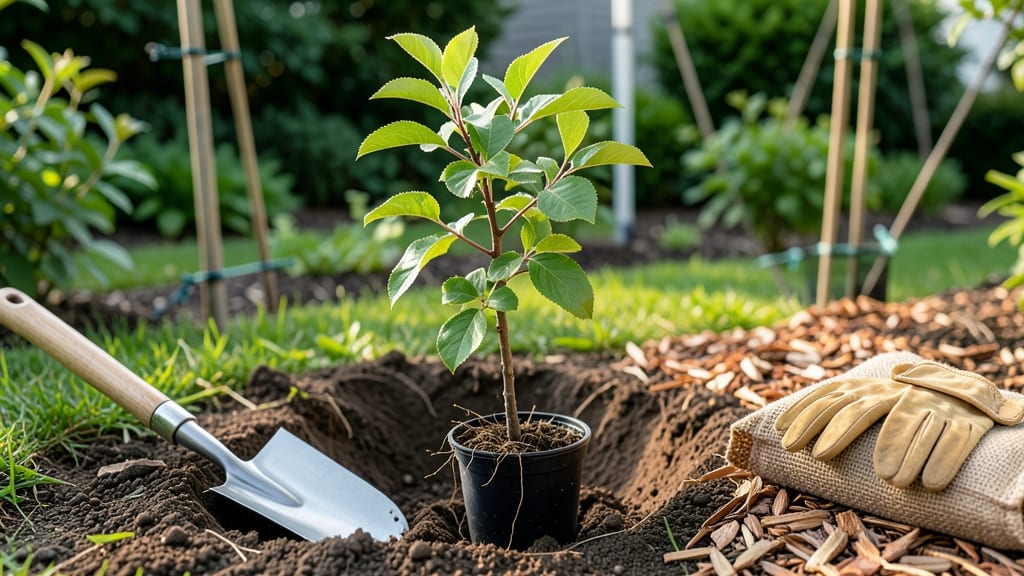
Timing is everything when it comes to planting an apple tree in Illinois—get it wrong, and your young 🍎 might not survive the first frost. The key to success lies in understanding your USDA Zone 5-6 climate and when to plant for maximum root establishment before summer heat sets in.
Most Illinois gardeners know spring is the ideal season, but the exact window matters more than you think. Planting too early risks frost damage, while waiting too long can stunt growth before winter dormancy.
I’ll break down the perfect late winter to early spring timing—including how chill hours affect your choice of varieties—and show you how to prepare your soil for long-term success.
Whether you’re working with bare-root saplings or container-grown trees, the right timing ensures stronger roots, better fruit production, and decades of harvests. Let’s dive into the science behind Illinois planting windows and how to give your apple tree the best possible start.
From avoiding late frosts to selecting the right variety for your chill-hour needs, this guide covers everything you need to know.
You’ll learn when to plant, how to protect young trees, and which apple varieties thrive best in Illinois’ 5-6 zones—so you can enjoy homegrown apples from August to October.
Best planting months in Illinois based on chill-hour Zones
Illinois spans USDA Zones 5-9, meaning the best time to plant apple trees varies by region. Northern Illinois (Zones 5-6) has 500-900 chill hours, while southern Illinois (Zones 7-9) sees 300-600 chill hours.
Choose apple varieties that match your local chill-hour range to ensure proper flowering and fruit production.
For northern Illinois (Zones 5-6), plant bare-root trees in late winter (February-March) or container-grown trees in early spring (April). This timing allows roots to establish before buds swell.
Southern Illinois (Zones 7-9) can plant until early May, but avoid late spring to prevent frost damage to new growth.
Most apple varieties need 500+ chill hours to produce fruit. Popular choices for Illinois include Honeycrisp (600+ hours), Fuji (600+ hours), and Gala (500+ hours). Check your local chill-hour data using the USDA Plant Hardiness Zone Map or your local cooperative extension service.
🌱 Did You Know? Illinois' chill-hour requirements can shift yearly due to climate changes. Always verify your local chill-hour data before selecting apple varieties.
| Zone | Chill Hours | Best Planting Window | Recommended Varieties |
|---|---|---|---|
| 5-6 (North) | 500-900 | Late winter (Feb-Mar) or early spring (Apr) | Honeycrisp, Fuji, Gala, Zestar! |
| 7 (Central) | 400-600 | Early spring (Mar-Apr) | Liberty, Enterprise, Jonagold |
| 8-9 (South) | 300-500 | Early spring (Apr-May) | Anna, Haralson, Dorsett Golden |
Bare-root trees are best planted in late winter or early spring before buds break. Container-grown trees offer more flexibility—plant them in early spring or early fall, but avoid planting in late fall or winter when roots can’t establish before freezing temperatures.
If you’re unsure about your local chill hours, consult the Illinois Extension Climate Smart Agriculture resources. They provide up-to-date data on chill accumulation and frost dates for your specific county. This ensures you pick apple varieties that will thrive in your microclimate.
For dwarf apple trees, which are popular for small yards or urban gardens, the same chill-hour rules apply. However, their smaller size makes them easier to plant and maintain in tight spaces. Just ensure they receive 6-8 hours of full sun daily for optimal growth.
Timing your planting correctly isn’t just about the calendar—it’s also about soil temperature. Wait until the ground is workable (around 40°F or warmer) to avoid compacting the soil or damaging young roots. Use a soil thermometer to check if you’re unsure.
Once planted, young apple trees need consistent moisture for the first 2-3 years to establish strong root systems. Mulch around the base with 3-4 inches of organic mulch to retain moisture and regulate soil temperature. Avoid piling mulch against the trunk to prevent rot.
🌿 Pro Tip: If you miss the ideal planting window, container-grown trees can sometimes be planted in early fall (September-October), but avoid planting after mid-October in most of Illinois to allow roots to establish before winter.
How to avoid frost damage when planting apple trees in Illinois
Illinois’ unpredictable spring frost can turn your new apple tree into a sad, frozen stump if you’re not careful. The key is planting at the right time—after the last average frost date in your area—but also preparing your tree to handle late freezes that still sneak in.
Most Illinois regions experience frost until mid-April, with northern areas like Chicago sometimes seeing frost until May 1. Always check the USDA Plant Hardiness Zone Map for your exact location.
Start by selecting frost-resistant apple varieties like Liberty or Enterprise, which handle cold snaps better than delicate varieties like Fuji. These varieties are bred to survive 20-30°F temperatures without damage, giving your young tree a fighting chance if late frost hits.
Planting in early April (for southern Illinois) or late April (for northern zones) minimizes risk while allowing roots to establish before summer heat arrives.
Use mulch as a shield. Apply a 4-inch layer of organic mulch (straw or wood chips) around the base of your tree immediately after planting. This insulates roots from temperature swings and retains moisture.
For extra protection, wrap the trunk in tree guard or burlap during the first winter to prevent sunscald and frost cracks.
Location matters just as much as timing. Plant your apple tree in a sheltered spot, like the south side of a fence or near a windbreak hedge. Cold air sinks, so avoid low-lying areas or valleys where frost pools.
If you’re in Zone 5 or colder, consider planting near a south-facing wall to absorb and radiate heat during nighttime freezes.
Monitor local forecasts in the weeks after planting. If a late frost warning appears, cover young trees with frost cloth or row covers at night. Avoid plastic sheets—they trap heat and can damage tender leaves.
For container-grown trees, move them to a protected garage or porch if frost is predicted within the first month after planting.
Finally, water deeply before the first hard frost hits. A well-watered tree is more resilient to cold snaps. Reduce watering in late fall to prevent root rot during winter dormancy, but keep soil slightly moist—never soggy.
With these steps, your apple tree will survive Illinois’ fickle spring and grow into a productive orchard for years to come. 🌱