
Plants
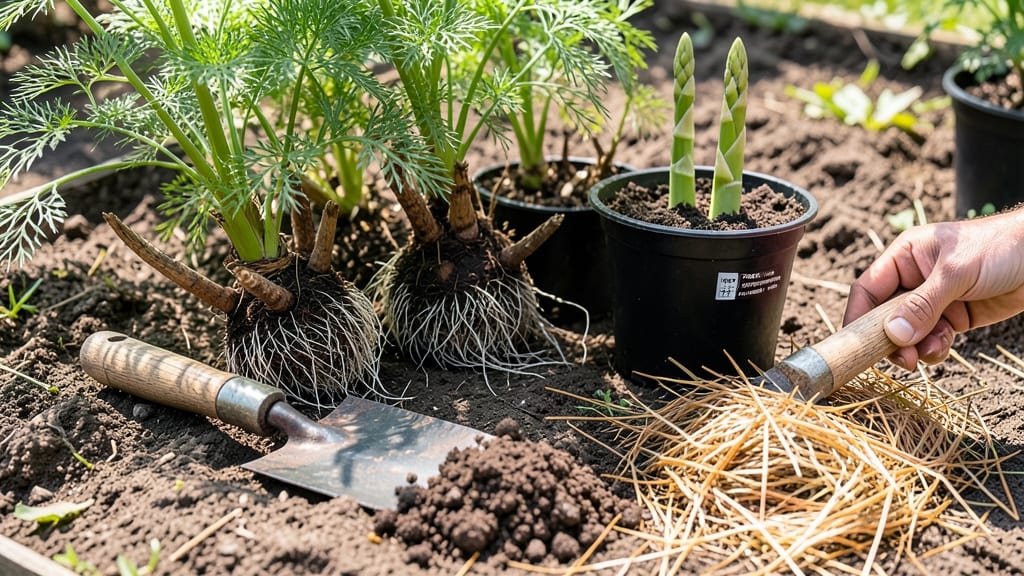
If you've ever dreamed of planting asparagus in Florida at the perfect time, timing is the game-changer that separates success from frustration. Planting too early risks bolting in the heat, while waiting too long means missing the sweet spot for root establishment.
The key lies in Florida's unique climate—where frost isn't a concern but humidity and sandy soil demand special attention.
For Florida gardeners in zones 9a-11, the ideal window opens in late winter to early spring, giving your asparagus crowns a head start before summer's intensity kicks in. This isn't just about months—it's about soil temperature, rainfall patterns, and even hurricane season prep.
Let me show you exactly how to align your planting with Florida's rhythm for faster root growth and bigger harvests.
You might think Florida's warm weather means asparagus grows year-round, but that's a common misconception. The real secret is planting when the soil warms to 60°F—typically February or March—while still having enough cooler days to prevent stress.
I'll walk you through the exact steps to prepare your soil, choose the right crowns, and protect your investment from Florida's quirks like sudden downpours or sandy soil drainage issues.
By the end, you'll know not just when to plant asparagus in Florida, but how to set it up for success—so you can enjoy fresh spears in spring 2025 without the guesswork. Let's get those roots growing strong before the heat hits!
Best planting months for asparagus in Florida’s heat zones
Florida’s frost-free winters and warm climate mean you can plant asparagus almost year-round—but timing still matters. The ideal window for planting asparagus crowns in Florida is late winter to early spring (January through March), when soil temperatures hover between 60°F and 70°F.
This period balances root establishment with avoiding summer’s intense heat, which can stress young plants.
Unlike northern states, Florida gardeners don’t need to wait for frost to pass. Since most of Florida falls under USDA Zones 8A-10A, you can start planting as soon as soil is workable.
However, Zone 9A (like North Florida) may experience rare light frosts, so planting in February or March gives your crowns a head start before summer’s peak heat arrives.
Here’s why timing matters: Asparagus crowns need 6-8 weeks to establish roots before summer’s heat kicks in. Planting in April or May risks heat stress and poor spear production, while planting in December may expose young plants to unpredictable rain or fungal issues.
The sweet spot is February to early March for most of Florida.
| Florida Heat Zone | Best Planting Window | Soil Temp Threshold | Seasonal Risks |
|---|---|---|---|
| Zone 8A (North FL) | February - Early March | 60°F - 70°F | Light frost risk, hurricane prep |
| Zone 9A (Central FL) | January - March | 65°F - 75°F | Summer heat stress, drought |
| Zones 9B-10A (South FL) | January - Early February | 70°F - 80°F | Humidity, fungal diseases |
🌱 Note: Adjust for sandy soil—it warms faster than clay.
If you miss the ideal window, don’t panic—you can still plant asparagus in late summer (August) for a fall harvest. However, this requires extra care: shade cloth during peak afternoons and consistent mulching to retain moisture.
Just know that spear production will be lighter in the first year compared to spring-planted crowns.
Florida’s hurricane season (June-November) also plays a role. Planting in March ensures your asparagus has 6 months to establish roots before storm season peaks. Avoid planting in May or June—young plants struggle to recover from high winds or flooding, and summer’s heat can cause crown rot.
Pro tip: Use soil thermometers to check depth (4 inches down). Aim for 65°F+ before planting. In sandy soils (common in Florida), soil warms faster—plant slightly earlier (January) to avoid overheating crowns. In clay-heavy areas, wait until March to let soil warm gradually.
Once planted, mulch heavily with 3-4 inches of pine straw or wood chips to insulate roots during Florida’s hot summers and cool winters. This keeps soil temps stable, encouraging strong root growth for years to come.
Remember, asparagus is a perennial—proper timing now means harvests for 15+ years. In Florida’s climate, patience pays off: First-year spears will be minimal, but by year 3, you’ll enjoy bountiful harvests with minimal effort.
For container growing in Florida, plant in February and use large pots (20+ gallons) with fast-draining mix. Containers heat up quicker, so water deeply daily during summer. Just don’t expect the same yield as in-ground plants—containers limit root spread.
Best planting months for asparagus in Florida’s heat zones
Florida’s frost-free climate gives asparagus a head start, but timing still matters to avoid heat stress and maximize root growth. Unlike northern climates, you won’t need to wait for spring frost to pass—just focus on soil temperatures between 60°F and 70°F, which signals ideal planting conditions.
In Zone 8A-10A, this typically aligns with late winter to early spring, but regional microclimates can shift your window by weeks.
For most of Florida, March is the sweet spot—cool enough for roots to establish without bolting prematurely.
However, northern Florida (Zone 8A) can plant as early as February if soil isn’t soggy, while southern Florida (Zone 10A) might extend planting into April to avoid summer’s intense heat. Hurricane season also plays a role: avoid planting in June or July, when storms can uproot young crowns.
🌱 Florida Asparagus Planting Timeline by Zone
| Zone | Ideal Planting Window | Soil Temp Threshold | Key Consideration |
|---|---|---|---|
| 8A (North FL) | Late February - Early March | 60°F+ | Avoid soggy soil; light frosts possible |
| 9A (Central FL) | March (peak) | 65°F+ | Balanced humidity; watch for drought |
| 10A (South FL) | March - Early April | 70°F+ | High heat risk after April; mulch heavily |
If you miss the primary window, don’t panic—fall planting (September-October) is a secondary option for Zone 8A, where cooler temps return. However, this method yields smaller crowns and delayed harvests. For Zone 9A-10A, fall planting is risky due to hurricane season and prolonged summer heat stress.
Always test soil temperature with a thermometer before planting; asparagus crowns rot in soils above 80°F.
Pro tip: Pre-sprout crowns in pots indoors 4-6 weeks before planting to jumpstart growth. This is especially useful for Zone 10A gardeners who want to plant in April.
Simply place crowns in moist peat moss at 70°F until roots emerge (about 2-3 weeks), then transplant. This reduces heat shock and speeds up establishment by 30%.
Once planted, protect young shoots from Florida’s intense afternoon sun with shade cloth (30-50%) for the first 2 weeks. This prevents leaf scorch while roots adapt. After that, let them bask in full sun—asparagus thrives with 8+ hours of sunlight daily, which Florida delivers year-round.
Remember: Patience is key—asparagus takes 2-3 years to reach full production, but proper timing now means bountiful harvests for decades. Start with 1-year-old crowns (not seeds) for faster results, and avoid planting in low-lying areas where water pools after rain.