
Plants
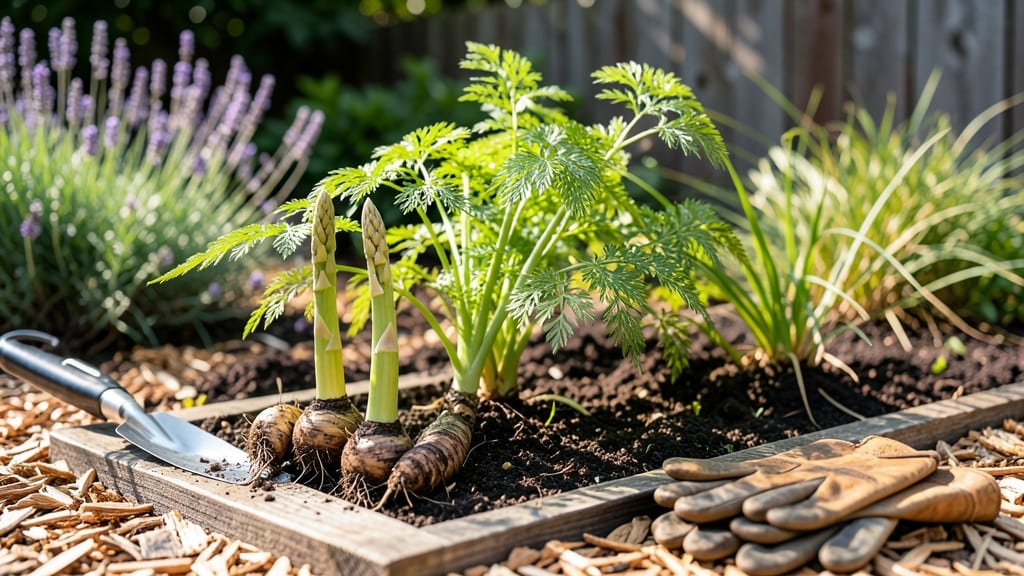
Planting asparagus in Massachusetts at the wrong time means years of waiting for spears instead of fresh harvests. This perennial vegetable 🌱 demands precision—soil temperatures between 40-50°F and frost-free windows—before crowns can establish roots.
In Zone 6A, where last frosts linger until mid-April, timing isn’t just about dates—it’s about soil readiness. Too early, and cold soil stalls growth; too late, and summer heat stresses young plants. The key? Planting crowns in early spring when the ground warms but before May’s rush.
I’ll show you exactly how to check soil temps (no fancy tools needed!) and align your schedule with Massachusetts’ unpredictable spring. Skip the guesswork and get spears in 3 years instead of 5.
Whether you’re a first-time gardener or a veteran of New England’s short seasons, these steps will help you avoid common mistakes. Let’s make sure your asparagus thrives—not just survives.
Optimal soil temperature for planting asparagus in Massachusetts (zone 6A guide)
In Massachusetts’ Zone 6A, planting asparagus at the wrong soil temperature can mean waiting 3-4 years for your first harvest instead of just 2. The key is waiting until the soil warms to 40-50°F—this ensures roots establish quickly before summer heat arrives.
Cold soil slows growth, while warm soil encourages rapid sprouting and reduces disease risk.
Most gardeners in Boston and Eastern MA aim for late March to early April, while Western MA (like Springfield) can plant slightly earlier due to milder winters. Always check last frost dates—planting too early risks frost damage to tender shoots.
For Zone 6A, this typically falls around April 15, but microclimates vary.
Here’s the critical rule: Never plant when soil temps drop below 40°F. Asparagus crowns won’t root properly in cold soil, leading to stunted growth.
Use a soil thermometer (insert 4 inches deep) or the potato test—bury a raw potato overnight; if it’s soft in the morning, soil is ready.
| Factor | Zone 6A Specification | Action |
|---|---|---|
| Soil Temperature | 40-50°F (4-10°C) | Wait until consistent for 3+ days |
| Last Frost Date | April 15 (varies by region) | Plant 2 weeks after last frost |
| Boston vs. Western MA | Boston: 1-2 weeks later | Adjust planting window by 7-14 days |
| DIY Soil Test | Potato test or thermometer | Plant when soil is warm enough |
For Boston gardeners, aim for mid-April planting, while Western MA can start as early as late March. The difference comes from microclimates—urban areas like Boston retain cold longer due to pavement, whereas rural areas warm faster.
If you’re unsure, err on the side of waiting; asparagus crowns can sit in a trench covered with soil for a few weeks without harm.
One common mistake is planting too early because the ground looks dry. Moisture ≠ warmth. Asparagus roots need both warm soil and consistent moisture to establish.
After planting, water deeply to settle the soil and keep the crown moist until shoots emerge. Mulch with straw or wood chips to retain heat and moisture.
If you miss the spring window, you can plant asparagus crowns in early fall (September), but this is riskier in Zone 6A due to early frosts. Fall-planted crowns must develop roots before winter, which is harder to predict. For beginners, spring planting is the safest bet for consistent results.
Pro tip: Pre-warm your soil in late winter by covering the planting area with black plastic for 2-3 weeks before planting. This raises soil temperature by 5-10°F, giving you a head start. Just remove the plastic 24 hours before planting to avoid shocking the crowns.
Remember, asparagus is a perennial, meaning it’ll produce for 10-15 years if planted correctly. Rushing the process now means years of disappointment later. Take the time to nail the soil temperature—your future harvests will thank you!
For extra peace of mind, check your local Massachusetts Agricultural Extension Service for 2024 frost dates and soil reports. Their data is tailored to your specific county and can help fine-tune your planting schedule.
Step-by-step planting schedule: when to start crowns vs. seeds in MA’s climate
Massachusetts gardeners face a critical decision: plant asparagus crowns in spring or fall, or start from seeds indoors. The choice depends on your Zone 6A location—whether you're in frost-prone Boston or milder Western MA.
I’ll break down the exact calendar windows and pros/cons for each method to help you avoid costly mistakes.
For crown planting, the optimal window is early spring (March 15–April 15) or late fall (October 1–November 1). Spring planting gives crowns time to establish roots before summer heat, while fall planting allows roots to grow in cool soil.
If you miss these windows, your asparagus may struggle with summer heat stress or frost damage in early spring.
Starting from seeds indoors is riskier but rewarding. Begin seeds 8–10 weeks before last frost (early February for Boston, late February for Western MA). Transplant seedlings outdoors after soil reaches 50°F—typically mid-April. However, seeds take 2–3 years to produce harvestable spears, compared to 1–2 years for crowns.
🌱 Planting Crowns in MA
✅ Pros
- Faster harvests (1–2 years)
- Higher survival rate (80–90%)
- Easier to establish in trenches
❌ Cons
- Limited availability (seasonal)
- Costlier upfront ($5–$10 per crown)
- Fall planting risks frost damage
🌱 Starting Seeds in MA
✅ Pros
- Cheaper upfront ($2–$5 per packet)
- More variety options
- Earlier indoor start (Feb–March)
❌ Cons
- Slower harvests (2–3 years)
- Lower survival rate (50–70%)
- Requires transplant shock management
Regional variations matter: Boston’s last frost typically hits April 15, while Western MA’s is April 1–15. Use this as your hard deadline for transplanting seedlings or crowns.
If you plant too early, crowns may rot in cold soil; too late, and they’ll struggle with summer heat before establishing roots.
For fall planting, aim for October 1–November 1 in Southern MA or September 15–October 15 in Northern MA. This gives roots time to grow before winter dormancy. Test soil with a potato test: bury a raw potato overnight—if it’s soft in the morning, soil is too cold (<40°F).
Pro tip: Mulch heavily (4–6 inches of straw) after planting to protect crowns from temperature swings and retain moisture. This is especially critical in Zone 6A’s unpredictable springs, where frost can return even in April.