
Plants
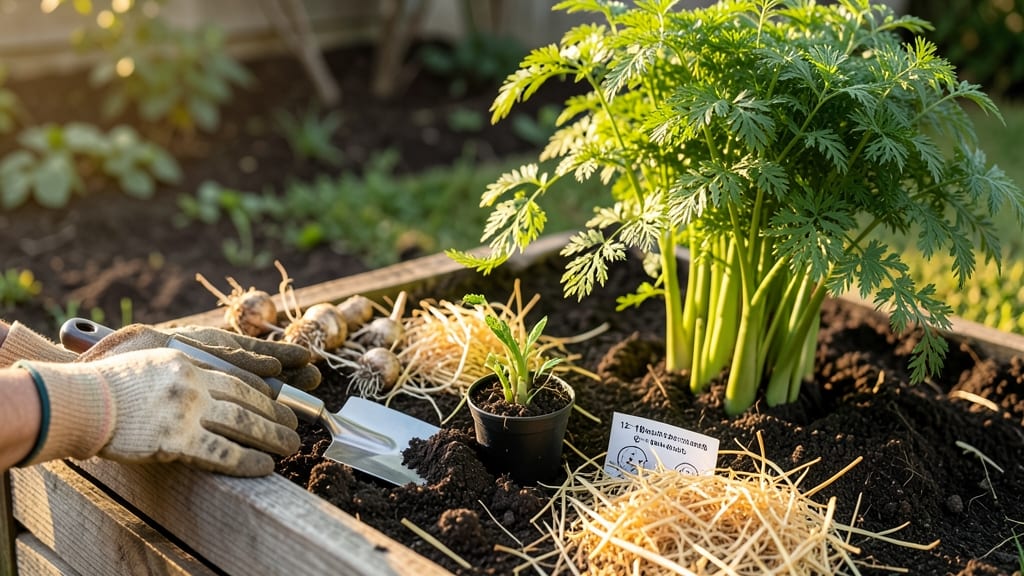
Timing is everything when it comes to growing asparagus in Zone 6, and planting too early or late can mean the difference between a thriving patch and years of disappointment.
If you've ever struggled with slow-growing crowns or missed harvests, the key lies in understanding your local frost patterns and soil temperatures.
For Zone 6 gardeners, early spring—specifically March to April—is your best window to plant asparagus crowns. This timing gives roots time to establish before summer heat arrives, while avoiding the risk of late frost damage that can set back growth.
The goal? Get those crowns snug in 40-50°F soil before winter dormancy kicks in.
I’ve learned the hard way that rushing the process leads to stunted plants, but waiting too long delays that first harvest by years.
What I’ll share next are the exact steps to accelerate crown development, from soil prep to frost protection, so you can enjoy fresh asparagus spears in just 2-3 seasons—not the usual 3-4.
Ready to skip the guesswork? Let’s break down the cold-hardy timeline that’s worked for me in Zone 6, including when to mulch, how deep to plant, and what to watch for in those critical first few weeks. Your future harvest depends on it.
Optimal planting windows for asparagus in Zone 6 (with frost risk breakdown)
In Zone 6, timing your asparagus planting is everything—plant too early, and frost will damage tender crowns; wait too late, and your harvest gets delayed by years. The ideal window is when soil temperatures reach 40-50°F (about 2-4 weeks before last frost).
For most of Zone 6, this means early spring (March-April) or late summer (August-September) for fall planting.
Zone 6’s last frost date typically falls around April 15, but this varies by microclimate. Check your local USDA frost map or use a frost calculator to pinpoint your exact date.
Planting 1-year-old crowns 4-6 weeks before the last frost gives roots time to establish before summer heat arrives.
Why spring planting is preferred: Crowns need 60-90 days of warm soil to develop strong roots before winter dormancy.
Fall planting is riskier in Zone 6 due to early frosts, but if you choose this route, aim for August-September with 4-6 weeks before the first frost to allow root growth.
Here’s the critical frost risk breakdown for Zone 6 asparagus growers:
| Planting Window | Soil Temp Threshold | Frost Risk | Root Establishment Time |
|---|---|---|---|
| Early Spring (March-April) | 40-50°F | Low (post-frost) | 60-90 days |
| Late Summer (August-September) | 50-60°F | Moderate (early frost) | 45-60 days |
| Too Early (February) | Below 40°F | High (frost damage) | Delayed growth |
| Too Late (May) | Above 60°F | None | Slower (heat stress) |
For Zone 6a (colder microclimates), prioritize spring planting after April 1. In Zone 6b (warmer), you can start as early as late March. Always test soil temperature with a soil thermometer—asparagus crowns won’t thrive until the ground warms to 50°F consistently.
Pro tip: Use black plastic mulch in early spring to warm soil faster. This lets you plant 2-3 weeks earlier than without it. Just remove it once spears emerge to prevent overheating.
If you’re planting in fall, choose August for Zone 6a or early September for Zone 6b. This gives roots time to establish before the ground freezes. Water deeply after planting to encourage root growth before dormancy.
Remember: Crowns planted in spring will produce spears in Year 2, while fall-planted crowns may take Year 3 due to slower initial growth. Plan accordingly for your harvest timeline!
🌱
How to accelerate asparagus crown establishment in cold climates (Zone 6-Specific tips)
Zone 6’s short growing season means asparagus crowns need extra care to establish strong roots before winter. The key is preparing your soil 3-4 weeks before planting—this gives microbes time to break down organic matter.
Aim for a pH of 6.5-7.5 and mix in 3-4 inches of compost to improve drainage and fertility.
For faster root growth, plant 1-year-old crowns (not seeds) in early spring when soil temps reach 40-50°F. Dig trenches 6-8 inches deep and space crowns 12-18 inches apart—this mimics their natural growth habit and prevents overcrowding as they mature.
🌱 Zone 6 Asparagus Establishment Timeline
- March: Plant crowns in trenches with compost-rich soil
- April: Mulch with 3-4 inches of straw to retain moisture
- May-June: Water deeply weekly (1-2 inches per week)
- July-August: Avoid harvesting—let foliage feed roots
- September: Add winter mulch (6+ inches of straw)
⏰ First harvest possible in Year 3 if conditions are ideal
Mulching is non-negotiable in Zone 6. Use straw (not wood chips) because it breaks down slowly and insulates roots during winter. Apply 3-4 inches right after planting, then top up to 6+ inches before the first frost.
This protects crowns from freeze-thaw cycles that can heave them out of the soil.
Watering in the first year is critical—deep soak weekly (1-2 inches of water) to encourage deep root growth. Avoid overhead watering to prevent fungal diseases like rust, which thrives in damp foliage. Instead, use drip irrigation or water at the base of plants in the morning.
Skip heavy fertilization the first year—too much nitrogen leads to lush foliage but weak roots. Instead, use a balanced 5-10-10 fertilizer in early spring (March) at ¼ cup per plant.
In Year 2, you can increase to ½ cup per 10 sq ft in spring and a light application after harvest to replenish nutrients.
Patience pays off: With these Zone 6-specific tips, your asparagus patch will be ready for a full harvest in Year 3 instead of Year 4. The secret? Preparing the soil, protecting roots, and avoiding common mistakes that stall growth in cold climates.