
Plants
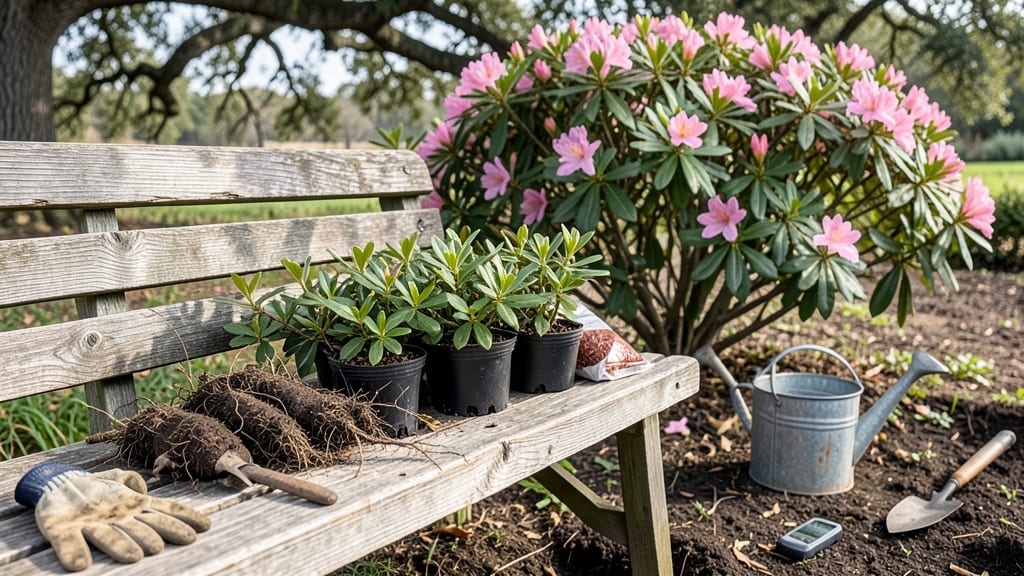
Planting azaleas at the wrong time in Oklahoma could mean the difference between stunning spring blooms and struggling shrubs that never quite thrive. The 6b-7a climate here demands precision—too early, and frost will damage tender roots; too late, and your 🌸 may not establish properly before summer heat sets in.
I’ve spent years watching azaleas take root in Oklahoma gardens, and the fall window (October-November) consistently delivers the best results. This gives roots time to settle before winter dormancy, while early spring planting (March) offers a second chance if you missed the fall deadline.
But here’s the catch: your exact timing depends on where in Oklahoma you live. Eastern areas like Tulsa have milder winters, while western regions near Amarillo face earlier frosts. We’ll break down the microclimate-specific deadlines so you can plant with confidence and enjoy those vibrant blooms year after year.
Ready to transform your yard? Let’s dive into the science behind Oklahoma’s azalea planting calendar—because getting it right means healthier plants and more spectacular spring displays for seasons to come.
Oklahoma azalea planting deadlines by microclimate Zone
Oklahoma’s diverse USDA zones (6b-8a) create unique challenges for azalea planting. In the humid east (Tulsa, Oklahoma City), fall planting is ideal, while the drier west (Amarillo, Altus) benefits from slightly later windows. Understanding these microclimates ensures your azaleas establish roots before winter’s chill sets in.
Fall planting (October-November) gives azaleas 6-8 weeks to root before frost. In Zone 7a (Oklahoma City), aim for October 1-15—after soil temps drop below 80°F but before first frost (Nov 15).
For Zone 6b (Altus), extend your window to September 15-October 31 to account for earlier frosts.
Spring planting (March-April) is riskier but works if fall planting misses the window. In Zone 8a (Tulsa), plant by March 15 to avoid summer drought stress.
Always wait until soil temps reach 60°F—use a soil thermometer to confirm. For Zone 6b, delay until April 1 to prevent frost damage.
Key factor: Soil temperature matters more than air temperature. Azalea roots need 55-65°F soil to establish. In Oklahoma’s semi-arid west, mulch heavily (3-4 inches) to retain moisture and regulate soil temps.
Regional adjustments:
- Eastern OK (Tulsa, Muskogee): Prioritize acidic soil amendments—these areas have higher pH naturally.
- Central OK (Norman, Lawton): Watch for late spring frosts—plant dwarf varieties first for safety.
- Western OK (Amarillo, Altus): Water deeply at planting to combat dry winds.
For container-grown azaleas, adjust timing by 2-3 weeks earlier—they establish faster. In Zone 6b, plant bare-root azaleas in November for winter protection. Always water deeply after planting to eliminate air pockets in the soil.
Pro tip: Use a planting calendar from your local Cooperative Extension office (e.g., OSU Extension) for hyper-localized advice. They track first frost dates and soil conditions annually—critical for Oklahoma’s variable climate.
Missed the fall window? Don’t panic. Early spring (March) is your second chance, but avoid planting after April 15—new growth won’t harden off before summer heat. For Zone 7a/8a, extend to April 30 with drip irrigation support.
Remember: Azaleas thrive with partial shade and acidic soil (pH 4.5-6.0). Test your soil before planting—Oklahoma’s calcareous soils often need sulfur amendments or pine bark mulch to lower pH. 🌸
Signs your Oklahoma azalea planting timing is perfect (or wrong)
Timing your azalea planting in Oklahoma isn’t just about checking a calendar—it’s about reading your soil, temperature, and even your plant’s leaves. The right conditions ensure strong root growth, while the wrong timing can leave your azaleas struggling or vulnerable to frost damage.
Here’s how to tell if you’re planting at the perfect moment—or if you’ve missed the window.
One of the clearest signs of perfect timing is soil temperature. Ideal planting occurs when soil temps hover between 60-70°F—warm enough for roots to establish but cool enough to avoid heat stress. Use a soil thermometer to check; if it’s above 75°F, wait for cooler evenings.
In Oklahoma, this usually aligns with October or early November in most zones, but eastern Oklahoma (like Tulsa) may extend into December.
🌱Pro Tip: If you’re planting in spring, aim for late February to March—after the last frost but before soil heats up. A good rule of thumb is to plant when daytime highs are consistently above 50°F but nights still dip below 60°F.
This balance gives roots time to grow before summer’s intensity.
⚠️ Warning: Common Planting Mistakes in Oklahoma
Planting too early (before September 15) risks frost damage—young roots can’t survive Oklahoma’s unpredictable cold snaps, especially in western regions like Altus (Zone 7a).
Planting too late (after November 30) delays root establishment, leaving azaleas weak for winter dormancy. In eastern Oklahoma, this window narrows to October 15-November 15 due to earlier frosts.
Ignoring soil moisture is another pitfall. Azaleas need consistently moist (not soggy) soil. If your soil feels dry 2 inches deep when planting, water deeply before and after transplanting to reduce shock.
Your azalea’s leaves also speak volumes. Healthy plants for transplanting have firm, vibrant foliage—no yellowing or wilting. If leaves are drooping or brown at the edges, the plant may be stressed from heat or drought, making it less likely to thrive.
Avoid planting azaleas that look underwatered or overcrowded in their nursery pots.
Pay attention to local weather forecasts, too. A 10-day outlook predicting freezing temps after your planting date? Hold off. In central Oklahoma (like Oklahoma City), this often means waiting until after October 20 to avoid early frost.
Use the National Weather Service or Oklahoma Mesonet for real-time updates on frost risk in your area.
Finally, consider mulching as your final check. After planting, apply 2-3 inches of mulch (like pine straw or shredded bark) to retain moisture and regulate soil temperature. This step is critical in Oklahoma’s variable climate, where daytime heat can dry out roots quickly.
Mulch also signals to your azalea that it’s time to settle in—a key visual cue for healthy growth.
By combining these visual and environmental clues, you’ll know exactly when your Oklahoma azaleas are ready to thrive—or when to adjust your timeline. Timing isn’t just about the calendar; it’s about listening to your garden. 🌿