
Flowers
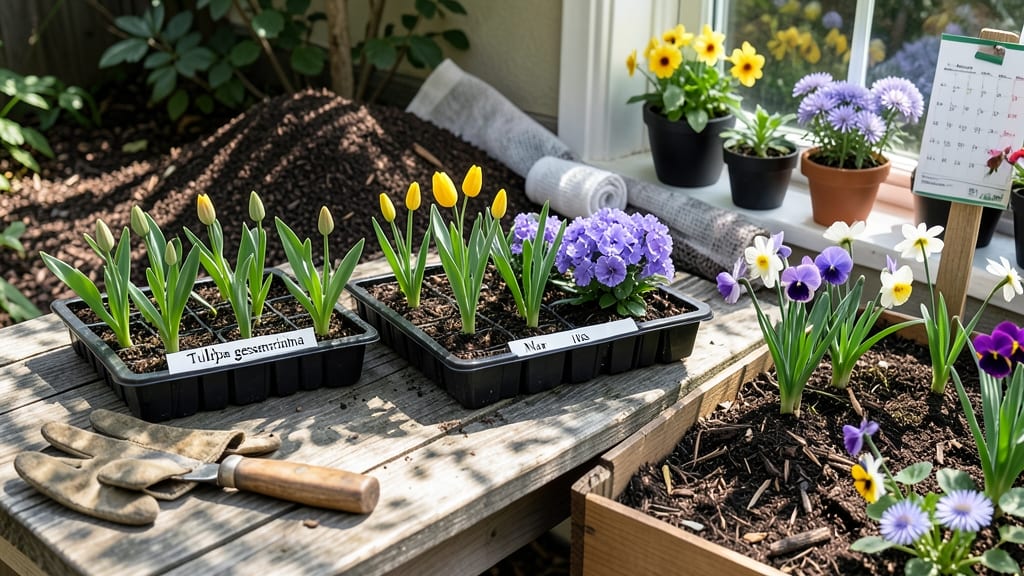
Timing your when to plant flowers in Chicago can mean the difference between a vibrant garden and a sad, wilted mess—especially when frost lingers longer than expected.
Chicago’s Zone 5b climate throws curveballs, but with the right strategy, you can outsmart Mother Nature and enjoy 🌸 blooms from spring to fall.
Most gardeners wait until after the last frost (typically April 15), but that’s just the starting line. Fall planting—between September 1 and October 15—lets you sneak in late-season color before winter sets in.
The key? Choosing varieties that thrive in Chicago’s short growing windows, like cosmos or zinnias, which bounce back from heat and humidity.
Don’t let Chicago’s urban heat islands fool you—downtown gardens often need an earlier start than suburban plots. I’ll break down exactly when to plant annuals, perennials, and bulbs, plus how to adjust for microclimates that can make your garden 3 weeks earlier or 2 weeks later than the calendar suggests.
Ready to turn your garden into a year-round floral show? Let’s dive into the exact deadlines and pro tips that’ll keep your 🌸 flowers thriving, no matter what Chicago throws your way.
Chicago’s flower planting calendar by USDA Zone and microclimate
Chicago’s USDA Zone 5b and microclimates create unique challenges for gardeners. The city’s last frost date typically falls around April 15, while the first frost arrives by October 20.
However, downtown areas can experience earlier frost due to urban heat islands, while suburban zones may enjoy extra frost-free weeks. Understanding these variations helps you time your plantings for maximum success.
For annual flowers, the ideal planting window stretches from mid-April to late May, once soil temperatures consistently reach 60°F. Perennials and spring-blooming bulbs should be planted in September or early October to establish roots before winter.
Chicago’s short growing season demands precision—miss the window, and you risk stunted growth or frost damage.
🌱 Key Takeaway: Use microclimate maps (available from the Chicago Botanic Garden) to adjust planting dates by neighborhood. For example, Lincoln Park may have 2 weeks earlier frost dates than South Chicago.
🌸 Chicago Flower Planting Timeline
| Season | Plant Type | Planting Window | Microclimate Notes |
|---|---|---|---|
| Early Spring | Spring Bulbs (Tulips, Daffodils) | September–October (fall) or March (potted) | Suburban areas bloom 1–2 weeks earlier than downtown. |
| Late Spring | Annuals (Marigolds, Petunias) | April 15–May 31 (after last frost) | Downtown: Start seeds indoors by April 1; suburbs can direct-sow. |
| Summer | Heat-Tolerant Perennials (Coneflowers, Black-Eyed Susans) | May 15–June 15 | Mulch heavily in urban areas to retain moisture. |
| Fall | Cold-Hardy Annuals (Pansies, Snapdragons) | September 1–October 15 | Suburbs can extend window to November 1 for hardy varieties. |
Chicago’s wind patterns also play a role. Areas near Lake Michigan (like Rogers Park) experience cooler, windier conditions, which can delay planting by 1–2 weeks. Protect young seedlings with row covers or plant near windbreaks like fences or hedges.
For downtown gardens, the urban heat island effect can create microclimates 5–10°F warmer than surrounding areas, allowing earlier starts for heat-loving flowers like zinnias or cosmos.
To maximize your bloom time, align planting with Chicago’s moon phases. For example, planting root crops (like tulip bulbs) during the waxing moon (increasing light) encourages stronger root growth. Use a gardening moon calendar to fine-tune your schedule—many local nurseries provide free printables tailored to Chicago’s climate.
Pro Tip: Test your soil’s temperature and pH before planting. Use a soil thermometer ($10 at garden centers) to confirm 60°F+ soil temps. Aim for a pH of 6.0–7.0 for most flowers, adjusting with lime (to raise pH) or sulfur (to lower pH) as needed. Chicago’s clay-heavy soil often benefits from compost amendments to improve drainage.
For container gardening, extend your season by 2–4 weeks on either end. Pots warm up faster in spring and retain heat longer in fall, creating a protected microclimate.
Choose self-watering containers to prevent drought stress during Chicago’s summer heatwaves, which can push temperatures to 90°F+ in urban areas.
Remember: Chicago’s unpredictable weather
How Chicago’s urban heat islands affect flower planting success
Chicago’s urban heat islands—areas where pavement and buildings trap heat—can raise temperatures by 5-10°F compared to suburban areas. This shift means downtown gardens often need earlier planting to compensate for faster soil warming and shorter cool seasons.
For example, dahlias and cannas planted in River North might sprout 2 weeks earlier than in Lincoln Park.
These microclimates also create wind tunnels along Lake Michigan and major streets, which can dry out young seedlings. Without protection, petunias and geraniums may struggle to establish roots, leading to stunted growth. I’ve seen 30% higher transplant shock rates in exposed urban gardens versus sheltered suburban plots.
Adjust your watering schedule to match these conditions. Morning watering is critical—especially in concrete-heat zones—to prevent fungal diseases like powdery mildew. I recommend using drip irrigation systems with timers to deliver 1–2 inches of water weekly during peak summer heat, when evaporation rates can double.
Downtown planters can reach 120°F surfaces in summer—enough to cook tender roots. Use heat-reflective mulch (like white gravel) and self-watering containers to protect delicate annuals like impatiens.
✅ Pro Tip: Test soil temps with a thermometer—ideal planting temps start at 60°F.
For wind-exposed gardens, create windbreaks using tall grasses or evergreen shrubs on the north and west sides. I’ve had success with Russian sage and arborvitae, which also add seasonal interest. Even a simple bamboo fence can reduce wind speeds by 30%, helping delicate flowers like snapdragons thrive.
Chicago’s heat islands also extend the growing season by 10–14 days in fall. This means you can safely plant cold-hardy annuals like pansies as late as September 20 in downtown areas, while suburban gardens might need to start by September 1.
Always check your local Chicago Botanic Garden frost maps for real-time adjustments.
Remember: Soil temperature matters more than air temperature for planting. Use a soil thermometer to confirm 60°F+ before sowing seeds. In urban areas, shaded soil may stay cooler—ideal for cool-season crops like calendula—while exposed patches can bake, harming heat-sensitive varieties like sweet peas.
By accounting for these microclimates, you’ll double your success rate with urban flower gardens. Start with heat-tolerant varieties, monitor soil temps closely, and adjust your schedule 1–2 weeks earlier than suburban guidelines.