
Plants
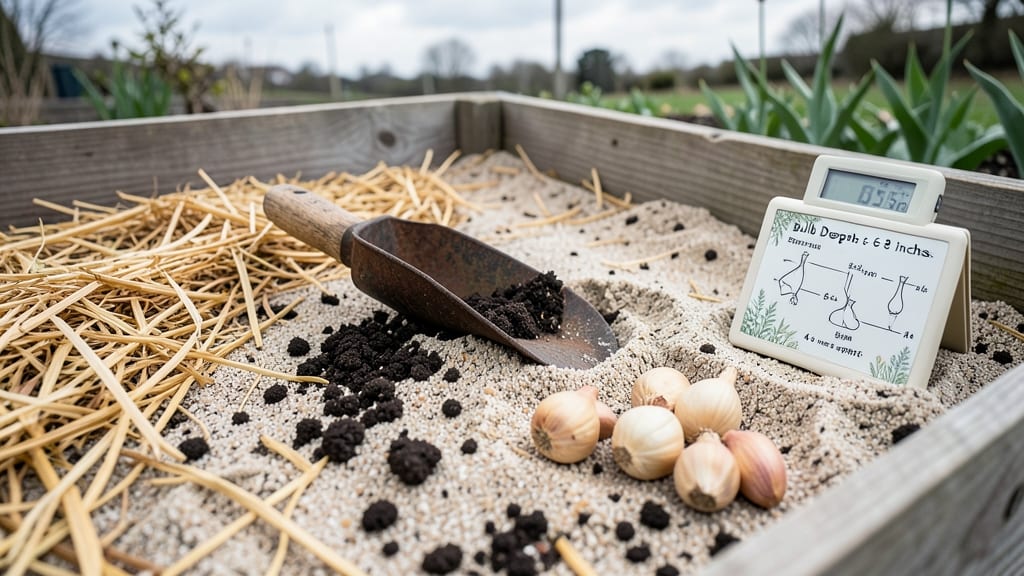
Planting tulip bulbs in Texas might seem tricky with our unpredictable winters, but timing is everything for those stunning 🌷 blooms next spring. The key? Getting them in the ground 4-6 weeks before the first hard freeze, usually between October and December.
Why the rush? Texas winters can be mild in some areas while others face sudden freezes, and tulips need that chill period to thrive.
I’ll show you exactly how to adjust for your specific zone—whether you’re in North Texas’s cooler 8a or Central Texas’s warmer 9a-10b—so your bulbs don’t rot or sprout too early.
Beyond timing, we’ll cover soil prep, bulb selection, and mulching tricks to protect your investment from late freezes. Skip the guesswork and follow these steps to ensure your tulips burst into color in April-May, no matter where you garden in the Lone Star State.
Ready to transform your fall planting into a spring spectacle? Let’s dive into the exact methods that work for Texas gardens—no flukes, just reliable blooms.
Best late fall planting window for Texas tulip bulbs
Timing is everything when planting tulip bulbs in Texas, where winter freezes can be as unpredictable as summer heatwaves. To ensure your bulbs establish roots before the ground freezes, aim to plant between early October and mid-December.
This 4-6 week window before the first hard freeze (typically November 1–December 15) gives roots time to anchor while protecting bulbs from early sprouting or freeze damage.
Texas spans multiple USDA hardiness zones (8a–10b), so adjust your timeline based on your region. In North Texas (Zones 8a–8b), where winters are colder, plant by mid-November to avoid early freezes.
For Central and South Texas (Zones 9a–10b), where mild winters are common, you can extend planting until early December—but always check your local frost dates.
Soil temperature is your best guide: bulbs should go into 50–60°F soil to root properly. Use a soil thermometer to monitor conditions. If temperatures drop below 50°F before planting, wait until conditions stabilize or use mulch to insulate the soil afterward.
Missed the fall window? Don’t panic! You can plant tulips in January for a late-season bloom, though results may be less robust. The key is ensuring bulbs receive 6–8 weeks of cold dormancy before spring growth begins.
| Region | Ideal Planting Window | Soil Temp Threshold | Key Consideration |
|---|---|---|---|
| North Texas (Zones 8a–8b) | October 15–November 15 | 50–55°F | Earlier freezes; prioritize root establishment |
| Central Texas (Zones 8b–9a) | October 30–December 1 | 55–60°F | Variable winters; monitor frost dates |
| South Texas (Zones 9b–10b) | November 15–December 15 | 60°F+ | Milder winters; extend window with mulch |
| All Regions (Late Option) | January (for late blooms) | 50°F+ | Less reliable; requires careful watering |
Texas’s clay-heavy soils can pose challenges for tulip bulbs, which prefer well-draining soil. Amend your garden bed with compost or sand to improve drainage before planting. If your soil stays soggy after rain, consider planting in raised beds or on a slight slope to prevent bulb rot.
After planting, apply a 2–3 inch layer of mulch (straw or shredded leaves work well) to insulate bulbs from temperature swings. This is especially critical in North Texas, where sudden freezes can damage emerging shoots. Remove mulch in early spring once new growth appears to prevent moisture buildup.
Pro tip: Mark your planting spots with biodegradable flags or a garden map. Texas’s erratic weather can make it easy to forget where bulbs are planted, and digging them up accidentally can stunt growth.
Remember, tulips need 6–8 weeks of cold dormancy to bloom reliably. If you’re in a warmer microclimate (like urban areas with heat islands), your bulbs may need an extra 4–6 weeks of chilling—either naturally or via refrigeration before planting.
By planting in this late fall window and preparing your soil properly, you’ll give your tulips the best chance to thrive—and reward yourself with vibrant spring blooms despite Texas’s unpredictable climate. 🌷
Best late fall planting window for Texas tulip bulbs
Timing is everything when planting tulip bulbs in Texas. Unlike cooler climates, Texas gardeners must work around unpredictable freezes and hot summers. The ideal window is 4-6 weeks before the first hard freeze, typically between November 1 and December 15.
This gives bulbs time to root before winter sets in.
North Texas (USDA Zones 7b-8a) usually experiences colder winters, so aim for early November planting. Central and South Texas (Zones 8b-10a) can plant later, often into mid-December, since milder winters reduce freeze risks. Always check your local frost dates for accuracy.
Soil temperature is another critical factor. Tulip bulbs need soil that’s 50–60°F at planting time. Use a soil thermometer to confirm—cold soil can stunt root growth, while warm soil may encourage early sprouting, which can be damaged by late freezes.
🌱 Texas Tulip Planting Timeline
| Region | Ideal Planting Window | Soil Temp Threshold | Key Consideration |
|---|---|---|---|
| North Texas (Zones 7b-8a) | November 1–15 | 50–60°F | Earlier freezes; mulch heavily |
| Central Texas (Zones 8a-8b) | November 15–December 1 | 55–60°F | Variable winters; monitor forecasts |
| South Texas (Zones 9a-10a) | December 1–15 | 60–65°F | Milder winters; later planting possible |
If you miss the fall window, January planting is a second chance—though blooms may be smaller or delayed. Avoid planting in late winter or spring, as tulips need a cooling period to flower properly. Texas’s summer heat can also stress bulbs, so prioritize fall planting for the best results.
Pro tip: Use black plastic mulch in early fall to warm the soil and extend your planting window by 1–2 weeks. This is especially helpful in North Texas, where winters arrive earlier. Just remove the mulch after planting to prevent overheating.
Finally, don’t let Texas clay soil deter you. Amend it with compost or sand to improve drainage—tulips hate soggy roots. With the right timing and soil prep, you’ll enjoy bold tulip blooms next spring, even in the Lone Star State! 🌷