
Plants
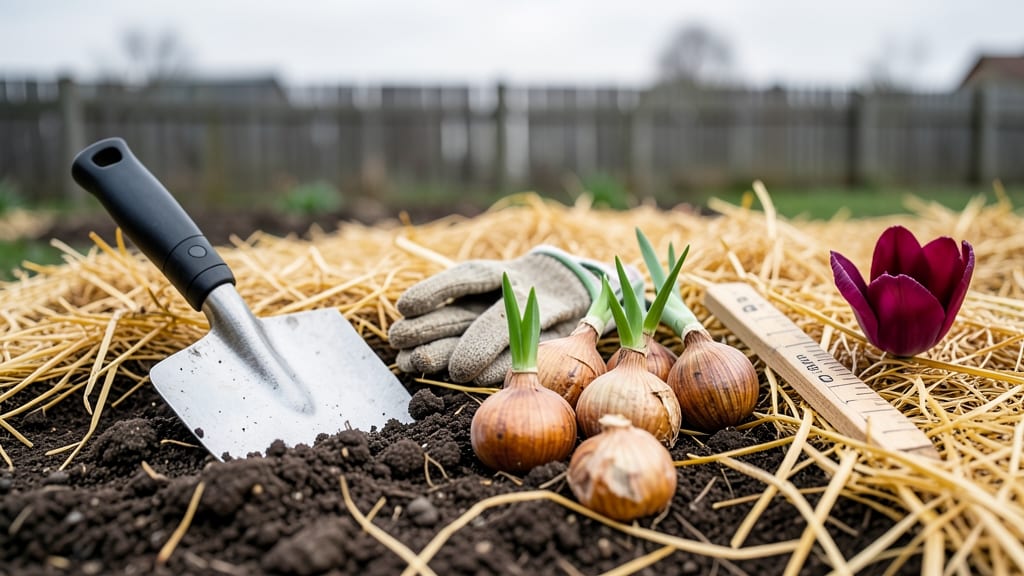
If you’ve ever dreamed of waking up to a North Carolina garden bursting with 🌷 tulips, timing is the secret ingredient—plant too soon, and your bulbs rot; too late, and they’ll miss the chill they need to bloom.
The perfect window for planting tulips in NC’s USDA Zones 6b-8a isn’t just about months—it’s about soil temperature, frost dates, and even your local microclimate.
Most gardeners know fall is the time, but in North Carolina, where Piedmont’s cooler nights meet the Coastal Plain’s milder winters, your exact planting schedule could shift by weeks.
Whether you’re in the mountains or near the coast, we’ll break down the ideal October-December timeline—plus how to adjust for late freezes or early springs.
You’ll also discover the 3 critical factors that determine success: soil prep, bulb depth, and post-planting care. Skip these, and even the best bulbs won’t thrive. Let’s get your tulips in the ground the right way, so you’re rewarded with vibrant blooms by April.
Ready to turn your yard into a springtime showstopper? Grab your gloves—we’re diving into the exact steps to plant tulips in NC’s climate, from soil to first frost. Your future self (and your neighbors) will thank you.
North Carolina tulip planting calendar by USDA Zone (6-8)
North Carolina’s USDA Zones 6-8 offer perfect conditions for tulips, but the optimal planting window shifts across the state. In Zone 6b (mountains), plant by mid-October to avoid early frosts, while Zone 8a (coastal areas) can extend planting until early December.
The key is planting when soil temps hit 50-60°F—ideal for bulb root growth before dormancy.
Microclimates matter! Urban areas like Raleigh (Zone 7b) may need 2-3 weeks earlier planting than rural farms due to urban heat islands. Always check your local first frost date—aim to plant 4-6 weeks before ground freezes to allow roots to establish.
Here’s your zone-by-zone breakdown for NC, including soil temp targets and frost risk factors:
For Zone 6b gardeners, October 15 is your deadline—plant after that, and bulbs may rot before winter. In Zone 8a, you can push planting to December 1, but avoid planting after the first frost, even if soil is workable.
Use a soil thermometer ($10 at garden centers) to confirm temps before planting.
Pro tip: If your soil stays above 60°F in November, opt for late-blooming tulip varieties like ‘Darwin Hybrid’ or ‘Fosteriana’—they tolerate warmer soils better than early bloomers. These varieties also handle NC’s humid winters with less rot risk.
Don’t overlook bulb freshness—plant only firm, dry bulbs labeled for your zone. Avoid bulbs with soft spots or mold, which signal storage issues. Store extras in a cool, dark place (like a garage) until planting day.
In heavy clay soils (common in the Coastal Plain), amend beds with compost or sand to improve drainage. Poor drainage is the #1 reason tulips fail in NC—water should drain within 24 hours after heavy rains.
Test your soil’s drainage by digging a 12-inch hole and filling it with water; if it doesn’t drain in 6 hours, amend the soil.
Finally, mark your planting spots with biodegradable flags—NC’s wildlife activity (raccoons, deer) can unearth bulbs if unmarked. For high-risk areas, use chicken wire cages until spring growth appears.
With these zone-specific dates and prep tips, your NC tulips will bloom reliably year after year—just time your planting right! 🌷
5 Critical factors that determine your perfect tulip planting time
Timing your tulip planting in North Carolina isn’t just about checking a calendar—it’s about understanding your local microclimate, soil temperature, and bulb freshness. These five factors can shift your ideal planting window by weeks, especially when comparing Coastal Plain (Zone 8a) to the Mountains (Zone 6b).
Let’s break down what truly matters beyond the month.
First, soil temperature is the #1 predictor. Tulip bulbs need 40-50°F soil for root growth but won’t survive freezing. In Raleigh (Zone 7b), soil hits this sweet spot in mid-October, while Asheville (Zone 6b) waits until late October.
Use a soil thermometer ($10 at garden centers) to confirm—don’t guess!
🌱 Numbered Highlights: What Really Matters for NC Tulips
- Soil Temperature: 40-50°F triggers root growth; colder = dormancy.
- Frost Dates: Plant 4-6 weeks before first frost (NC avg: Nov 15).
- Bulb Freshness: Newer bulbs (2023) need 6-8 weeks of cold; older bulbs (2021) need 10-12 weeks.
- Microclimates: Urban areas stay 5°F warmer than rural zones—adjust timing accordingly.
- Moisture Levels: Plant in well-draining soil; soggy soil = rot. Coastal Plain soils need amending.
Next, frost dates aren’t just about avoiding freezing—they’re about giving bulbs time to establish roots. In Zone 6b (e.g., Boone), aim for planting by October 15 to ensure roots form before ground freezes.
In Zone 8a (e.g., Wilmington), you’ve got until December 1, but bulbs planted after November 15 may need winter mulch protection.
Don’t overlook bulb freshness. A 2023-packaged bulb (just dug this year) needs only 6-8 weeks of cold to bloom, while a 2021 bulb (two years old) may require 10-12 weeks.
Check the packaging date—older bulbs planted in October might not flower until next year. For reliable spring blooms, prioritize bulbs labeled “2023” or newer.
Local microclimates can create a 5°F difference between your backyard and a neighbor’s. Urban areas (like Charlotte) often stay warmer due to heat islands, while rural farms in the Piedmont cool faster. If your yard is near pavement or buildings, plant 2 weeks earlier than the zone average. Conversely, shaded or windy spots may need a 1-week delay.
Finally, soil moisture at planting time makes or breaks success. Tulips hate soggy soil—North Carolina’s Coastal Plain (Zones 7b-8a) often has heavy clay that traps moisture. Amend with compost or sand to improve drainage, and avoid planting after heavy rains.
A quick percolation test (pour water on soil; it should drain in 4 hours) ensures your bulbs won’t drown.
Pro tip: Mark your calendar for November 1—this is your last call for most of NC. After that, bulbs risk freezing before roots establish, and you’ll be waiting another year for those showstopping blooms. 🌷