
Plants
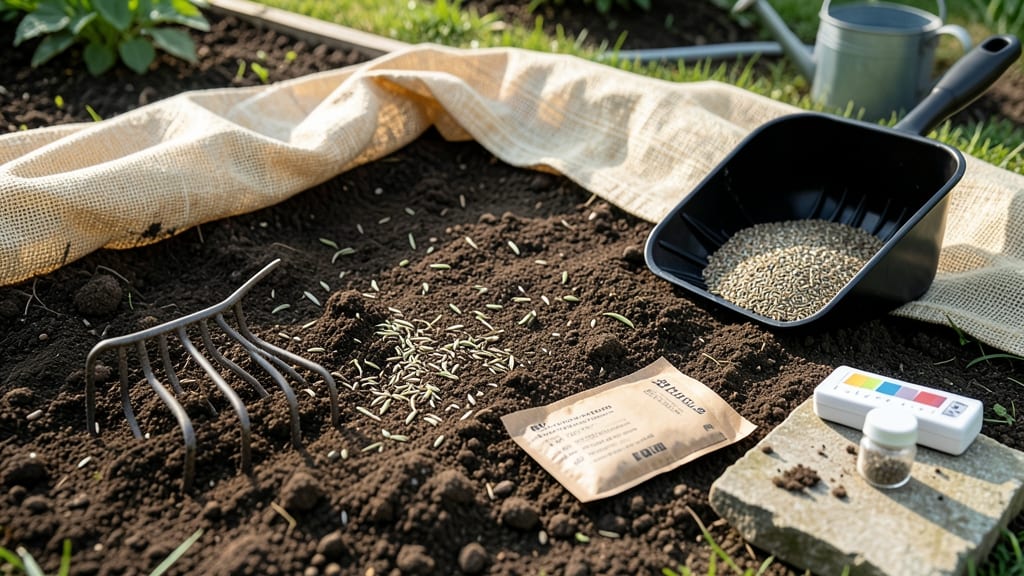
North Carolina grass planting deadlines by Zone: frost-free windows & soil temperature rules
North Carolina's diverse climate—from the Coastal Plain to the Mountains—means planting deadlines vary dramatically. If you plant cool-season grasses like tall fescue too late, they’ll struggle with summer heat.
Warm-season grasses like Bermuda planted too early face frost damage. Let’s break down the exact windows for your USDA Zone (6a-8b).
First, check your last frost date. In Zone 6a (Western NC), the average last frost is April 15, while Zone 8b (Coastal NC) sees its last frost by February 15. Planting cool-season grass before the last frost ensures roots establish before summer stress hits.
Soil temperature is your second critical factor. Most grass seeds germinate best when soil reaches 55°F-65°F. Use a soil thermometer to confirm—cool-season grasses need 60°F+, while warm-season grasses thrive at 70°F+. In NC, this typically aligns with March-April for cool-season and May-June for warm-season.
Here’s your zone-by-zone planting timeline, including frost-free windows and ideal soil temps:
For overseeding (adding seed to existing lawns), aim for early fall (September-October). This gives grass time to root before winter. In Zone 8b, you can even plant warm-season grass as late as May, but avoid planting after June 15—the heat will stress young seedlings.
Pro tip: If your soil stays below 55°F past April, wait for warmer temps. Use a black plastic mulch to warm soil faster if needed.
In the Mountains (Zone 6a), late April planting is ideal for tall fescue, while Bermuda grass in the Coastal Plain (Zone 8b) should go in by April 30.
Missed the spring window? Don’t worry—fall planting (September) is your second-best chance. Just ensure soil temps stay above 60°F for at least 4-6 weeks after planting. In Zone 7a, this means seeding by September 15 for a strong spring lawn.
Remember: Soil prep matters just as much as timing. Loosen the top 4-6 inches of soil, remove debris, and test pH (aim for 6.0-7.0). In NC’s humid climate, fungal diseases can strike if seeds sit too wet—water lightly but daily until sprouts appear.
🌱
Cool-season vs. warm-season grass planting: what NC gardeners must know before choosing seed
Choosing the right grass type for North Carolina is half the battle—planting it at the wrong time can ruin even the best seed. Cool-season grasses like tall fescue and ryegrass thrive in spring and fall, while warm-season varieties such as Bermuda and zoysia need summer heat to establish.
Pick the wrong one, and you’ll end up with patchy, weak grass that struggles to survive NC’s climate shifts.
Most NC gardeners default to tall fescue because it handles the state’s humidity and drought better than other cool-season options. But if you’re in the Coastal Plain or Piedmont, Bermuda grass might be your best bet for summer resilience.
The key? Match your grass type to your planting window—not just your preference.
Here’s the critical rule: Cool-season grasses need to establish 6-8 weeks before the first frost (typically by October 15 in most zones). Warm-season grasses, however, should go in after soil temps hit 65°F+—usually mid-April to early June.
Planting Bermuda grass in March? You’ll waste seed and money as the heat arrives.
🌱 Pros & Cons: Cool-Season vs. Warm-Season Grasses in NC
- ✅ Pros: Stays green in fall, drought-tolerant, handles NC’s humidity
- ✅ Best for: Spring/fall planting, shade areas
- ✅ Pros: Heat-loving, recovers from drought, deep roots
- ✅ Best for: Summer planting, sunny lawns
- ❌ Cons: Goes dormant in summer, needs frequent watering
- ❌ Avoid: Planting after June 1 (heat stress)
- ❌ Cons: Brown in winter, slower establishment
- ❌ Avoid: Planting before April 15 (frost risk)
For example, if you plant tall fescue in July, it’ll struggle to germinate in the heat and may never fully establish. But if you wait until September, it’ll have time to root before winter.
Warm-season grasses like Bermuda follow the same logic: plant too early, and frost will kill the seedlings.
Pro tip: Use a soil thermometer to check temps before planting. Cool-season grasses need 55°F-65°F soil, while warm-season varieties prefer 70°F+. NC’s Piedmont zone often hits these temps earlier than the Mountains, so adjust your timeline accordingly.
One common mistake? Mixing grass types without planning. If you overseed ryegrass over Bermuda in spring, the Bermuda will outcompete the ryegrass once summer hits. Stick to one type per season, and your lawn will thank you with dense, uniform growth.