
Plants
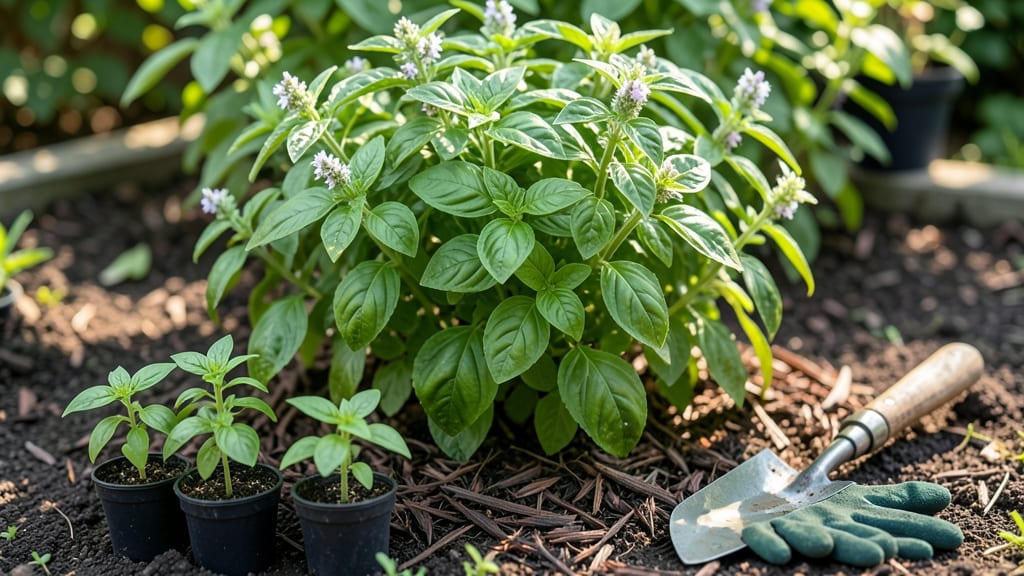
Timing your basil planting in North Carolina makes all the difference between a thriving 🌿 harvest and wilted disappointment. The 6b-8a zones offer perfect conditions, but getting those seeds in the ground too soon or too late can ruin your chances of enjoying fresh basil from June through October.
Most gardeners in North Carolina know basil is an annual that loves warmth, but the exact planting window varies dramatically between the Coastal Plains, Piedmont, and Mountain regions.
The key is waiting until after your last frost date—typically between mid-April and mid-May—but with a few smart strategies, you can push those windows even further.
Whether you're growing sweet Genovese basil for pesto or spicy Thai basil for curries, understanding your microclimate is the secret to success. I'll show you exactly when to plant, how to extend your growing season, and the common mistakes that could sabotage your harvest before it even begins.
Ready to grow basil that tastes as good as it looks? Let's dive into the perfect planting schedule for your corner of North Carolina—because timing isn't just about the calendar, it's about the climate.
North Carolina basil planting calendar by region: exact dates for peak growth
North Carolina’s diverse climate—from the humid Coastal Plains to the cooler Mountain regions—means your basil planting dates should align with your USDA zone and last frost dates.
Whether you’re growing Genovese basil for pesto or Thai basil for spicy dishes, timing is critical to avoid frost damage or heat stress.
Basil is a warm-season annual in NC, meaning it won’t survive frost. The ideal window is after your average last frost date, when soil temperatures consistently stay above 50°F.
In most of NC, this falls between mid-April and mid-May, but your exact timing depends on whether you’re in the Coastal Plains, Piedmont, or Mountains.
For Coastal NC (Zones 8a-8b), like Wilmington or Morehead City, you can plant basil as early as late March—the mild winters mean fewer frost risks.
In contrast, Mountain regions (Zones 6b-7a), such as Asheville or Boone, should wait until mid-to-late May to avoid late spring frosts that can kill tender seedlings.
Here’s a breakdown of your region-specific planting windows, including frost risk analysis and heat tolerance tips for your basil varieties:
If you’re eager to start earlier, consider container gardening or indoor seed starting. Basil seeds germinate best at 70-80°F, so use a heat mat if your home is cooler. Transplant seedlings outdoors only after the last frost date—hardening them off for 7-10 days first to avoid shock.
For fall planting, aim to sow seeds by mid-August in Coastal NC or early September in the Mountains. This gives basil enough time to mature before the first frost, typically around mid-November in the Mountains and late November in the Coastal Plains.
Pro tip: Monitor your local NC State Extension frost dates annually—they can shift slightly due to climate changes. For example, Raleigh (Zone 7b) might see its last frost creep into mid-April some years, while Charlotte (Zone 8a) could safely plant by early April.
Remember, basil hates cold soil. Even if daytime temperatures warm up, soil thermometers are your friend—wait until the soil reaches at least 50°F before planting. In cooler zones, opt for slow-bolting varieties like 'Sweet Basil' or 'Lemon Basil' to maximize your harvest window.
🌿
How to extend your basil harvest season in NC using strategic techniques
North Carolina’s warm summers make basil a star herb, but the growing season feels short when frost sneaks in by November. The good news? With smart techniques, you can enjoy fresh basil from early spring to late fall.
I’ve tested these methods in my Zone 7b garden—here’s what works best for NC gardeners.
Start by choosing heat-tolerant varieties like Thai basil or Genovese, which handle NC’s summer heat better than standard types. These varieties also resist bolting (flowering too early), giving you more harvest time.
For maximum yield, combine this with succession planting—sow new seeds every 2-3 weeks from April through July.
🌱
🌿 3 Proven Techniques to Extend Your Basil Season
- 🌱 Succession Planting: Sow seeds every 2-3 weeks from April to July. Replace bolting plants immediately for continuous harvests.
- 🪴 Container Gardening: Use pots on wheels to move basil indoors before frost. Place near south-facing windows for 6+ hours of light daily.
- 🌡️ Cold Frames: Cover outdoor plants with clear plastic domes in fall. Protects from light frosts (28-32°F) and extends harvests until mid-November.
For gardeners in Coastal NC (Zone 8a), you can push basil even further. Try planting slow-bolting varieties like Sweet Basil 'Spicy Globe' in early September. These mature quickly and produce harvests before winter sets in. Always use well-draining soil and mulch heavily to retain warmth.
If you’re in Mountain NC (Zone 6b), focus on early starts indoors. Begin seeds under grow lights in mid-March, then transplant outdoors after your last frost (mid-April). This head start gives you a 6-8 week advantage over traditional outdoor planting.
Don’t forget to harvest regularly—pinching flowers and outer leaves encourages bushier growth. Store harvested stems in water-filled jars on your counter for fresh basil anytime. With these tricks, you’ll enjoy homegrown basil for 6+ months instead of just 3!
🌿