
Plants
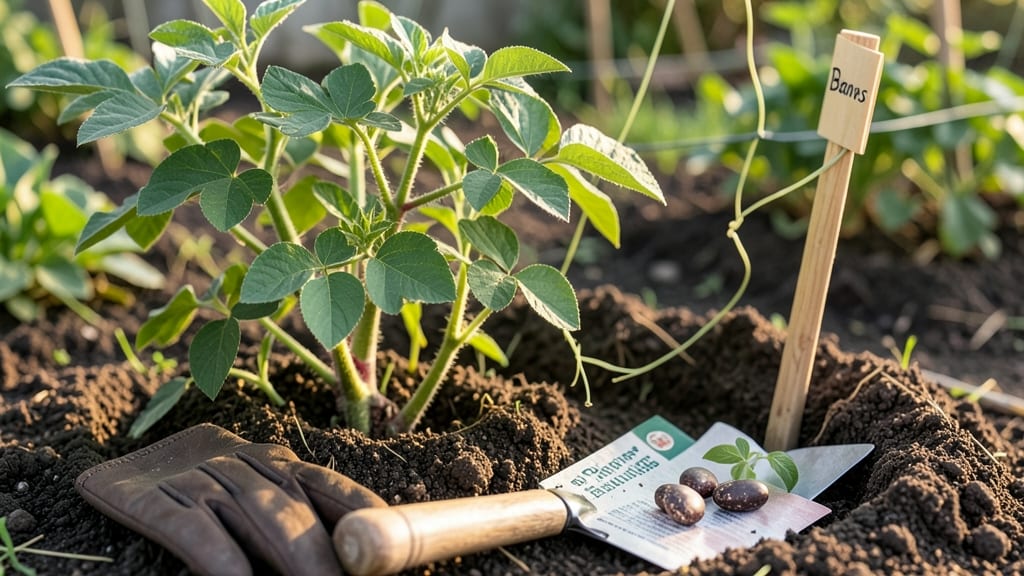
If you’ve ever wondered when to plant beans in Kentucky, timing isn’t just about the calendar—it’s about soil temperature and variety. 🌱 Cool spring mornings can trick you into planting too early, leaving your seeds sitting in damp soil instead of sprouting.
The key to a fast, bountiful harvest? Waiting until the ground warms to at least 60°F—that’s when beans wake up and race to maturity.
For Kentucky’s 6a-7a zones, that usually means aiming for April 15 to June 1 for spring plantings, or August 15 to September 15 for a fall crop. But don’t just guess—test your soil with a thermometer or watch for those first 50°F+ readings at a 2-inch depth.
Bush beans and pole varieties both need that warmth to germinate quickly, so timing matters more than you’d think.
Here’s the game-changer: skipping the indoor-starting routine. Beans thrive when direct-sown into warm soil, and Kentucky’s short growing season means every day counts. We’ll break down exactly how to prep your beds, spot the perfect planting window, and avoid the mistakes that leave gardeners scrambling for a harvest.
Ready to set your beans up for fast success?
Let’s dive into the soil science and planting tricks that’ll turn your Kentucky garden into a bean bonanza—without the guesswork. You’ll learn how to beat frost risks, extend your harvest window, and even troubleshoot when Mother Nature throws a curveball.
Kentucky bean planting calendar: soil temperature triggers by variety
Timing your bean planting in Kentucky isn’t just about avoiding frost—it’s about hitting the 50°F soil temperature threshold for germination.
Most bean varieties need warm soil to sprout reliably, and Kentucky’s USDA zones 6a-7a mean your last frost typically arrives around April 15, but soil warms more slowly in northern regions like Paducah than in Lexington.
For bush beans, which mature faster (50-60 days), aim to plant when soil hits 60°F—usually mid-April to early May in most of Kentucky. Pole beans, which take longer (60-70 days), benefit from a slightly later start (late May) to ensure they reach maturity before fall frosts in October.
Kentucky’s microclimates add complexity: Mountain regions like Eastern Kentucky may need to wait until May 1, while Western Kentucky can start as early as April 1. Always check your local frost-free date and plant at least 2 weeks after the average last frost to avoid cold snaps.
Here’s how to align your planting with Kentucky’s soil warming patterns and variety needs:
Kentucky’s Appalachian regions often experience late-spring frosts, so consider using row covers or planting heat-loving varieties like Black Valentine beans, which thrive in warmer conditions. For northern Kentucky, push planting to May 1 to avoid frost risks.
If you’re unsure about soil temps, use a soil thermometer (insert 2 inches deep) for 3 consecutive days above 60°F before planting. Pole beans especially need consistent warmth to climb and produce pods efficiently.
For extended harvests, Kentucky gardeners often plant successive crops every 2 weeks from April through June. This ensures a steady supply of fresh beans while avoiding overproduction that can lead to pod toughening.
Remember: Cool, wet soils delay germination. Amend beds with compost or aged manure to improve warmth and drainage, especially in clay-heavy soils common in Western Kentucky.
🌱
How to test soil temperature and prepare Kentucky garden beds for beans
Testing your soil temperature is the secret to fast bean germination in Kentucky’s clay-heavy soils. Beans need 60°F+ soil to sprout reliably—cooler temps delay growth or cause rot. A simple soil thermometer ($10 at garden centers) takes the guesswork out of timing.
Stick it 2 inches deep (where seeds will sit) and check daily until you hit that sweet spot.
Kentucky’s microclimates matter too. Northern regions (like hardiness zone 6a) warm slower than Louisville’s zone 7a. If your soil stays below 55°F after May 1, try black plastic mulch or plant in raised beds to speed up warming. This trick adds 5-10°F to soil temps in just days.
Prep Your Kentucky Garden Beds for Beans
- 🔍 Test soil 2 weeks before planting—aim for 60°F+ at 2" depth.
- 🪴 Loosen soil 12" deep with a broadfork to break up clay compaction.
- 💧 Add compost (2-3 inches) or well-rotted manure to improve drainage.
- ☀️ Use black plastic in cool zones to warm soil 5-10°F faster.
- ✂️ Rake beds smooth and plant seeds 1" deep in rows 3-4" apart.
Kentucky’s clay loam soils drain poorly when wet, which can drown bean seeds. To fix this, mix in sand or perlite (1 part to 3 parts soil) for better aeration. If your soil tests high in clay, add peat moss to create pockets for roots.
A simple jar test (fill a jar with soil and water—if water drains in 2 hours, it’s drainable enough).
For pole beans, which need taller supports, install trellises or stakes at planting time to avoid disturbing roots later. Bury stakes 6 inches deep and space them 18-24 inches apart in rows.
This saves time and prevents root damage from retrofitting supports. Pole beans also benefit from vertical mulching—wrap the base of stakes with straw to retain moisture.
Don’t skip the pH check! Beans thrive in 6.0-7.0 pH. Kentucky’s soils often lean acidic, so add lime (if pH <6.0) or sulfur (if pH >7.0) 2-3 weeks before planting. Test again after amending—this small step can double your yield by ensuring nutrients are available.
Finally, water your beds the day before planting to settle the soil. This helps seeds make firm contact with moist earth, speeding up germination. After planting, keep soil consistently moist (not soggy) until seedlings emerge.
A drip irrigation system on a timer works best—it delivers 1-2 inches of water weekly without over-saturating Kentucky’s heavy clay.