
Plants
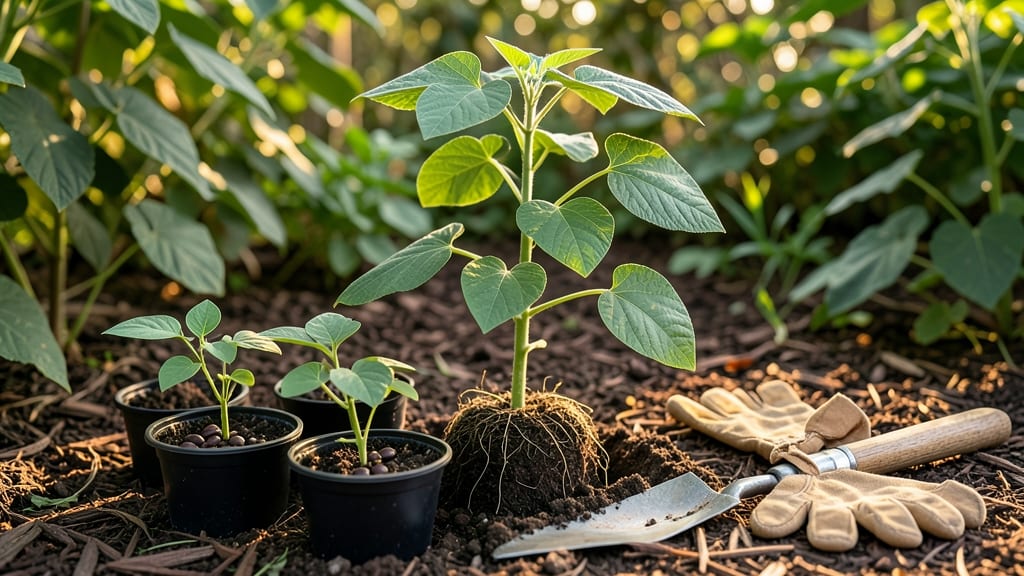
Timing your bean planting in Utah isn’t just about checking a calendar—it’s about understanding when the soil hits that sweet 55°F–65°F range for fast germination. Skip this step, and your 🌱 seedlings might bolt or rot before they even sprout.
I’ve seen firsthand how a few degrees can mean the difference between a bountiful harvest and wasted effort, especially in Utah’s diverse microclimates.
Here’s the game-changer: most gardeners in Utah (from Salt Lake Valley to St. George) wait for last frost to pass, but that’s only half the battle. The real secret is monitoring soil temperature—not just air temperature—because beans need warmth to wake up from dormancy.
Without this, even the hardiest varieties struggle to thrive in Utah’s dry, unpredictable springs.
In this guide, I’ll break down exactly when to plant beans in Utah based on soil warmth, not just dates.
You’ll learn which varieties handle late starts best (think pole beans vs. bush beans) and how to use row covers or succession planting to stretch your growing season—critical for Utah’s shorter summers. Let’s get those beans sprouting faster and stronger.
Ready to avoid the common mistakes that leave Utah gardeners scratching their heads? We’ll cover everything from testing soil temperature like a pro to choosing the right varieties for your specific zone. Your next harvest could be the best one yet—if you plant at the right moment.
Utah’s ideal bean planting windows by soil temperature (not calendar dates)
Utah’s diverse climate—from high-desert valleys to mountain foothills—means calendar dates alone won’t guarantee success. Instead, focus on soil temperature, which should reach 55°F–65°F for beans to germinate reliably.
In Salt Lake City, this typically aligns with mid-April to early May, while St. George’s warmer microclimate can start as early as late March. Rural areas like Cache Valley may need to wait until late May due to cooler nights.
Beans are warm-season crops, meaning they won’t tolerate frost. Use last frost dates as a guide, but verify with a soil thermometer—beans planted in 45°F soil may rot or fail to sprout.
Utah State University Extension recommends waiting until the 5-day forecast shows no frost risk before sowing seeds directly into the ground. For pole beans, which take longer to mature, aim for earlier planting (when soil hits 55°F), while bush beans can handle slightly cooler soils (60°F).
Here’s the critical rule: Plant beans when soil temperature is consistent at 55°F+ for at least 7–10 days. This ensures fast germination (5–10 days) and avoids the leggy, weak seedlings that result from planting too early.
In Utah’s short growing season, timing is everything—delaying by even 2 weeks can reduce your harvest window significantly.
For high-altitude areas like Park City or Logan, where frost lingers until mid-June, consider container gardening or row covers to extend the season.
Meanwhile, Southern Utah’s desert regions (e.g., Moab or Cedar City) can push planting into late February for early varieties, thanks to warmer soils and longer daylight hours.
Direct-sowing is ideal for beans, but if you’re transplanting seedlings, harden them off first and plant when soil is 60°F+. Transplants shock more easily, so avoid this method unless you’re in a protected microclimate like a greenhouse or raised bed.
In Utah’s dry climates, mulch heavily after planting to retain moisture and regulate soil temperature—this can buy you 1–2 extra weeks of viable planting time.
Pro tip: Test your soil 2–3 inches deep in the morning (when it’s coolest) for the most accurate reading. If temperatures fluctuate 10°F+ between day and night, wait a few more days—beans need stable warmth to thrive.
In Northern Utah, this often means waiting until after Memorial Day, while Southern Utah gardeners can start as early as Valentine’s Day for heat-loving varieties like ‘Scarlet Runner’.
🌱
Utah’s microclimates create a 3–4 week difference in ideal planting windows. For example, Provo’s cooler nights may require waiting until late April, while Hurricane’s desert heat allows March plantings.
Always check local frost data from the National Weather Service or Utah Climate Center—their 10-year averages account for Utah’s
How to test soil temperature in Utah and adjust planting for fast germination
Utah’s dry, variable climate means calendar dates are unreliable for planting beans. Instead, focus on soil temperature, which should reach 55°F–65°F for optimal germination.
A soil thermometer (available at local nurseries like Barnes & Noble Gardens in Salt Lake City) is your best tool—rent one for $10 if you’re unsure.
Check temperatures early morning for accuracy, as afternoon sun can skew readings. In northern Utah (e.g., Ogden, Logan), wait until late May, while southern Utah (St. George) can start as early as mid-April. High-altitude areas like Park City may need to wait until June.
Beans need consistent moisture to germinate, so adjust planting depth based on soil type. In sandy soils (common in Utah’s desert regions), plant seeds 1 inch deep to retain moisture. In clay-heavy soils (e.g., near Provo), go ½ inch deep to prevent rot.
Planting too shallow in dry Utah soil causes seeds to dry out before sprouting. Overwatering after planting can drown seeds in compacted soil. Test moisture by squeezing soil—it should hold shape but crumble when touched.
For fast germination, use black plastic mulch (available at Tractor Supply Co.) to warm soil by 5–10°F. Remove mulch once beans emerge to prevent overheating. Succession plant every 2 weeks in June–July for a continuous harvest.
If your soil stays below 55°F by late June, try cold-tolerant varieties like ‘Blue Lake Bush’ or use row covers (e.g., Agribon) to protect seedlings. Monitor soil temps weekly—Utah’s microclimates can shift dramatically.
Pro tip: Plant a test row 2 weeks before your target date. If 70% of seeds sprout within 7–10 days, your soil is ready for full planting. Adjust future timings based on these trials to beat Utah’s unpredictable frost risks.