
Plants
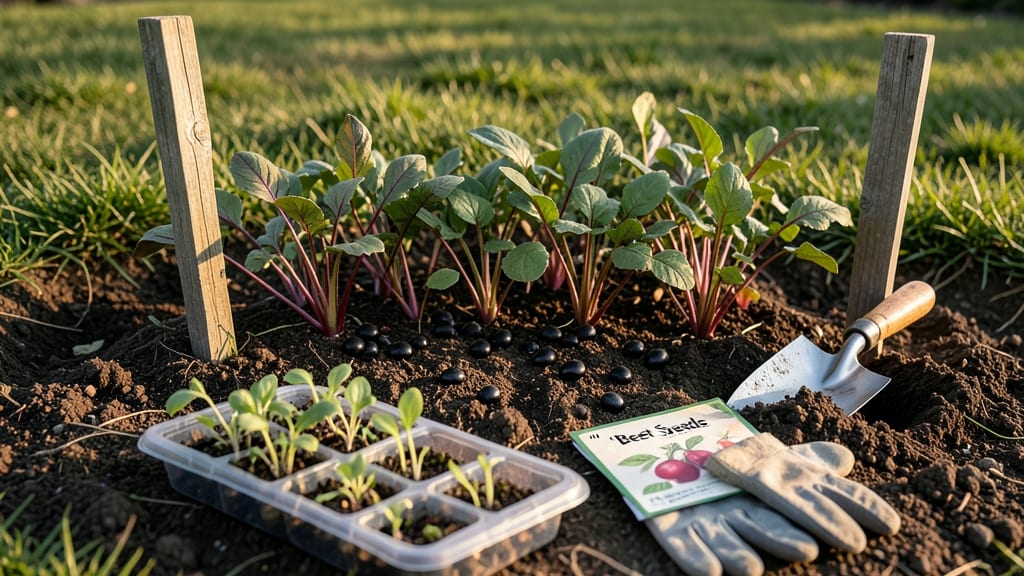
Planting beets in Arizona isn't just about dropping seeds in the dirt—it's about timing them perfectly to beat the heat and avoid bitter disappointment.
The fall season, between September and October, offers the ideal window when temperatures cool down, giving your 🍠 roots the chance to thrive without bolting into greens. Skip this timing, and you risk stunted growth or plants that taste more like disappointment than dinner.
Why does this matter? Because Arizona’s climate is tricky—scorching summers and unpredictable monsoons can turn your beet patch into a science experiment gone wrong.
The key is understanding how to work with your local weather patterns, from soil prep to watering schedules, so your beets grow sweet and plump instead of tough and woody.
In this guide, I’ll walk you through the exact steps to plant beets for a perfect harvest, including the 3 critical mistakes that ruin most Arizona gardens—and how to avoid them.
Whether you're a seasoned gardener or just starting, these tips will help you grow beets that are as satisfying to pull from the ground as they are delicious in your meals.
Ready to dig in? Let’s get your beets growing like a pro, no matter what Arizona throws your way.
Best planting times for beets in Arizona’s climate zones
Arizona’s climate is a double-edged sword for beet growers. The high desert regions (Zone 7b-8a) like Flagstaff experience cooler nights, while lower elevations (Zone 9b-10a) in Phoenix and Tucson bake under relentless sun.
Beets thrive in cool weather but bolt (go to seed) when temperatures exceed 75°F. The key is planting when soil temps stay between 50°F and 70°F—ideal for germination and root development.
Most Arizona gardeners focus on two prime planting windows: fall and early spring. Fall planting (September-October) gives beets time to mature before winter, while spring planting (February-March) avoids the brutal summer heat. Monsoon rains (July-August) can actually help germination if timed right, but they also bring unpredictable soil moisture.
I’ll break down the best strategies for each zone to maximize your harvest.
Here’s how Arizona’s unique climate affects beet planting:
For high desert areas, I recommend starting seeds indoors in early September to get a jump on the 60-day growth cycle. Transplant seedlings when soil temps drop below 70°F—typically mid-September.
In low elevations, February is your last chance to avoid summer heat. Use shade cloth (30-50%) if planting in late spring to protect young seedlings from 100°F+ soil temps.
Pro tip: Test your soil’s pH level before planting. Arizona’s alkaline soil (pH 7.5-8.5) can stunt beet growth. Aim for pH 6.0-7.0 by amending with sulfur or peat moss.
I’ve seen beets grow 3x faster in amended soil compared to untreated native soil. Always water deeply after amending to help nutrients settle.
Monsoon season (July-August) can actually work to your advantage if you’re planting for a fall harvest. The heavy rains soften the soil and provide consistent moisture, but they also bring flash flooding risks.
Choose raised beds or slightly elevated planting areas to prevent waterlogging, which causes root rot. If you’re planting in August, use drip irrigation to maintain even moisture without relying on rain.
One mistake I see often is planting beets too early in spring. By April, daytime temps often exceed 90°F, causing beets to bolt within 2-3 weeks. Instead, opt for heat-tolerant varieties like ‘Detroit Dark Red’ or ‘Golden’ if you must plant in late spring.
These varieties handle 80°F temps slightly better than standard types. Always plant seeds ½ inch deep and keep soil moist until germination (5-10 days).
In Arizona’s Zone 9b-10a, you can even try a winter harvest by planting in November. Beets are cold-hardy down to 20°F, but they grow slowly in winter. Use row covers to protect plants from unexpected frosts, especially in high desert areas.
Mulch heavily with straw or leaves to insulate roots and retain moisture during Arizona’s dry winters.
Remember: Succession planting is your best friend in Arizona’s short growing seasons. Plant new seeds every 2-3 weeks during your chosen window to ensure a continuous harvest. For example, if you plant your first batch in September, follow up with another in October for a November-December harvest.
This strategy maximizes your yield and reduces waste from overproduction.
🌱
Best planting times for beets in Arizona’s climate zones
Arizona’s USDA Zone 9b climate means beets thrive in cool-season windows—avoiding the brutal summer heat. The ideal planting months are September-October for fall harvests and February-March for spring harvests. These windows align with soil temperatures between 50°F–70°F, perfect for germination.
In high desert areas (Zone 7b-8a), like Flagstaff, light frosts can occur in December-January, allowing for extended fall planting until early November. Meanwhile, lower elevations (Phoenix, Tucson) can push planting into late October before winter chill sets in.
Monsoon rains (July-September) can actually help with summer planting if you use shade cloth to protect seedlings. However, direct summer planting is risky—beets bolt (go to seed) quickly in 90°F+ temps. Always test soil moisture before planting; Arizona’s alkaline soil often needs amended pH (6.0–7.0) for best results.
🌱 Beet Planting Timeline for Arizona
| Season | Planting Window | Soil Temp | Harvest Window |
|---|---|---|---|
| Fall | September–October | 50°F–70°F | November–December |
| Spring | February–March | 55°F–65°F | April–May |
| Summer (Risky) | June–July (with shade) | 75°F+ (bolt risk) | August–September |
⚠️ Pro Tip: Use shade cloth (30–50%) for summer planting to prevent bolting.
For fastest germination, aim for soil temps below 75°F. In Arizona’s heat, seeds may rot before sprouting if planted too late in spring. Succession plant every 2 weeks in fall/spring to ensure a continuous harvest.
If you’re in Zone 7b (high desert), consider cold-hardy varieties like Detroit Dark Red or Golden—they tolerate light frosts better than Chioggia (which bolts faster). Always mulch heavily in winter to protect roots from temperature swings.
Timing isn’t just about months—it’s about moisture and heat. Plant after monsoon rains (late August) for natural irrigation, or drip-irrigate daily during dry spells. Never plant in soggy soil—beets rot faster than they grow in Arizona’s clay-heavy soils.