
Plants
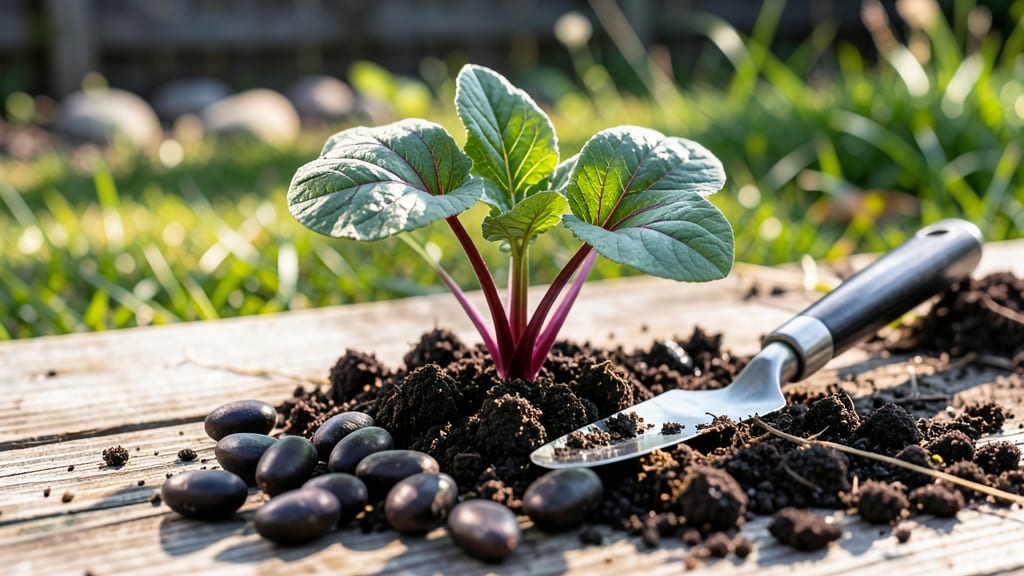
Knowing when to plant beets in the fall could mean the difference between a sweet, tender harvest and bitter disappointment. These vibrant 🍠 roots thrive in cooler weather, but timing is everything—plant too early, and they’ll bolt; too late, and frost will ruin your crop.
For gardeners in USDA Zone 6a, the ideal window starts 8-10 weeks before your first frost, typically in late summer or early fall. This gives them enough time to mature before winter sets in, ensuring a harvest of rich, flavorful roots.
But don’t worry if you’re unsure about your exact deadline. I’ll walk you through how to calculate your zone-specific planting dates, plus tips for soil prep, spacing, and post-planting care to keep your beets happy until harvest.
Ready to grow your best fall beets yet? Let’s dive into the details so you can enjoy a homegrown harvest that’s as rewarding as it is delicious.
Fall planting deadlines by USDA hardiness zone for beets
Planting beets in the fall is all about timing—get it right, and you’ll enjoy sweet, tender harvests before winter arrives. The key is to start 8-10 weeks before your first frost date, giving your beets enough time to mature (typically 60-70 days) before temperatures drop below 20°F.
However, this window shifts dramatically depending on your USDA hardiness zone.
For example, gardeners in Zone 3-4 (like Minnesota or upstate New York) have a shorter growing season, so they’ll need to plant late July to early August to avoid frost damage.
Meanwhile, Zone 7-8 gardeners (like Texas or Georgia) can stretch planting into late September or early October and still enjoy a fall harvest.
Let’s break down the exact planting deadlines for each zone to ensure your beets reach maturity before winter sets in. This zone-specific guide will help you avoid the two biggest mistakes: planting too early (risking bolting) or too late (leaving your crop vulnerable to frost).
Pro Tip: Use a frost calendar for your area (check the National Weather Service or local extension office) to pinpoint your first frost date. Then, count backward 60-70 days to determine your planting window.
| USDA Zone | First Frost Date | Ideal Planting Window | Notes |
|---|---|---|---|
| Zone 3-4 | Mid-September to early October | Late July to early August | Short season; use fast-maturing varieties like 'Detroit Dark Red'. |
| Zone 5-6 | Late October to mid-November | Early to mid-August | Flexible window; can plant in two successions for extended harvest. |
| Zone 7-8 | Mid-November to early December | Late August to early October | Longer season; can plant up to 3 successions for winter harvests. |
| Zone 9-10 | December to January | September to early November | Mild winters; can grow beets year-round with row covers. |
If you’re in a warmer zone (7-10), you can push your luck and plant as late as early October, but be prepared to use row covers or cold frames to protect your crop from light frosts.
In cooler zones (3-6), stick to the earlier window to avoid premature bolting or stunted growth.
Another trick for extending your harvest is to plant two successions—one in early August and another in mid-September. This ensures a staggered harvest and reduces the risk of losing your entire crop to an early frost.
For example, in Zone 6, your first planting (early August) will mature in late September, while your second planting (mid-September) will be ready in November.
Don’t forget to test your soil temperature before planting. Beets thrive in soil that’s 45-75°F. If your soil is too cold (below 45°F), your seeds may not germinate properly.
Use a soil thermometer to check—if it’s too cool, wait a few days or use black plastic mulch to warm the soil faster.
Finally, choose fast-maturing varieties like 'Babybeat' or 'Golden' for fall planting. These varieties typically mature in 50-55 days, giving you a buffer if your growing season is shorter.
Avoid larger varieties like 'Chioggia', which take 70+ days to mature and may not have enough time to reach full size.
With the right timing, you’ll enjoy crisp, sweet beets straight from your garden—just in time for holiday meals or winter storage. Happy planting! 🌱
Fall planting deadlines by USDA hardiness zone for beets
Timing your fall beet planting depends entirely on your USDA hardiness zone. In zones 3-5, aim to plant 8-10 weeks before your first frost date—typically between mid-July and early August.
This ensures beets mature before winter freezes. For zones 6-8, you’ve got more flexibility, with ideal planting windows stretching from late July to early September.
Beets need 60-70 days to reach harvest size, so calculate backward from your average first frost date. For example, if frost hits October 15th in your area, plant by August 15th. Late fall plantings (after September) risk bolting or stunted growth due to shorter daylight hours.
Here’s a quick reference for zone-specific deadlines to maximize your harvest:
| USDA Zone | Planting Window | First Frost Date | Harvest Window |
|---|---|---|---|
| 3-5 | Mid-July to early August | Late September to mid-October | Late September to October |
| 6-7 | Late July to early September | Mid-October to early November | October to November |
| 8-10 | August to late September | November to December | November to December |
In warmer zones (8-10), you can even push planting to late September for a winter harvest, but protect young plants with row covers if frost threatens. For cooler zones (3-5), prioritize early August plantings to avoid premature bolting from cold snaps.
Pro tip: Use a soil thermometer to confirm temperatures are 45-75°F before planting. Cooler soils (below 45°F) slow germination, while above 80°F can cause bolting. Aim for 60-70°F soil temps for optimal growth.
Adjust your planting date if you’re growing short-season varieties like 'Babybeat' or 'Detroit Dark Red'. These mature in 50-60 days, giving you a 10-day buffer for late starts. Always check seed packets for days-to-maturity guidelines.