
Plants
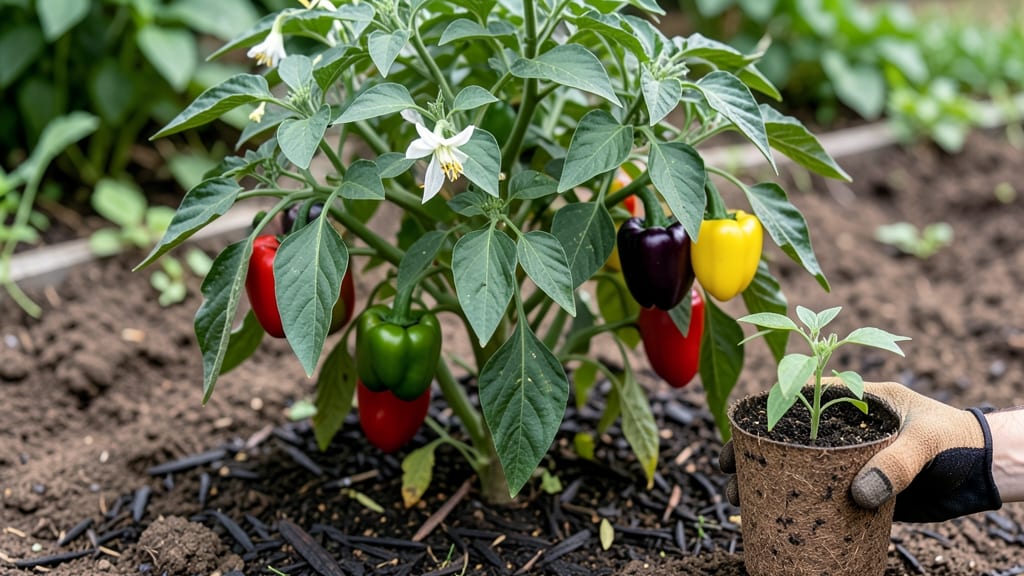
Knowing when to plant bell peppers in Missouri can mean the difference between a bumper crop and wasted effort. With Missouri's unpredictable spring weather, getting the timing right is key—especially when you're eyeing that first harvest of crisp, sweet 🌶️ bell peppers by summer.
The wrong move could leave your plants struggling with frost or stunted growth, but with the right strategy, you'll be enjoying homegrown peppers from July through October.
Most Missouri gardeners wait until after the last frost—typically mid-April to early June—but that's just the starting point. Soil temperature matters just as much as air temperature, and in zones like 5b-6b, waiting until the ground reaches at least 60°F ensures strong root development.
Whether you're starting seeds indoors or planting directly outdoors, understanding these nuances will help you avoid common pitfalls and maximize your yield.
I've tested different approaches over the years, from early starts with row covers to staggered plantings for extended harvests. The key is balancing Missouri's short growing season with the 70-90 days bell peppers need to mature.
You'll discover how to adjust planting times based on your specific zone, whether you're dealing with a cooler spring in northern Missouri or a longer summer in the southern part of the state.
Ready to grow bigger, healthier bell peppers? Let's dive into the exact planting windows, soil prep tips, and seasonal adjustments that will give you the edge. By the end, you'll know exactly when to put those seedlings in the ground—and how to protect them if Mother Nature throws a curveball.
Missouri bell pepper planting dates by USDA Zone: avoid frost and maximize growth
Missouri’s USDA Zones 5b-7a create unique challenges for bell pepper growers. The key to a successful harvest? Planting after the last frost date—typically mid-April to early June—but with adjustments based on your zone.
In Zone 5b, late frosts can linger until May 15, while Zone 6b gardeners often see frost-free conditions by April 15. Timing isn’t just about frost—soil temperature matters too.
Bell peppers thrive when soil reaches 60°F or warmer. In Missouri, this usually aligns with late April to early May, but cooler springs (like 2021’s) can delay planting until mid-May.
If you’re eager to start early, use black plastic mulch to warm the soil faster—this can shave off 2-3 weeks of waiting time. For container gardeners, soil warms more quickly, so you might transplant 1-2 weeks earlier than in-ground plants.
Here’s how Missouri’s three main zones break down for bell pepper planting:
| USDA Zone | Last Frost Date | Ideal Planting Window | Soil Temp Requirement | Notes |
|---|---|---|---|---|
| 5b (North MO) | May 1-15 | May 15-June 1 | 60°F+ | Use row covers for early starts; consider cold frames. |
| 6a (Central MO) | April 15-30 | April 30-May 15 | 60°F+ | Best zone for long harvests; succession plant in June. |
| 6b/7a (South MO) | March 15-April 15 | April 15-May 1 | 60°F+ | Longer season; can plant early varieties by March 20. |
For indoor seed starting, begin seeds 8-10 weeks before transplanting. In Zone 5b, this means early March, while Zone 6b gardeners can start seeds in late February.
Use grow lights to supplement Missouri’s short winter days—pepper seedlings need 14-16 hours of light daily to avoid leggy growth. Harden off seedlings for 7-10 days before transplanting to acclimate them to outdoor conditions.
Direct sowing outdoors is less common for bell peppers because they’re sensitive to cold soil. However, in Zone 6b/7a, you can direct-sow early varieties (like ‘Early Cal Wonder’) in late April if soil is warm enough.
For most gardeners, transplanting seedlings is the safer bet—it gives peppers a 2-3 week head start on growth. Space transplants 18-24 inches apart in rows 3 feet apart to allow for airflow and reduce disease risk.
Missouri’s humidity and summer heat can stress bell peppers if planted too late. Aim to transplant by early June at the latest to ensure peppers mature before first frost (typically October 15-November 15).
Late plantings may only produce small, underdeveloped peppers before cold sets in. To maximize your harvest, succession plant every 2-3 weeks from May through June—this stretches your harvest window from July to October.
Pro tip: Use a soil thermometer to monitor temperatures. Bell peppers won’t germinate below 60°F, and growth slows dramatically below 70°F. If your soil is still cool in May, try warming it with clear plastic mulch or a mini greenhouse to create a microclimate.
This trick can add 1-2 weeks to your growing season without risking frost damage.
Remember, Missouri’s microclimates vary wildly. A garden in St. Louis (Zone 6b) might have 2 weeks earlier frost-free dates than one in Kansas City (Zone 5b). Check local weather stations or ask neighbors with established gardens for firsthand frost dates.
When in doubt, err on the side of waiting—a healthy, late transplant will outperform a struggling early one.
Finally, keep an eye on your pepper varieties. Short-season varieties (like ‘Aristotle’, which matures in 60 days) are perfect for Zone 5b, while longer-season types (like ‘Carmen’, 80 days) thrive in Zone 6b/7a. Match your planting dates to your chosen variety’s days to maturity for the best results.
With the right timing, Missouri’s bell peppers can be sweet, abundant, and ready to harvest just as summer transitions to fall—perfect for sauces, stuffing, or fresh eating. 🌶️
How to extend Missouri’s growing season for bell peppers: cold frames, row covers, and succession planting
Missouri’s short growing season can be tricky for bell peppers, but with the right strategies, you can protect your plants from late frosts and extend harvests into fall. In USDA Zone 5 (northern Missouri), frost can linger until mid-April, while Zone 6-7 areas face earlier freezes in October. The key? Low-tech solutions that buy you extra weeks of growing time without breaking the bank. Don’t let early frosts or late springs derail your pepper dreams. Whether you’re using row covers, cold frames, or succession planting, these methods can add 4-6 weeks to your harvest window. For example, early varieties like ‘Early California Wonder’ can be planted under protection as soon as late March in Zone 6, while late-season varieties like ‘Jupiter’ thrive when transplanted in early June for a fall harvest.Extend Your Missouri Pepper Season: Pros & Cons
✅ Row Covers
- Pros: Lightweight, breathable, and easy to install. Protects from light frosts (28°F) and pests like flea beetles.
- Cons: Reduces airflow slightly; may need stakes for heavy snow.
❌ Cold Frames
- Pros: Extends season by 4-6 weeks on both ends. Warms soil faster in spring.
- Cons: Requires more setup; can overheat in summer if not ventilated.
✅ Succession Planting
- Pros: Staggered harvests prevent glut; ideal for short-season varieties.
- Cons: Needs consistent watering; less space for other crops.
❌ High Tunnels
- Pros: Year-round protection; extends season by 8+ months.
- Cons: Expensive upfront; requires maintenance (ventilation, heating).