
Plants
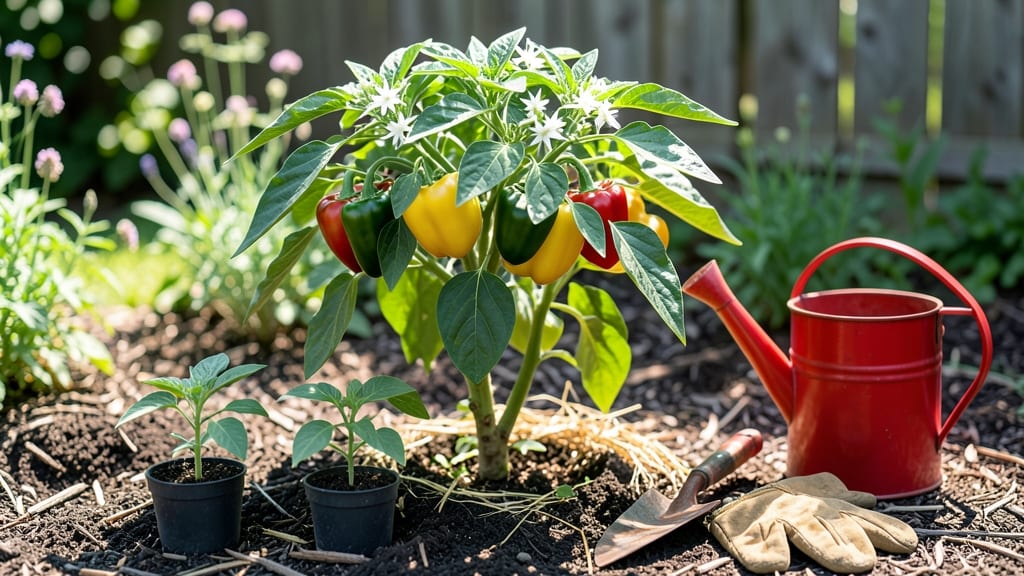
Timing your 🌶️ bell pepper planting in Oklahoma isn’t just about following a calendar—it’s about outsmarting the state’s unpredictable spring weather and scorching summers. Plant too early, and a late frost will wipe out your seedlings before they even sprout.
Wait too long, and your peppers will struggle to mature before the heat sets in.
For USDA Zones 7a-7b, the sweet spot is between April 15 and May 30, when soil temperatures hit at least 60°F and all frost danger has passed.
But here’s the catch: Oklahoma’s climate demands more than just dates—it requires choosing the right heat-tolerant varieties and preparing your soil just right to give those peppers the best shot at success.
I’ll break down the exact windows for transplanting seedlings versus direct sowing, plus the critical mistakes Oklahoma gardeners make that lead to failed harvests. Whether you’re a first-time planter or a seasoned pro, these insights will help you avoid common pitfalls and maximize your yield from July through October.
Ready to grow bold, flavorful bell peppers that thrive in Oklahoma’s heat? Let’s get into the specifics—so you can enjoy a harvest that’s as reliable as it is delicious.
Optimal planting dates for bell peppers in Oklahoma’s climate zones
Oklahoma’s USDA Zones 7a-7b create a unique challenge for bell pepper growers—cool springs followed by scorching summers. Planting too early risks frost damage, while waiting too long may stunt your harvest before fall’s first frost.
The key is timing transplants for soil temperatures above 60°F and stable nighttime temps above 50°F.
Most Oklahoma gardeners succeed by transplanting 4-6 week old seedlings between April 15 and May 30, aligning with the state’s average last frost date of March 15.
However, northern Oklahoma (like Zone 7a) may need to wait until early May, while southern regions (like Zone 7b) can start as early as mid-April.
Direct sowing is risky in Oklahoma’s climate—seedlings struggle with uneven soil warming—so I recommend starting seeds indoors 8-12 weeks before transplanting or purchasing sturdy seedlings from local nurseries. This gives your peppers a 3-week head start against Oklahoma’s unpredictable spring weather patterns.
| Planting Method | Optimal Window | Soil Temp Requirement | Notes |
|---|---|---|---|
| Transplant Seedlings | April 15 - May 30 | 60°F+ (16°C+) | Use 4-6 week old seedlings; avoid transplant shock |
| Direct Sow Seeds | May 15 - June 15 | 70°F+ (21°C+) | Risky; requires row covers for early starts |
| Late Summer Succession | July 15 - August 15 | 65°F+ (18°C+) | For fall harvest; use fast-maturing varieties |
For northern Oklahoma (e.g., Oklahoma City, Stillwater), aim for May 1-15 transplants to avoid late frosts. Southern areas (e.g., Tulsa, Lawton) can start as early as April 1, but monitor nighttime temperatures—peppers wilt below 55°F.
I’ve found that black plastic mulch warms soil faster and extends the planting window by 1-2 weeks.
Oklahoma’s summer heat (95°F+) isn’t the issue—bell peppers thrive in heat once established. The real enemy is uneven soil warming in spring. Use a soil thermometer to confirm 60°F+ at 4-inch depth before planting. I test mine every morning at 8 AM for consistency.
Pro tip: If you’re in Zone 7a, consider row covers for early transplants. They add 2-4°F warmth and protect against late spring frosts that can devastate young plants. Remove covers when temps exceed 75°F to prevent overheating.
Remember that Oklahoma’s first frost typically arrives November 15, giving you a 200-day growing season. This means you can push for late summer transplants (July-August) using fast-maturing varieties like ‘Early California Wonder’ for a fall harvest before frost.
For container growing, extend your season by 2-3 weeks using 5-gallon pots with heat-absorbing fabric. Containers warm faster than garden soil, letting you plant 2 weeks earlier in spring or 2 weeks later in fall.
Finally, always harden off seedlings for 7-10 days before transplanting. Oklahoma’s windy conditions and temperature swings can shock tender plants. Gradually expose them to outdoor conditions during the day and bring them in at night.
Critical mistakes to avoid when planting bell peppers in Oklahoma
Oklahoma’s clay-heavy soils and sudden temperature swings create unique challenges for bell pepper growers. Many gardeners unknowingly plant too early, exposing seedlings to late spring frosts that can kill them before they establish roots.
Others overlook soil pH requirements, which must stay between 6.0-6.8 for optimal nutrient uptake. These common mistakes often lead to stunted growth or complete crop failure.
Another frequent error is overcrowding seedlings, which restricts airflow and invites fungal diseases like Phytophthora—a major threat in Oklahoma’s humid summers. Even experienced gardeners sometimes ignore drainage issues in heavy clay soils, causing waterlogged roots that rot before peppers mature.
Let’s break down these pitfalls and how to avoid them.
🚨
#1 Oklahoma Pepper Killer: Poor Drainage
Oklahoma’s clay-heavy soils retain too much moisture, suffocating roots. Fix it: Amend beds with 2-3 inches of compost and create raised beds if drainage is poor. Test soil moisture—if water pools after 6 hours, improve drainage immediately.
Planting too early is another disaster waiting to happen. Bell peppers need consistent soil temps above 60°F and frost-free conditions. In Oklahoma’s USDA Zones 7a-7b, the average last frost date is March 15, but peppers won’t thrive until mid-April at the earliest.
Waiting until after May 1 ensures your plants won’t face late frosts or cool nights.
Overcrowding is a silent growth thief. Bell peppers need 18-24 inches of space between plants to develop properly. Too close together? You’ll get smaller peppers, poor airflow, and increased disease risk.
Thin seedlings early or space transplants correctly—your harvest depends on it. A 3x3 foot grid works well for most varieties.
Finally, neglecting soil pH testing is a recipe for failure. Oklahoma’s native soils often lean alkaline (pH 7.5+), locking out essential nutrients like phosphorus. Use a soil test kit (available at garden centers) and adjust with sulfur or peat moss if needed.
Aim for 6.0-6.8 pH—this small step can double your yield.
By avoiding these common mistakes, you’ll give your bell peppers the best shot at thriving in Oklahoma’s challenging climate. Start with well-prepped soil, correct spacing, and patient timing, and you’ll be feasting on homegrown peppers from July through October. 🌶️