
Plants
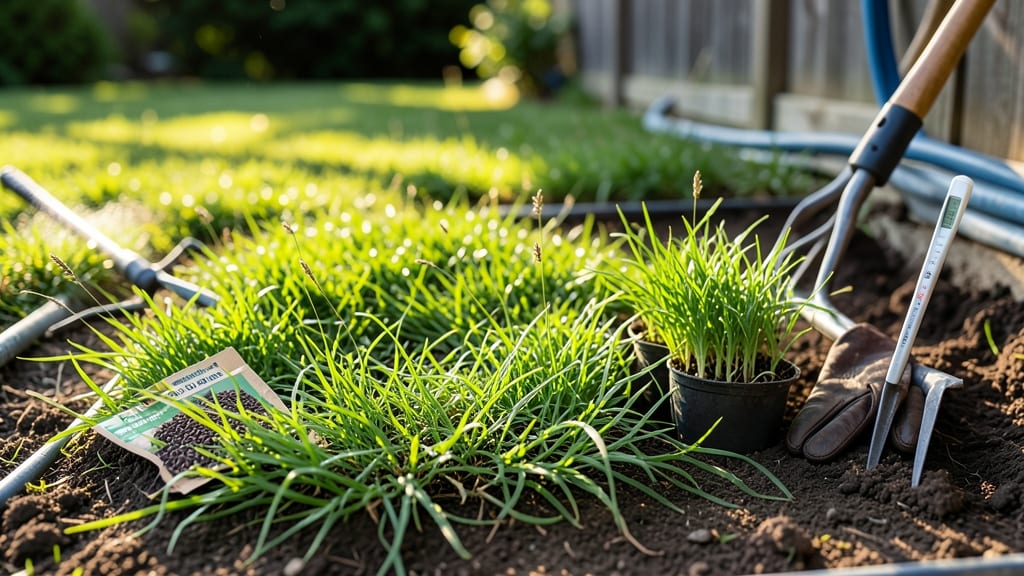
If you’ve ever watched your Bermuda Grass 🌱 struggle to take root in Mississippi’s brutal summer heat, you know when to plant Bermuda grass in Mississippi is everything. Planting too early risks frost damage, while waiting too long means battling drought before your lawn even stands a chance.
Mississippi’s 8a-9a climate gives you two critical windows—early spring (March-April) or late summer (August-September)—to get Bermuda Grass established before the real heat hits. But here’s the catch: the wrong move, and you’re staring at patchy, slow-growing grass by June.
I’ve helped Mississippi homeowners double their success rate by mastering these windows, and I’ll show you exactly how to time it right. From soil prep tricks to heat-zone adjustments, you’ll learn the fastest path to a thick, drought-resistant lawn.
Let’s cut to the chase: your lawn’s survival depends on these 4 key deadlines—and I’ll walk you through each step to hit them perfectly.
Best planting windows for Bermuda grass in Mississippi’s heat zones
Mississippi’s USDA zones 8a-9a create a unique challenge for Bermuda grass growers—too early, and frost can kill young plants; too late, and summer’s intensity stunts germination. The key is planting when soil temperatures hit 65°F (18°C), which typically aligns with early spring or late summer windows.
Let’s break down the best times for your region, whether you’re in northern Mississippi’s cooler microclimates or the southern heat zones.
For northern Mississippi (e.g., Tupelo, Oxford), aim for mid-March to early April. These areas experience later last frosts (around March 15), so waiting until soil warms ensures survival.
In southern Mississippi (e.g., Biloxi, Gulfport), you can start as early as late February, but be ready to protect seedlings if unexpected cold snaps hit. The second window, late August to September, works statewide and gives Bermuda grass a head start before winter dormancy.
Here’s how to adapt based on your location and climate quirks:
If you’re overseeding existing Bermuda grass, late summer (August) is your best bet. This timing lets new seeds establish roots before winter while avoiding the intense heat of July, which can dry out seeds before germination.
For new lawns, spring planting gives Bermuda grass 6-8 weeks to thicken before summer’s peak heat arrives.
Pro tip: Use a soil thermometer to confirm readiness—65°F (18°C) at 4 inches deep is your green light. If temperatures fluctuate, opt for sod over seeds; sod establishes faster and handles heat better.
For seeds, cover with 1/4-inch of soil and keep moist until sprouts appear (7-21 days, depending on variety).
Mississippi’s humidity and clay soils can slow germination, so don’t rush. Patience pays off—Bermuda grass planted at the right time will outcompete weeds and create a dense, drought-resistant lawn by summer’s end.
Just avoid planting in June or July; the heat will bake seeds into the soil before they sprout.
For renovation projects, late summer (August) is ideal. This timing allows you to aerate, overseed, and fertilize before winter dormancy, giving your lawn a fresh start in spring. If you’re in Zone 9a, you might even see fall germination before the first frost.
Remember: Bermuda grass is aggressive—once established, it spreads rapidly. But timing your planting right ensures it outperforms weeds and gives you a lush, low-maintenance lawn for years. Start with the right window, and you’ll be mowing a thick, green carpet by Memorial Day.
🌱
Best planting windows for Bermuda grass in Mississippi’s heat zones
Mississippi’s USDA Zones 8a-9a create two prime windows for planting Bermuda grass: early spring and late summer. The key is avoiding extreme heat or frost—both can stunt germination or kill young seedlings.
In northern Mississippi (closer to Zone 8a), aim for March 15-April 15, while southern regions (Zone 9a) can extend planting until mid-April.
For late summer planting, August-September is ideal when soil temperatures cool slightly. This window helps Bermuda grass establish before fall frosts (typically arriving by mid-November). However, avoid planting after September 15 in northern areas, as cooler nights slow growth.
🌱 Planting Windows by Region
| Region | Primary Window | Secondary Window | Soil Temp Requirement |
|---|---|---|---|
| Northern MS (Zone 8a) | March 15-April 15 | August 15-Sept 1 | 65°F+ (18°C+) |
| Southern MS (Zone 9a) | March 1-April 30 | August 1-Sept 15 | 65°F+ (18°C+) |
| Delta Region | March 15-April 20 | August 10-Sept 10 | 65°F+ (18°C+) |
Mississippi’s humidity and heat demand careful timing. Planting too early (before March 1) risks frost damage, while late spring planting (after April 30) may stress seedlings during 90°F+ dayssoil thermometer to confirm temperatures exceed 65°F (18°C)—this triggers consistent germination.
For sod installation, follow the same windows but allow 2-3 extra weeks for root establishment. Sod requires immediate moisture, so plan irrigation for 10-15 minutes daily the first week.
In southern Mississippi, sod can sometimes be laid as late as May 1, but expect slower fill-in during peak summer.
Mississippi’s microclimates matter—low-lying areas stay cooler longer, while south-facing slopes warm faster. Adjust planting dates by 1-2 weeks based on your yard’s exposure. Shade from trees can delay germination by 10-14 days, so test soil temperature in shaded spots separately.
Pro tip: Overseeding existing Bermuda grass in late summer (August) revitalizes thin patches. Use 1/4 lb of seed per 100 sqft and keep soil moist until new growth appears (3-4 weeks). This works best in Zone 9a where winters are milder.