
Plants
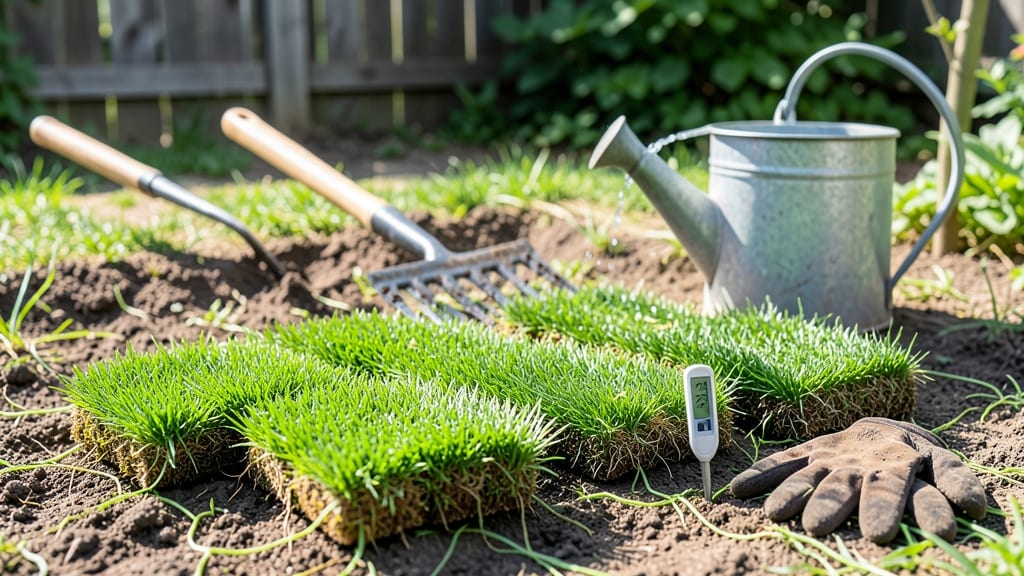
Planting Bermuda grass in Phoenix at the wrong time can turn your dream lawn into a sun-scorched memory—unless you nail the exact months for rapid root growth and heat resistance.
The key isn’t just avoiding winter’s chill (which Phoenix barely gets) but timing it when soil temperatures hit that sweet 65°F threshold, usually in late winter or early spring.
Why does this matter? Because Bermuda grass 🌱 thrives on heat, but it needs a strong foundation first. Plant too early, and you risk stressing the roots before they can establish.
Too late, and summer’s intensity will slow growth. Phoenix’s microclimates—like the Valley’s urban heat islands versus desert outskirts—can shift ideal timing by weeks, so local knowledge is your secret weapon.
In this guide, I’ll break down the best planting windows (spoiler: February-March is prime), the top heat-resistant varieties that dominate Phoenix lawns, and the critical mistakes that kill grass before it even starts.
No guesswork—just data-backed timing to give your lawn the competitive edge it needs to survive (and thrive) in 110°F+ summers.
Ready to transform your yard from "meh" to "wow"? Let’s dive into the science of planting Bermuda grass the right way—so you’re not left watering a desert in July.
Best months to plant Bermuda grass in Phoenix for maximum root growth
Phoenix’s USDA Zone 9b climate means you can plant Bermuda grass almost year-round, but timing makes all the difference for root establishment and heat resilience. The ideal window is late winter through early spring—specifically February to March—when soil temperatures hit 65°F+ and before summer’s 110°F+ heat arrives.
This gives your grass 6-8 weeks of warm-weather growth before peak heat stress.
Planting in late summer (August-September) is a secondary option, especially for sod installation. This allows roots to establish before winter’s mild chill, but avoid planting after October—cooler temps slow growth, leaving your lawn vulnerable to winter dieback.
Phoenix’s microclimates (urban vs. desert outskirts) can shift timing by 1-2 weeks, so adjust based on your yard’s specific heat exposure.
Here’s why February-March is the gold standard: soil stays warm enough for rapid germination (3-7 days for seed, 2-3 weeks for sod), while daylight hours increase (11+ hours by March).
This combo fuels deep root penetration, critical for surviving Phoenix’s drought conditions. Skipping this window risks shallow roots, which struggle when summer hits.
| Planting Window | Soil Temp Requirement | Root Establishment Speed | Drought Resilience |
|---|---|---|---|
| February-March | 65°F+ | 6-8 weeks to full establishment | High (deep roots) |
| August-September | 75°F+ | 4-6 weeks (faster in heat) | Moderate (risk of heat stress) |
| April or October | 55°F+ (April) / 60°F+ (Oct) | 8-12 weeks (slow growth) | Low (shallow roots) |
If you’re planting sod (pre-grown grass), March is your sweet spot—roots can knit together in 2-3 weeks before summer’s heat peaks. For seed, start in late February to give sprouts time to develop dense foliage before monsoon season (July-September) brings sudden downpours.
Test your soil’s moisture retention first; Phoenix’s alkaline soil (pH 7.5-8.5) drains fast, so amend with compost or gypsum if needed.
Pro tip: Use a soil thermometer to confirm temps—65°F is the magic number for germination.
Planting too early (January) risks cool-season weeds outcompeting your grass, while waiting until April delays root growth, leaving your lawn brown and patchy by June. Urban Phoenix areas (like Scottsdale) may need to plant 1-2 weeks earlier due to heat island effect, while desert outskirts (like Mesa) can stretch timing to mid-April.
Watering strategy is non-negotiable during establishment. After planting, water deeply 2x daily (early morning + late afternoon) for 10-14 days to encourage root depth. Once established, shift to 1-1.5 inches per week, all at dawn to minimize evaporation and fungal risk.
Avoid sprinklers—they waste water and promote shallow roots, which Bermuda grass hates.
Monitor your lawn’s color and texture: healthy Bermuda grass is deep green with a slightly waxy coating. If it turns blue-gray by midday, it’s heat-stressed—increase water slightly (but never flood).
By June, your grass should be fully established and ready to handle Phoenix’s 115°F+ summers with ease. Skip the fall planting myth—cool weather stalls growth, leaving your lawn vulnerable to winter browning.
For sod installation, roll out sheets on a cloudy day to reduce transplant shock. Stagger seams and overlap edges by 1-2 inches for a seamless look. Use a sharp knife to trim excess, then water immediately to activate roots.
Within 3 weeks, your sod should be fully anchored—resistant to foot traffic and Phoenix’s brutal sun.
Remember: Bermuda grass is a warm-season grass, meaning it goes dormant in winter (turning brown). Don’t panic—it’s not dead, just conserving energy. Spring green-up (March-April) signals success.
If your lawn stays brown past April 15, check for soil compaction or pH issues—common in Phoenix’s calcium-rich soil.
🌱
Best months to plant Bermuda grass in Phoenix for maximum root growth
Phoenix’s USDA Zone 9b climate means Bermuda grass can grow year-round, but timing is everything for rapid root establishment. Planting too early risks winter dieback, while waiting too late stresses young roots in 110°F+ heat.
The sweet spot? February through March when soil temps hit 65°F+—perfect for dormant-season planting that avoids extreme conditions.
Why these months? Early spring (Feb-Mar) gives your grass 6-8 weeks to develop deep roots before summer’s intensity. Late summer (Aug-Sept) is a secondary window for overseeding, but it’s riskier due to high evaporation rates.
Phoenix’s urban heat islands (like downtown) can be 5-10°F hotter than desert outskirts—adjust your schedule accordingly.
Optimal Planting Windows for Phoenix
| Season | Best Months | Soil Temp | Root Growth Speed |
|---|---|---|---|
| Spring | February–March | 65°F+ | ⚡ Fast (6-8 weeks) |
| Late Summer | August–September | 75°F+ | ⚠️ Slow (high heat risk) |
| Avoid | April–July | 85°F+ | ❌ Stressed roots |
Pro tip: Test soil temps with a soil thermometer (available at local nurseries like Bass Pro Shops). Aim for consistent 65°F+ at 4-inch depth—this triggers active root growth. If you’re planting sod, lay it on cool evenings (after 6 PM) to reduce heat shock.
For seed, wait until March to avoid winter kill from rare cold snaps.
Phoenix’s alkaline soil (pH 7.5-8.5) can stunt growth if unchecked. Two weeks before planting, amend soil with sulfur or peat moss to lower pH to 6.0-6.5—this boosts nutrient uptake and drought resistance. Skip this step, and you’ll see yellowing even with perfect timing.
Watering right after planting is non-negotiable. Deep water 1-1.5 inches twice weekly for the first 4 weeks to encourage deep root penetration. Use drip irrigation or soaker hoses to avoid surface evaporation.
Morning watering (4-8 AM) prevents fungal diseases like brown patch, a common issue in Phoenix’s humid summer nights.
Microclimates matter: Higher elevations (e.g., North Phoenix) may need 1-2 weeks later than downtown due to cooler nights. Monitor your yard’s sun exposure—south-facing areas dry out faster.
If your lawn has partial shade, choose a shade-tolerant variety like Riviera to avoid brown patches during peak sun.
Timing your Bermuda grass planting isn’t just about months—it’s about soil temp, microclimates, and watering discipline. Get it right, and you’ll have a lush, drought-resistant lawn by summer. Miss the window, and you’ll spend the season reviving stressed grass instead of enjoying it. 🌱☀️