
Fertilization
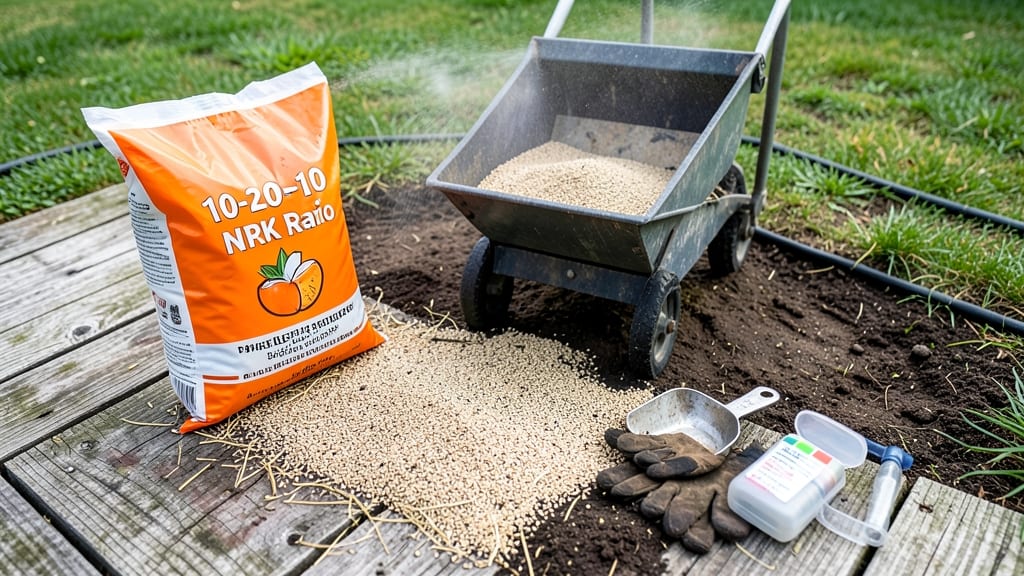
Timing your fertilizer application after planting grass seed can make or break your lawn's success. Waiting too long risks weak growth, while fertilizing too soon burns tender young shoots—so when exactly should you fertilize?
The 4-6 week rule is your best guide: this window ensures your 🌱 grass has rooted deeply enough to handle nutrients without stress. Rushing it can stifle germination, while waiting too long delays the strength your lawn needs to outcompete weeds.
Let’s break down the science behind this critical step and how to apply it perfectly for your climate.
You’ll learn how to spot when your seedlings are ready (hint: it’s not just about time), which fertilizers to avoid early on, and the simple application tricks that protect young roots.
Whether you’re seeding in spring or fall, these insights will help you skip the guesswork and get a thicker, greener lawn faster.
Common mistakes—like overwatering or using high-nitrogen blends too soon—can set back your progress for weeks. I’ll walk you through the exact signs to watch for, plus the best fertilizer types and application methods tailored to new grass. Ready to set your lawn up for long-term success?
The 4-6 week fertilization rule explained: why timing matters for grass seed
When you plant grass seed, the first few weeks are all about root establishment. Young grass roots are delicate and focus their energy on growing downward—not upward. Fertilizing too soon can burn these tender roots and stunt growth, leaving you with patchy, weak grass.
The 4-6 week rule exists for a reason: it gives your grass seed enough time to develop a strong root system before introducing extra nutrients.
Think of it like teaching a baby to walk. You wouldn’t hand them a backpack full of books—they need to learn balance first. Similarly, grass seedlings need to establish roots before they can handle the nutrient load from fertilizer.
Waiting ensures your lawn grows deep roots that can access water and nutrients on their own, leading to a healthier, more resilient lawn in the long run.
Here’s the science behind it: Grass seed germinates and grows best when soil temperatures are between 60-75°F. During this time, the seedling’s primary goal is to anchor itself in the soil.
Fertilizer, especially high-nitrogen blends, can create a salty soil environment that dehydrates young roots, slowing or even halting growth. The 4-6 week window aligns with when most grass varieties have developed a root system deep enough to handle fertilization without stress.
Soil conditions play a huge role in this timing. If your lawn is in sandy soil, roots may establish faster, and you could fertilize on the earlier side of the 4-6 week range.
Conversely, clay soil can slow root growth, so you might need to wait closer to 6 weeks. Always check soil moisture—dry soil can delay root development, while overly wet soil can suffocate roots and create anaerobic conditions that prevent nutrient uptake.
Another key factor is grass seed variety. Cool-season grasses like Kentucky bluegrass or fescue germinate faster in cooler temperatures and may be ready for fertilizer in as little as 3-4 weeks, while warm-season grasses like Bermuda or Zoysia take longer (closer to 6-8 weeks).
Always check the seed packet for specific recommendations, but the 4-6 week rule is a safe starting point for most varieties.
Pro tip: If you’re unsure whether your grass is ready, do the pull test. Gently grasp a small patch of grass and lift—if you can pull up a 1-inch root ball without resistance, your lawn is ready for fertilizer.
If the roots barely come up or break easily, wait another week or two. This simple test takes seconds and saves you from over-fertilizing.
Regional differences also matter. In warmer climates (USDA zones 8-10), grass grows faster, so you might fertilize on the earlier side of the range. In cooler climates (zones 3-6), slower growth means waiting closer to 6 weeks.
Always align your fertilization schedule with your local growing season—spring and fall are ideal for most lawns, while summer heat can stress young grass.
Remember, the goal isn’t just to feed your grass—it’s to build resilience. A lawn with deep roots can handle drought, pests, and foot traffic better than one that’s been over-fertilized too soon.
Think of the first 6 weeks as an investment in your lawn’s future health. Patience now means a thicker, greener lawn for years to come.
Once you’ve confirmed your grass is ready, choose a starter fertilizer with a lower nitrogen content (like 10-20-10) to avoid burning. Apply it in the early morning when temperatures are cooler, and water lightly afterward to help nutrients penetrate the soil.
This sets your new grass up for success without overwhelming it.
The 4-6 week fertilization rule explained: why timing matters for grass seed
Fertilizing grass seed too soon is like giving a baby a double espresso—it can cause more harm than good. The 4-6 week rule exists because young grass roots are delicate and need time to establish before absorbing nutrients.
During the first few weeks, your seed focuses on germination and root development, not rapid growth. Fertilizer salts can burn tender shoots or disrupt this critical process.
Think of it this way: your grass seed is like a newborn. You wouldn’t feed a baby solid food right after birth—you’d wait until they’re strong enough to handle it. The same logic applies here.
Waiting ensures the seed has developed a robust root system capable of handling nutrients without stress. This patience pays off with a thicker, healthier lawn in the long run.
Soil temperature plays a huge role in this timeline. If your soil is below 60°F, germination slows, and roots take longer to develop. In warmer climates (like USDA Zone 8+), you might see faster growth, but the 4-6 week window still applies.
Always check soil temperature with a soil thermometer—it’s your best friend for timing.
| Stage | Key Focus | Fertilizer Ready? |
|---|---|---|
| 0-2 Weeks | Germination & Root Start | ❌ No Fertilizer |
| 3-4 Weeks | Root Development & Early Growth | ⚠️ Light Starter Fertilizer (Optional) |
| 5-6 Weeks | Established Roots & Shoot Growth | ✅ Full Fertilizer Application |
One common mistake is assuming all fertilizers are safe at the same time. High-nitrogen fertilizers (like those labeled for lawns) can scorch young seedlings if applied too early.
Instead, opt for a low-nitrogen, high-phosphorus starter fertilizer (like 5-10-10) if you’re eager to give your grass a boost at the 3-week mark. Phosphorus helps roots grow stronger, setting the stage for future fertilization.
Weather conditions also shift this timeline. If you’ve had unusually heavy rain or drought, your grass might take longer to reach the 4-6 week mark. Always adjust based on what you see in your lawn.
For example, if your grass is patchy or uneven, hold off on fertilizer until it’s uniformly green and dense.
Pro tip: Mark your planting date on a calendar and set a reminder for the 4-6 week window. This ensures you don’t forget and risk over-fertilizing.
Once your grass hits this stage, you’re ready to apply a balanced fertilizer (like 16-4-8) to promote lush, even growth without harming those fragile roots.
Remember, rushing fertilization is like speeding through a red light—it might seem faster, but it often leads to crashes (or in this case, brown patches and weak growth). Patience is the key to a lawn that’s the envy of the neighborhood. 🌱