
Plants
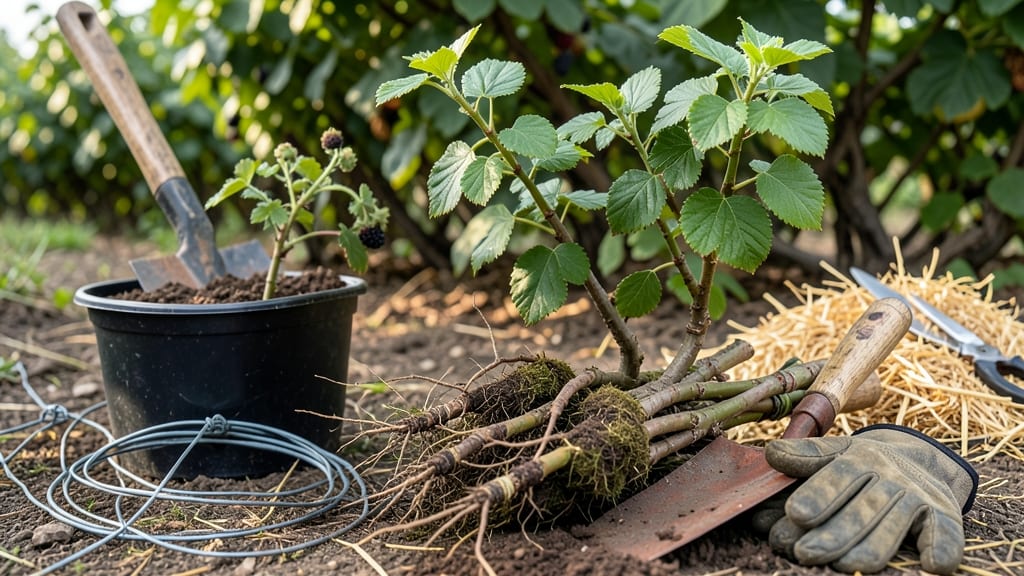
Timing your blackberry planting in North Carolina could make or break your harvest—get it wrong, and you're staring at weak canes that struggle to thrive. With USDA zones 7a-8b offering two prime windows (early spring or late fall), knowing exactly when to plant your 🫐 is the key to success.
Most gardeners in NC rush to plant too early, only to watch their canes suffer from frost or poor soil conditions. The secret? Waiting until soil temperatures hit 50°F or warmer in spring—or planting in late fall before the first frost.
This small adjustment can mean the difference between a thriving bramble and years of disappointment.
In this guide, I’ll break down the exact months for your zone, how to prepare your soil, and why some varieties (like thornless blackberries) need extra care. Whether you’re in the coastal plains or the Piedmont region, you’ll learn how to time your planting perfectly for maximum growth.
Ready to grow blackberries that produce bountiful harvests every season? Let’s get started with the steps that actually work for NC’s climate.
Best planting months for blackberries in NC by hardiness zone
North Carolina's USDA hardiness zones 7a-8b create two ideal windows for planting blackberries: early spring and late fall. These timing choices help your canes establish strong roots before summer heat or winter frost arrives.
Let's break down the best months for each zone and how to adjust for your specific microclimate.
For zone 7a (western NC mountains), aim for February-March planting when soil temperatures reach 50°F+. In zone 8b (coastal areas), you can plant slightly later—March-April—since frost dates are later. Fall planting works best in October-November across all zones, giving canes time to root before winter dormancy.
Your local last frost date is critical—plant at least 2-3 weeks before to avoid frost damage. In NC, this typically means mid-March for most regions, but check your specific county's frost data for precision.
For example, Asheville's last frost averages March 15, while Wilmington's is closer to March 25.
Microclimates matter! Coastal areas stay warmer longer, while mountain regions cool faster. If you're in a warmer microclimate (like near the coast), you might extend spring planting to early April. In cooler mountain valleys, stick to February-March for best results.
| Zone | Best Spring Months | Best Fall Months | Soil Temp Requirement | Key Consideration |
|---|---|---|---|---|
| 7a (Mountains) | February-March | October-November | 50°F+ | Frost risk until late March |
| 7b (Piedmont) | March-April | October-November | 55°F+ | Moderate humidity |
| 8a (Coastal) | March-April | November | 60°F+ | Warmer winters |
| 8b (Outer Banks) | April | November | 65°F+ | Salt spray tolerance |
Spring planting gives your blackberries 6-8 weeks to establish roots before summer heat arrives. Start with bare-root canes and plant them at the same depth they were growing previously. For fall planting, choose dormant canes and aim to finish by mid-November to allow root establishment before winter.
If you're planting thornless varieties, prioritize spring planting—they establish more quickly and produce fruit sooner. Traditional thorny varieties can handle both spring and fall planting but may take an extra year to fruit when planted in fall. Always space canes 4-6 feet apart for airflow and easier harvesting.
For container growing, plant in late spring (April-May) when soil temperatures are consistently warm. Use large pots with drainage holes and keep them in full sun. Container-grown blackberries may need winter protection in zones 7a-7b, using insulating wraps or moving pots to sheltered locations.
Remember that soil temperature is more important than air temperature. Use a soil thermometer to confirm 50°F+ before planting. If your soil is still cold, wait another week—rushing can lead to poor root establishment and winter dieback.
Pro tip: If you miss the ideal window, late winter (January) can work in zones 8a-8b, but cover young plants with frost cloth if nights dip below 32°F. Always mulch heavily after planting to retain moisture and regulate soil temperature.
Critical soil and climate conditions for successful blackberry planting
North Carolina’s diverse climate—from the coastal plains to the mountain regions—means your blackberry planting success hinges on understanding soil temperature and microclimates. Before digging in, check that soil temps reach at least 60°F (15°C) for spring planting or cool to 50-60°F (10-15°C) for fall.
Cold soil slows root growth, leading to weak canes that struggle in NC’s humid summers.
Blackberries thrive in well-draining soil with a slightly acidic pH (5.5-6.5). Test your soil—NC’s clay-heavy soils often need organic matter like compost or pine bark fines to improve drainage.
Sandy soils in the coastal zone may require mulch to retain moisture, while mountain regions benefit from raised beds to prevent waterlogging.