
Plants
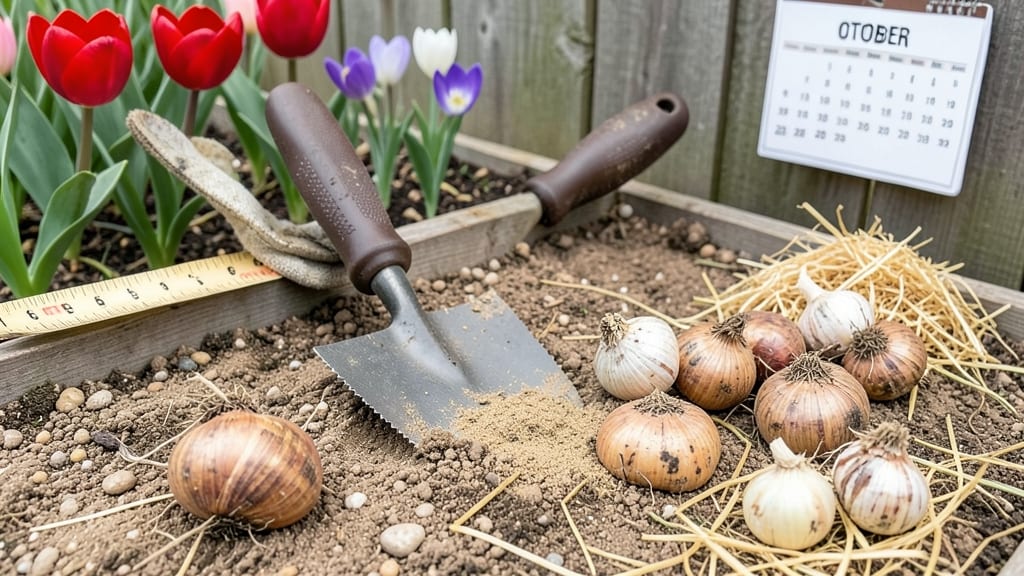
Timing your bulbs planting in Utah isn't just about picking a month—it's about syncing with nature's rhythm to avoid frost surprises and maximize those vibrant spring blooms.
Whether you're in the cooler Zone 5 of Park City or the warmer Zone 7 of St. George, getting it right means the difference between a garden full of life and one left waiting for next year.
I've seen too many Utah gardeners rush planting in September only to watch their 🌱 bulbs freeze before winter sets in. The key? Understanding your specific microclimate—whether that's the high desert's quick temperature drops or the valley's urban heat islands.
Let me walk you through the exact windows that work for your region, so you can plant with confidence and watch your garden explode with color come spring.
We'll cover everything from the ideal fall planting months (hint: it's not just October!) to how to adjust for late-spring frosts that can sneak up even in Zone 8.
You'll learn which bulbs thrive best in Utah's soil, how deep to plant them, and when to stop watering before winter dormancy begins. No more guesswork—just a foolproof system tailored to Utah's unique growing conditions.
By the end, you'll know exactly when to dig in your tulips, daffodils, and hyacinths for the most stunning displays, plus how to troubleshoot common mistakes that even experienced gardeners make. Ready to transform your yard into a springtime showstopper? Let's get those bulbs in the ground the right way.
Utah’s ideal bulb planting calendar by Zone 4-5 months
Utah’s Zone 4-5 climate means timing is everything for spring-blooming bulbs. Plant too early, and a late frost can kill tender shoots. Too late, and your bulbs won’t establish roots before winter.
For Salt Lake City, Ogden, and Provo, aim for September through November for fall planting—this gives bulbs time to root before the ground freezes.
Most spring-flowering bulbs like tulips, daffodils, and hyacinths need 6-8 weeks before the first frost to settle in. In Utah, that’s typically mid-September to early November, depending on elevation.
For example, Park City’s higher altitude (Zone 5) may shift your window slightly later than the Salt Lake Valley’s Zone 4.
If you missed fall planting, don’t worry—early spring planting (March to April) works for many bulbs, though it may delay blooming. Just ensure the soil is workable and frost-free. For summer-blooming bulbs like dahlias, wait until after the last frost (usually mid-May in most of Utah).
Here’s a quick reference for Utah’s frost dates to guide your timing:
| Bulb Type | Fall Planting Window | Spring Planting Window | Bloom Time |
|---|---|---|---|
| Tulips | September 15 - October 15 | March 1 - April 15 | March - May |
| Daffodils | September 1 - November 1 | March 15 - April 30 | March - April |
| Hyacinths | September 15 - October 30 | April 1 - May 15 | April - May |
| Crocuses | September 1 - October 15 | March 1 - April 1 | February - March |
| Alliums | September 15 - October 30 | March 15 - April 30 | May - June |
For Zone 4 areas like the Salt Lake Valley, the first frost typically hits mid-October, so aim to plant by early October. In higher elevations (Zone 5), like Park City, the frost comes earlier—late September—so plant by mid-September.
Always check your local USU Extension frost date forecasts for precision.
Pro tip: Use a soil thermometer to confirm the ground is below 60°F before planting in fall. This ensures bulbs won’t sprout too soon. In sandy soils (common in Utah’s desert regions), plant bulbs deeper (3x their height) to retain moisture.
In clay-heavy soils, like those in Ogden’s valleys, amend with compost to improve drainage.
If you’re in a microclimate with warmer winters (e.g., St. George’s Zone 7), you can plant bulbs later—even into December. But for Zone 4-5 Utah, stick to the September-November window for best results.
For spring planting, wait until the soil is workable (usually March-April) and frost-free.
Remember, bulb size matters. Larger bulbs (like 12-inch tulips) need 6-8 inches of soil above them, while smaller bulbs (like grape hyacinths) only need 3-4 inches. Planting too shallow can expose bulbs to frost heave or drought stress.
Finally, label your bulbs if planting a mix of varieties. Utah’s late-spring frosts (even in May!) can surprise gardeners, so knowing what’s planted helps you protect vulnerable blooms with frost cloth if needed.
How to adjust planting for Utah’s microclimates and soil conditions
Utah’s diverse landscapes—from the Wasatch Front’s urban heat islands to Park City’s high-altitude chill—create unique challenges for bulb planting. Adjusting your approach based on your local microclimate ensures your tulips, daffodils, and hyacinths thrive despite Utah’s variable frost dates and soil types.
High-altitude areas like Park City (Zone 5) experience earlier frosts, so plant fall bulbs by mid-September to avoid winter damage. Meanwhile, Salt Lake Valley’s urban heat can delay first frosts, giving you until late October in most years.
Soil type plays a critical role too. Clay-heavy soils in areas like Ogden retain moisture longer, risking bulb rot, while sandy soils in desert regions dry out faster, needing extra watering. Amend both with compost or perlite to improve drainage and nutrient retention.
Microclimate Adjustments for Utah Bulbs
Plant fall bulbs by late October; use shade cloth for summer bulbs.
Plant by mid-September; add extra mulch for insulation.
Plant spring bulbs in February; water deeply weekly.
Amend with perlite; plant deeper (6" minimum).
For clay soils, mix in organic matter like compost or coconut coir to improve drainage. In sandy soils, incorporate peat moss or aged manure to retain moisture. Always plant bulbs 2-3 times their height deep—this protects them from temperature fluctuations and drought stress.
Mulching is your best friend in Utah’s unpredictable winters. Apply a 3-inch layer of straw or shredded leaves after planting to insulate bulbs from freeze-thaw cycles. In urban areas, where heat islands delay frost, use lightweight mulch like pine needles to avoid smothering bulbs.
Protect vulnerable bulbs with frost blankets during late-spring frosts (common in April). Cover tender varieties like tulips with burlap or row covers when nighttime temps drop below 32°F. Remove covers by 10 AM to prevent overheating.