
Plants
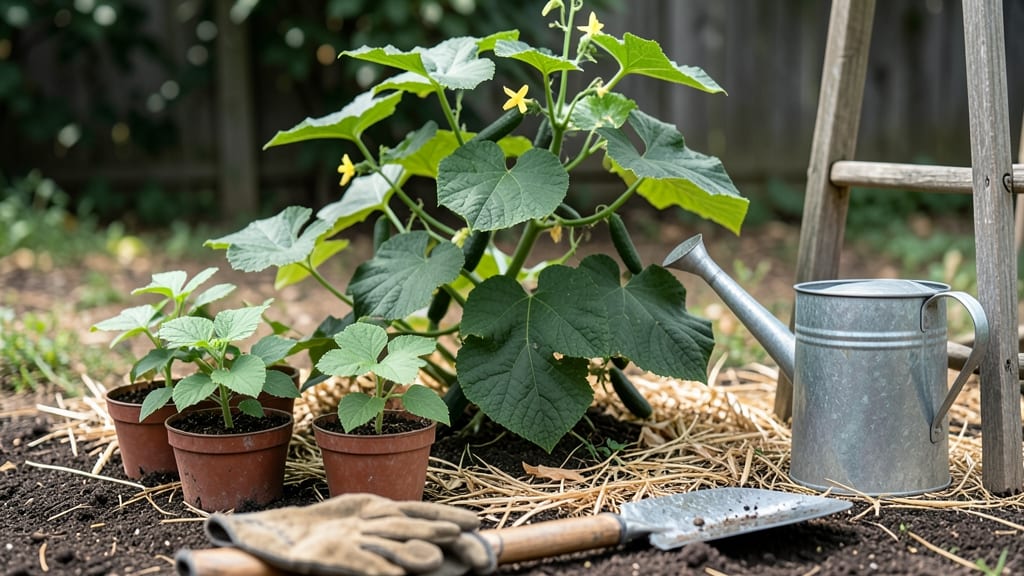
Figuring out when to plant cucumbers in Zone 9 can feel like a guessing game—one wrong move and you’re left with wilted vines instead of crisp, juicy 🥒.
But here’s the secret: timing isn’t just about months, it’s about beating the heat while giving your plants the best shot at thriving.
Zone 9’s long, hot summers mean traditional spring planting often backfires—your cucumbers bolt or burn before producing. That’s why the real magic happens in late summer, when temperatures start cooling just enough for these heat-sensitive plants to flourish.
Think of it as a second chance for a harvest that’ll last until fall.
I’ve grown cucumbers in this climate for years, and the difference between a mediocre patch and a garden overflowing with 🥒 comes down to two things: variety selection and strategic planting windows.
You’ll discover exactly which months work best—and why skipping the wrong ones could mean the difference between a few sad cucumbers and a bushel of homegrown goodness.
Ready to turn your Zone 9 garden into a cucumber powerhouse? Let’s dive into the exact timing, heat-resistant varieties, and pro tips that’ll have you harvesting like a local by summer’s end.
Best planting months for cucumbers in Zone 9: exact timing for maximum yield
In Zone 9, cucumbers thrive when planted at the right time—too early and they bolt in the heat, too late and you miss the summer harvest window.
The key is timing your plantings to align with soil temperatures above 60°F and avoiding peak summer heat (July-August) when days exceed 95°F.
Most Zone 9 gardeners succeed with two planting windows: early spring (February-March) and late summer (August-September). Each strategy has unique benefits—spring plantings give you an early harvest, while fall plantings extend your season into cooler months. Let’s break down the exact timing for each approach.
📌 Pro Tip: Use a soil thermometer to confirm temperatures before planting. Cucumbers won’t germinate well below 60°F, even if air temps are warmer. In desert areas like Phoenix, black plastic mulch can raise soil temps by 5-10°F, giving you an earlier start.
🌱 Zone 9 Cucumber Planting Timeline
- 📅 February-March (Early Spring): Plant 4-6 weeks before last frost (typically mid-January in most of Zone 9). Ideal for coastal areas with milder winters.
- 📅 August (Late Summer): Sow seeds 6-8 weeks before first frost (aim for early August). Perfect for desert climates where spring heat arrives early.
- 📅 September (Fall): For a second harvest, plant in early September. Use heat-tolerant varieties like 'Straight Eight' to extend production.
- ⚠️ Avoid June-July: Extreme heat causes poor germination and bitter fruit. If planting in summer, use shade cloth (30-50%) and mulch heavily.
- 🌡️ Soil Temp Check: Wait until soil reaches 60°F+ at 2 inches deep. In Phoenix, this often means waiting until mid-March for spring plantings.
For spring plantings, start seeds indoors 3-4 weeks before transplanting (around mid-February) to give seedlings a head start. Harden them off for 7-10 days before moving to the garden.
In coastal Zone 9 (e.g., San Diego), you can plant as early as late January, but inland areas should wait until March.
If you’re in a desert microclimate (e.g., Phoenix, Tucson), focus on late summer plantings. The key is to beat the first frost (rare but possible in December) while avoiding the hottest months.
Plant seeds directly in the garden in early August, when daytime highs start to drop below 100°F.
💡 Succession Planting Tip: In Zone 9, you can squeeze in 3 harvests per year by staggering plantings every 2-3 weeks. For example:
- First planting: March 1 (harvest April-June)
- Second planting: June 15 (harvest July-August, with shade cloth)
- Third planting: August 15 (harvest September-October)
One common mistake in Zone 9 is assuming cucumbers can handle any heat. While they’re heat-tolerant, prolonged exposure to above 95°F leads to bitter fruit, poor pollination, and stunted growth.
To mitigate this, use drip irrigation to keep foliage dry, apply mulch (straw or black plastic), and choose bush varieties that mature faster.
For container growers, timing shifts slightly. Plant cucumbers in 5-gallon+ pots in late March or early September, ensuring containers get full sun and are moved to shaded areas during peak afternoon heat. Dwarf varieties like 'Bush Champion' are ideal for containers in Zone 9.
Finally, always monitor your local microclimate. Coastal areas (e.g., Santa Barbara) can plant 2 months earlier than desert regions (e.g., Las Vegas). Check your USDA Zone 9a vs. 9b—cooler 9a areas (e.g., San Francisco Bay) have more flexibility, while hotter 9b zones (e.g., Phoenix) must time plantings precisely.
Best planting months for cucumbers in Zone 9: exact timing for maximum yield
In Zone 9, cucumbers thrive when planted strategically to avoid extreme heat and bolt early. The two best windows are late winter/early spring and late summer, each offering unique advantages for your harvest.
For spring planting, aim for February to March when soil temperatures reach 60°F+. This timing lets cucumbers mature before summer’s peak heat arrives. In contrast, late summer planting (August-September) extends your harvest into fall, avoiding the hottest months.
Here’s the exact timing breakdown to maximize your cucumber yield in Zone 9’s climate:
- February: Start seeds indoors or sow directly in warmed soil (use black plastic mulch). Ideal for bush varieties that mature quickly.
- March: Transplant seedlings outdoors after last frost (January 15 in most of Zone 9). Choose heat-tolerant varieties like 'Straight Eight' or 'Marketmore'.
- April: Expect first harvests. Monitor for powdery mildew—water at soil level to prevent fungal issues.
- August: Sow seeds directly in well-draining soil. Use shade cloth (30-50%) to protect seedlings from intense afternoon sun.
- September: Transplant if starting indoors. Focus on vining varieties like 'Lemon Cucumber' for trellised growth.
- October: Harvest before first frost (Dec 15). Succession plant every 2 weeks for continuous yields.
Avoid planting in June-July—soil and air temperatures often exceed 90°F, causing cucumbers to bolt prematurely or produce bitter fruit.
In desert microclimates (e.g., Phoenix, Tucson), push spring planting to late March to escape summer’s 110°F+ heat. For coastal areas (e.g., San Diego), February planting works well due to milder conditions.
Pro tip: Use a soil thermometer to confirm 60°F+ soil temps before planting. Cold soil delays germination and weakens seedlings. Pair this with drip irrigation to maintain consistent moisture without overhead watering.
With these precise planting windows, you’ll avoid the Zone 9 heat pitfalls and enjoy cucumbers from spring to fall. The key is timing + variety selection—we’ll cover top heat-resistant picks next! 🥒