
Plants
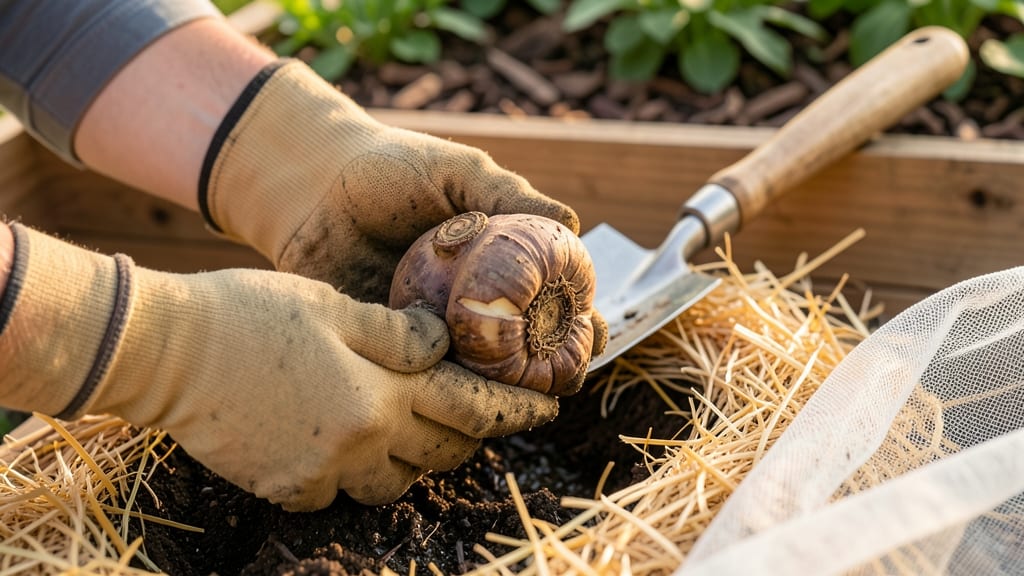
Timing when to plant dahlias in Zone 8b just right can mean the difference between vibrant blooms and struggling tubers. Plant too early, and you risk frost damage; too late, and your dahlias might never reach their full potential.
The key to fast, healthy growth lies in understanding your soil's hidden temperature cues and the best window to get those tubers in the ground.
In Zone 8b (think Southern California or parts of Texas), late March to early April is your sweet spot for planting dahlias. But why? Because soil temperatures need to hit that perfect range of 50-60°F for roots to establish quickly.
I’ll show you exactly how to test your soil and avoid common mistakes that slow down growth.
You might think all dahlias are the same, but the truth is, fast blooms depend on proper timing and care.
Whether you're starting with tubers or transplants, I’ll break down the exact steps to give your dahlias the best start—so you can enjoy those stunning flowers from July right through the first frost.
Ready to transform your garden? Let’s dive into the secrets of planting dahlias in Zone 8b for a show-stopping display that’ll make your neighbors green with envy.
Optimal soil temperature for planting dahlias in Zone 8b
Zone 8b gardeners know timing is everything—especially for dahlias, which need warm soil to thrive. The ideal soil temperature for planting dahlia tubers is between 50–60°F. Below 50°F, tubers struggle to sprout, while above 60°F, they risk drying out or rotting.
This window typically aligns with late March to early April in most of Zone 8b.
Why does soil temperature matter so much? Dahlias are tender perennials that store energy in their tubers. When soil is too cold, root growth slows, delaying your first blooms by weeks.
Conversely, planting too early in chilly soil can trigger fungal diseases like rot, which thrive in damp, cool conditions. The key is balancing warmth with moisture—dahlias hate soggy soil but need consistent hydration to establish roots.
To test your soil temperature, use a soil thermometer (available for under $10). Insert it 4–6 inches deep—the depth where you’ll plant your tubers—and check readings in the morning.
If it’s below 50°F, wait 1–2 weeks. If it’s above 60°F, consider shading the soil with mulch or planting in partial shade to buffer heat stress.
Here’s the critical rule: Plant dahlias when your soil hits 55°F consistently for 3–5 days. This ensures tubers wake up from dormancy and start growing roots without stress.
In Southern California, this often means mid-to-late March, while in Georgia or South Carolina, you might aim for early April. Always check your local last frost date—Zone 8b’s average is around February 15, but microclimates vary.
🌱 Dahlias in Zone 8b: Soil & Planting Essentials
| Factor | Zone 8b Specification | Pro Tip |
|---|---|---|
| Soil Temperature | 50–60°F (10–15°C) | Use a thermometer; wait for 3+ days of consistency. |
| Planting Depth | 4–6 inches | Eyes (growth nodes) should face up; cover with 2–3 inches of soil first. |
| Spacing | 12–18 inches apart | Dwarf varieties: 12 inches; standard/tall: 18 inches. |
| Soil pH | 6.0–7.0 | Test with a kit; amend with lime (raise pH) or sulfur (lower pH). |
| Mulch Type | Straw or shredded leaves | Apply 2–3 inches after planting to retain moisture and regulate temperature. |
Spring planting is the gold standard for dahlias in Zone 8b, but some gardeners experiment with fall planting—a riskier strategy. If you choose fall, plant tubers 8–10 weeks before your first frost (typically by early September in Zone 8b).
The goal is to give roots time to establish before winter dormancy. However, fall-planted dahlias often bloom later or produce fewer flowers, so spring is ideal for beginners.
One common mistake is planting tubers too deep or too shallow. Bury them 4–6 inches deep, with the eyes (growth nodes) facing upward. If you plant too shallow, tubers may dry out; too deep, and they’ll rot.
After planting, water deeply but gently—aim for 1–2 inches of soil moisture without creating puddles. Use a soaker hose to avoid disturbing the soil around delicate sprouts.
Zone 8b’s mild winters mean you can also start tubers indoors 6–8 weeks before your target outdoor planting date. Use well-draining potting mix and keep them in a bright, warm spot (70°F).
Once sprouts reach 4–6 inches, harden them off by moving them outdoors during the day for 1–2 weeks before transplanting. This head start can extend your blooming season by 2–3 weeks!
Remember: Soil temperature > air temperature when deciding to plant. A sunny 70°F day might feel perfect, but if your soil is still 45°F, your dahlias will suffer. Always prioritize root-zone warmth over air temperature for best results.
With the right timing, your dahlias will reward you with vibrant blooms from July through frost—a true Zone 8b highlight!
🌼
Optimal soil temperature for planting dahlias in Zone 8b
Zone 8b gardeners have a unique advantage with dahlias—their mild winters let you plant tubers earlier than northern zones. But timing isn't just about frost dates; soil temperature is the real game-changer.
Dahlias need soil that's warmed to 50-60°F before planting, or their roots will linger and rot instead of growing.
Cold soil (below 50°F) shocks tuber cells, delaying growth by 3-4 weeks. In Zone 8b, this typically means waiting until mid-to-late March for most areas, though coastal regions (like Southern California) can plant as early as February.
Use a soil thermometer to check—plant only when temps consistently stay above 55°F for 3+ days.
🌱 Dahlia Soil Temperature Quick Guide
| Condition | Zone 8b Action | Risk if Ignored |
|---|---|---|
| Soil <50°F | WAIT. Chit tubers indoors first. | Root rot, stunted growth |
| 50-55°F | Plant shallow (3-4"). Mulch heavily. | Slow emergence, fungal risk |
| 55-60°F | IDEAL. Plant at full depth (6"). | None (optimal conditions) |
| >60°F | Plant ASAP. Use shade cloth if >75°F. | Heat stress, bolting |
Spring vs. fall planting in Zone 8b? Spring wins every time. Fall-planted tubers often sprout too early, then get fried by summer heat before blooming. If you must plant in fall (for late-season varieties), do it no later than September—and use black plastic mulch to insulate roots.
Pro tip: Pre-warm your soil 1-2 weeks before planting by covering beds with clear plastic sheeting. This raises temps by 5-10°F, letting you plant 2 weeks earlier without risk. Just remove the plastic 24 hours before planting to avoid shocking tubers.
Watch for false springs—those unseasonable warm spells in February that trick you into planting too soon. Dahlias planted in 40-45°F soil will refuse to grow until temps rise again, wasting precious weeks. Wait for consistency, not just a single warm day.
Remember: Zone 8b’s long growing season means you can plant dahlias twice—once in spring (for summer blooms) and again in late summer (for fall color). But the first planting always gets the biggest, healthiest blooms because the plant has 6+ months to establish roots.