
Plants
Timing your rye grass planting in South Carolina can mean the difference between a lush winter cover crop and wasted seed. With USDA zones 7b-8b and unpredictable fall weather, knowing exactly when to plant is the key to success.
Fall is the prime window for planting 🌾 rye grass, but getting it right requires understanding your local microclimate. Whether you're in the coastal lowlands or the Piedmont hills, the ideal planting window stretches from August through October, giving seeds time to establish before frost hits.
Planting too early in summer heat stresses young seedlings, while waiting too long risks frost before germination. I'll break down the perfect timing for your specific zone and share pro tips to ensure fast, reliable growth.
Let's dive into the exact steps to plant rye grass at the optimal time for your South Carolina lawn, so you can enjoy that thick, protective cover all winter long.
Optimal planting windows for rye grass in South Carolina by climate Zone
Timing your rye grass planting in South Carolina depends heavily on your climate zone, with Coastal, Piedmont, and Mountain regions each offering unique windows. The ideal soil temperature for germination is 50-65°F, which typically arrives in late summer and lingers into early fall.
For Coastal SC (USDA Zone 8a-8b), the best planting window stretches from mid-August to mid-October, taking advantage of milder temperatures and higher humidity.
Inland Piedmont areas (Zone 7b-8a) should aim for late August through September, while Mountain regions (Zone 7a-7b) can plant slightly later, from September to early October.
Here’s how these zones compare for rye grass planting success:
In Coastal SC, aim to plant 4-6 weeks before the first frost (typically mid-November), while Piedmont gardeners should finish by October 15 to avoid winter dormancy. Mountain regions may need to rush planting by early October due to colder nights.
For spring planting, all zones can attempt overseeding in March, but success depends on soil warming—wait until soil temps hit 55°F consistently. Coastal areas may see earlier germination (by late February), while Mountains lag until April.
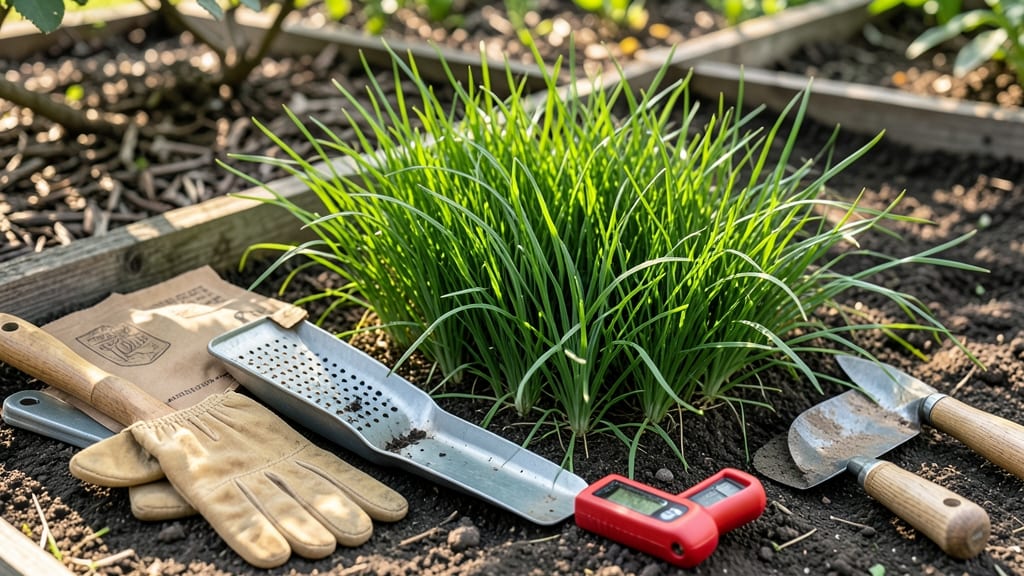
Pro tip: Use a soil thermometer to confirm ideal planting temps. If temps dip below 50°F, germination slows dramatically, risking weak stands. Morning planting is best to avoid afternoon heat stress on newly sown seeds.
🌾
5 Key factors that determine the best planting time for rye grass in SC
Timing your rye grass planting in South Carolina isn’t just about picking a month—it’s about understanding how local climate factors interact. The first frost date (usually mid-November) sets the deadline for fall planting, but soil temperature, rainfall, and even humidity play equally critical roles in germination success.
For example, soil temperatures below 60°F slow germination, while consistent moisture is non-negotiable. In USDA zones 7b-8b, these factors shift slightly between coastal, Piedmont, and mountain regions—meaning your neighbor’s perfect timing might fail in your yard.
Here are the 5 critical factors that dictate when to plant rye grass in SC, ranked by impact:
Plant 4-6 weeks before the average first frost (mid-November in SC) to ensure establishment before winter.
Ideal germination occurs at 60-75°F. Fall soil temps in SC drop below this by late October in inland areas.
SC’s September-October is the wettest period—perfect for watering needs, but too much rain can delay planting.
High humidity (common in SC summers) can cause fungal diseases—avoid planting when humidity exceeds 70%.
Rye grass needs 6+ hours of sun daily. Shady spots (common in Piedmont forests) reduce growth by 30-50%.
Pro tip: Use a soil thermometer to confirm temps—many SC gardeners in Zone 8a wait until early October to plant, while coastal Zone 8b areas can start as late as mid-October. Adjust for your microclimate!
Ignoring these factors is how you end up with sparse coverage or seed that rot before sprouting. For example, planting in late November (after frost) means the grass won’t establish roots before winter dormancy—wasting your seed investment.
Next, we’ll cover how to extend your rye grass season in SC by avoiding these common pitfalls—like the 3-week window most gardeners miss for late fall planting.