
Plants
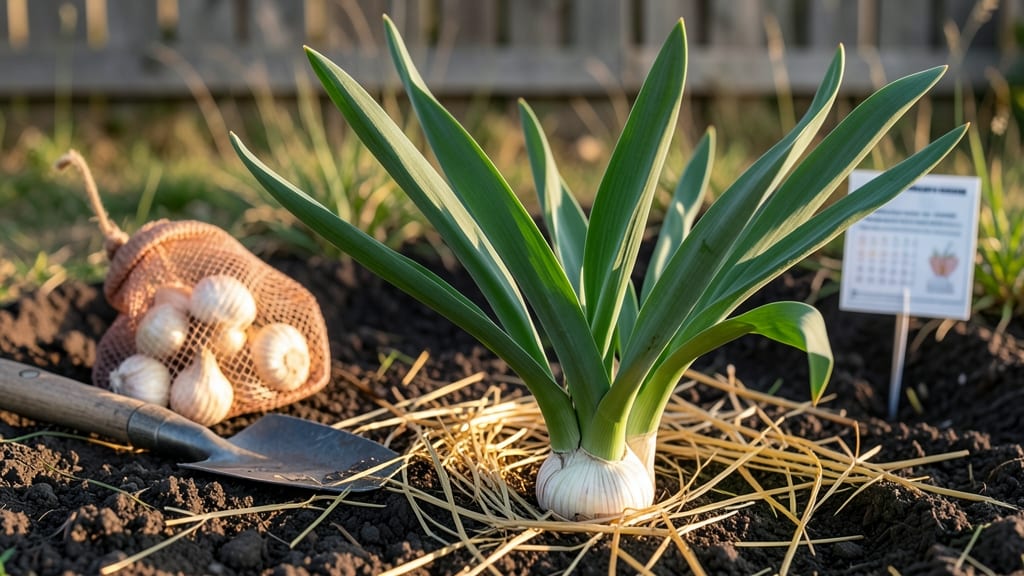
Timing your garlic planting in Pennsylvania could mean the difference between a meager harvest and a bountiful crop of flavorful 🧄 bulbs. With two main types—hardneck and softneck—getting the schedule right is key, especially in zones 5b-7a, where frost dates shift faster than you’d expect.
Most gardeners in Pennsylvania know fall is the prime time, but did you know planting in October or November gives hardneck varieties the cold they need to form robust bulbs?
Meanwhile, softneck types can handle a March start, though timing depends on your local microclimate—think Pittsburgh’s chill versus Philadelphia’s milder winters.
I’ll break down the exact window for each type, including how to adjust for soil conditions and frost dates. Whether you’re a first-timer or a seasoned grower, these tips will help you avoid common mistakes and maximize your yield.
Ready to grow the best garlic Pennsylvania has to offer? Let’s dive into the optimal planting schedule and why it matters more than you think.
Best planting months for hardneck vs softneck garlic in Pennsylvania
Pennsylvania’s USDA Zones 5b-7a create a perfect climate for growing both hardneck and softneck garlic, but timing is everything. Planting too early or late can stunt bulb development, so understanding the differences between these varieties is key to maximizing your harvest.
In Pennsylvania, fall planting is ideal, but the exact window varies depending on whether you’re growing hardneck or softneck varieties.
Hardneck garlic thrives in Pennsylvania’s cooler climate and is the preferred choice for most gardeners. It requires cold exposure to form bulbs, making it best suited for fall planting between October and November.
Softneck garlic, on the other hand, is more adaptable and can be planted a bit later in the season, typically from late October to early December. However, softneck varieties are less common in Pennsylvania gardens and are often chosen for their longer storage life rather than flavor.
For both varieties, the goal is to plant 4-6 weeks before the ground freezes. In most of Pennsylvania, this means aiming for mid-October to early November.
If you miss this window, you can still plant garlic in early spring (March), though the yield and bulb size may be smaller. Spring-planted garlic is less common but can be a good option if you’re growing softneck varieties or have limited fall planting time.
Here’s a quick breakdown of the best planting months for each variety in Pennsylvania:
If you’re planting in Pittsburgh or the western part of the state, where winters are colder, aim for the earlier end of the fall planting window (mid-October). In Philadelphia or southeastern Pennsylvania, where winters are milder, you can plant as late as early November.
Always check your local last frost date—typically around October 15 in most of Pennsylvania—to ensure your garlic has enough time to establish roots before winter sets in.
Another factor to consider is soil temperature. Garlic cloves should be planted in soil that’s 40-50°F. If you plant too early and the soil is still warm, the cloves may sprout prematurely and struggle to survive the winter.
Use a soil thermometer to check temperatures before planting to avoid this common mistake.
For gardeners in raised beds or containers, timing can be slightly more flexible. These environments warm up faster in spring and cool down more quickly in fall, so you may need to adjust your planting window by a week or two earlier.
Always ensure your container has good drainage to prevent waterlogging, which can rot garlic cloves during winter.
Once you’ve planted your garlic, mulch heavily with straw or leaves to protect the cloves from freezing temperatures. This extra layer of insulation can help extend your planting window by a few weeks, giving you more flexibility if you’re on the later end of the recommended schedule.
Mulching also helps retain moisture and suppresses weeds, making your garlic care easier in the long run.
Finally, remember that hardneck garlic is the star of Pennsylvania gardens, prized for its bold flavor and the scape (the curly stem that appears in spring).
If you’re growing hardneck varieties, you can harvest the scapes in early summer for a bonus crop, then let the bulbs mature for a late-summer harvest. Softneck garlic, while less common, is still worth growing if you prefer varieties like Silverskin, which store well for up to a year.
With the right timing and a little preparation, you’ll be well on your way to growing plump, flavorful garlic bulbs that will elevate your cooking and impress your neighbors. Happy planting! 🧄
How to adjust planting time for Pennsylvania’s frost dates and soil conditions
Pennsylvania’s USDA zones 5b-7a mean frost dates vary dramatically—from late April in Philadelphia to early May in Pittsburgh. To nail your garlic timing, aim to plant 4-6 weeks before the ground freezes, typically between mid-October and mid-November.
Use your local average first frost date (around October 15) as your anchor point.
Soil temperature is just as critical as frost dates. Garlic cloves need soil between 40°F and 50°F to sprout successfully. In colder zones (like Erie or State College), plant earlier in September or early October to avoid winter dormancy.
Warmer microclimates (like Lancaster) can wait until late October.
🚨 CRITICAL: If your soil stays warm too long (common in raised beds or southern PA), garlic may sprout too early and get damaged by freezing temperatures. Use a soil thermometer to check—50°F or cooler is ideal for planting.
⚠️ Warning: Planting Too Late or Too Early
Planting after November 15 risks poor root establishment before winter, while planting before September 15 may lead to early sprouting and frost damage.
For raised beds or containers, plant 2-3 weeks earlier—they warm up faster and can trigger premature sprouting.
Adjust for soil type too. Sandy soils in central PA drain quickly and may need mulch to retain moisture, while clay soils in eastern PA hold moisture longer. Amend your soil with 2-3 inches of compost before planting to improve drainage and fertility.
If you’re growing garlic in containers or raised beds, plant 1-2 weeks earlier than in-ground garlic. These environments warm up faster and can cause cloves to sprout too soon. Use black plastic mulch in early fall to cool the soil and delay sprouting if needed.
For spring planting (a riskier option in PA), plant in early March—but only if your soil is workable and frost-free. Spring-planted garlic often yields smaller bulbs because it lacks the winter chilling period hardneck varieties need for full development.