
Plants
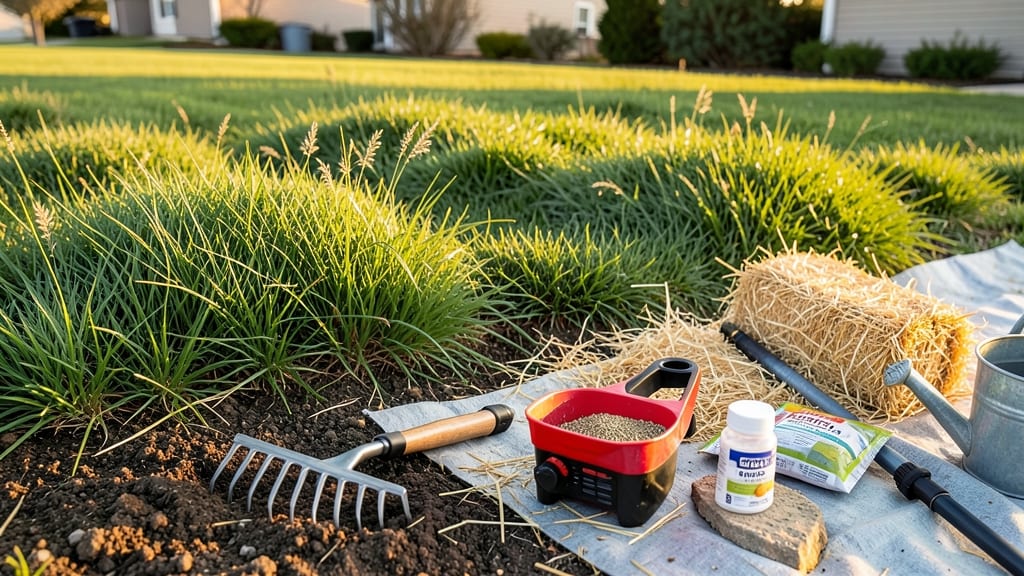
Planting grass seed in San Antonio isn't just about throwing seeds on the ground—it's about outsmarting the city's brutal heat and unpredictable weather to get a lawn that actually sticks around.
If you've ever watched your freshly seeded area turn to crispy brown in August or struggle to germinate in April, you know timing is everything.
The best months to plant grass seed in San Antonio are August-October and February-March, when soil temperatures stay in that sweet 60-75°F range—perfect for germination without frying your seeds.
But here's the kicker: not all grass varieties play nice in our 8a-9a climate, and skipping soil prep can turn your dream lawn into a weed buffet.
I've seen firsthand how a properly timed planting session can mean the difference between a lush green carpet and a patchy eyesore.
Let me show you exactly when to plant, how to prep your soil for San Antonio's heat, and which grass types will actually survive our summers without begging for water.
Whether you're starting from scratch or overseeding an existing lawn, these insights will save you time, money, and the frustration of watching your hard work wither in the Texas sun. Let's get that grass growing right—the first time.
Best months to plant grass seed in San Antonio’s climate
San Antonio’s USDA Zone 8a-9a climate demands precision when planting grass seed. The ideal window is late summer to early fall—August through October—when temperatures cool slightly and rainfall is more predictable.
This timing gives seeds a fighting chance against the city’s intense summer heat and drought conditions, which can fry tender seedlings.
For cool-season grasses like Tall Fescue or Ryegrass, aim for February to March. These varieties thrive in milder temperatures and can establish roots before summer’s brutal heat sets in.
However, avoid planting during peak summer (May-August) unless you’re seeding Bermuda or Zoysia grass, which are heat-tolerant but require extra care.
San Antonio’s unpredictable spring rains (March-May) can also complicate seeding. Heavy downpours wash away seeds or cause fungal diseases like dollar spot. Always check the National Weather Service forecast for 5-day outlooks before planting to avoid surprises.
🌱 Pro Tip: Soil temperature is your best guide. Grass seeds germinate best when soil is between 60-75°F. Use a soil thermometer to confirm—this is especially critical in San Antonio’s sweltering summers where soil can exceed 90°F.
| Season | Best Months | Grass Types | Soil Temp (°F) | Key Risks |
|---|---|---|---|---|
| Fall | August–October | Bermuda, Zoysia, St. Augustine | 60–75°F | Late-season drought |
| Spring | February–March | Tall Fescue, Ryegrass | 55–65°F | Spring rains, fungal diseases |
| Summer | June–July (emergency only) | Bermuda, Zoysia | 80–90°F (with shade) | Heat stress, poor germination |
| Winter | November–January | None (dormancy) | N/A | Frost damage |
If you’re seeding St. Augustine grass, the #1 choice for San Antonio’s heat, focus on late summer (August-September). This grass struggles in extreme heat but thrives when temperatures dip below 90°F.
For Bermuda grass, which dominates local sports fields, late spring (April-May) or early fall (September) works best—just be prepared for aggressive watering during establishment.
Local nurseries like The Grass Guys or San Antonio Nursery often stock pre-mixed seeds tailored to San Antonio’s climate. Ask for blends that include drought-resistant varieties like Tifway 419 Bermuda or Floratam St. Augustine. These hybrids are bred to handle the city’s caliche soil and limited water restrictions.
Timing isn’t just about months—it’s about weather patterns. Monitor San Antonio’s microclimates: Northside areas (like Stone Oak) stay cooler than Southside (near Stonehenge). Adjust your planting date 1-2 weeks later if your neighborhood runs hotter.
Always test your soil’s moisture by grabbing a handful—if it crumbles easily, it’s ready for seeds.
One critical mistake many locals make? Planting too early in spring (April) when pop-up rains turn their lawn into mud. Aim for dry, warm spells—like the last 2 weeks of August—when the ground is firm but not baked.
This balance is key to 90%+ germination rates in San Antonio’s tough conditions.
For extra insurance, overseed in fall (October-November) to fill in thin spots. Cool evenings and higher humidity create perfect conditions for seeds to sprout without the stress of summer’s 100°F+ afternoons. Just remember: No seeding after November 15—frost risk increases, and tender shoots won’t survive.
How to prepare your soil and seed for San Antonio’s heat
Preparing your soil and seed properly is the key to beating San Antonio’s brutal heat and ensuring your new lawn takes root. Start by testing your soil’s pH level—most grasses thrive between 6.0 and 7.0.
If your soil is too acidic or alkaline, amend it with lime (to raise pH) or sulfur (to lower pH) 4-6 weeks before planting. This gives the soil time to adjust naturally.
Next, clear the area of debris and weeds using a rake or dethatching tool. San Antonio’s clay-heavy soil can compact easily, so aerate it with a core aerator to improve water and air circulation.
Focus on areas with heavy foot traffic or dense grass, as these spots compact the most. Aim for 1/2-inch deep holes spaced 2-3 inches apart for optimal results.
- Test soil pH (aim for 6.0-7.0) and amend if needed.
- Remove weeds and debris with a rake or herbicide.
- Aerate soil to break up compaction (use a core aerator).
- Loosen top 2-3 inches of soil with a garden fork.
- Spread compost (1/2 inch layer) for nutrients.
- Level the area with a rake for even seed distribution.
- Water deeply 24 hours before planting.
Once your soil is prepped, choose a drought-resistant grass variety suited for San Antonio’s climate. Bermuda grass and Zoysia grass are excellent choices for their heat tolerance and low water needs.
For cooler seasons, Tall Fescue or Ryegrass blends work well. Always check the seed packet for germination rates—opt for seeds with 85%+ viability to avoid patchy growth.
Before planting, soak the seed in room-temperature water for 12-24 hours to kickstart germination. This is especially helpful in San Antonio’s dry air, which can dry out seeds quickly. Plant your seed in the early morning or late afternoon to minimize heat stress.
Use a spreaders or broadcast method to distribute seeds evenly, then lightly cover them with 1/4 inch of soil or compost.
After planting, apply a thin layer of straw mulch (1/4 inch) to retain moisture and protect seeds from bird damage or harsh winds. Water gently but thoroughly to settle the soil, then maintain consistent moisture without overwatering.
Aim for 1/2 inch of water daily until germination (typically 7-14 days for most grasses). Use a sprinkler with fine mist to avoid displacing seeds.
Finally, monitor your lawn for even moisture and temperature. San Antonio’s summer heat can cause seeds to dry out or overheat, so avoid planting during peak afternoon heat (12-4 PM).
If temperatures exceed 90°F, consider using shade cloth until seeds germinate. With proper prep, your grass will establish a deep root system and outlast the heat.