
Plants
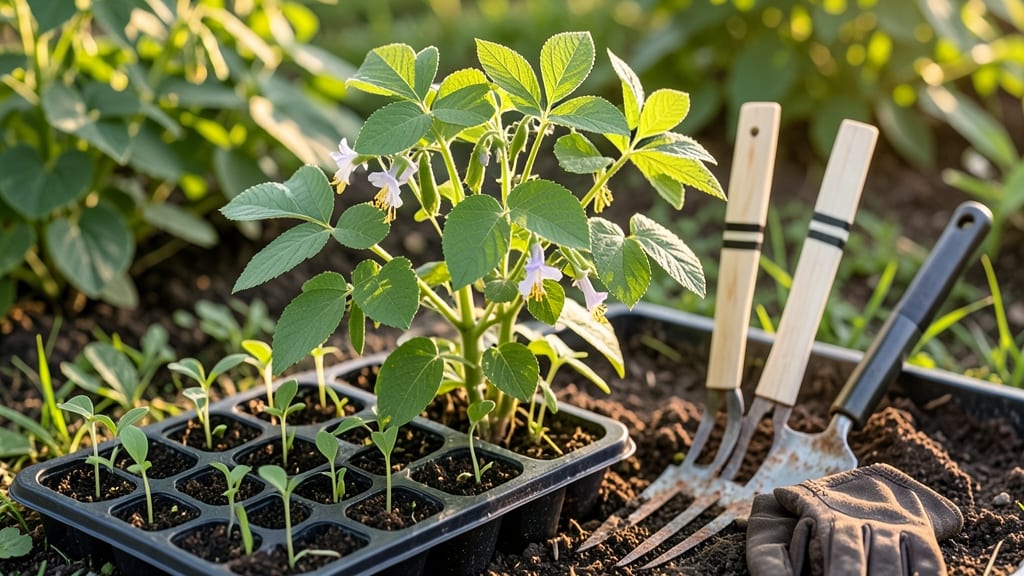
Timing your green beans 🌱 just right in Central Florida means the difference between a thriving harvest and struggling plants. The key isn’t just picking a random month—it’s understanding how the region’s 9a-10a climate and summer heat waves affect growth.
Most gardeners in Central Florida plant green beans in February-March or August-September, but skipping the summer months entirely is a common mistake. With the right heat-tolerant varieties and a few smart tricks, you can actually grow them successfully even when temperatures soar.
I’ll walk you through the exact planting windows, soil prep tips, and which varieties handle Florida’s humidity best. Whether you’re a first-time gardener or a seasoned pro, these insights will help you avoid the pitfalls and maximize your yield.
Ready to beat the heat and grow green beans year-round? Let’s dive into the strategies that work in Central Florida’s unique growing conditions.
Best planting months for green beans in Central Florida’s climate zones
Central Florida’s USDA Zones 9a-10a offer a unique growing challenge—long summers and mild winters—but green beans thrive when planted at the right time. Unlike cooler climates, frost isn’t your main concern; instead, heat and humidity dictate your planting schedule.
The key is to avoid the peak summer months (June-August), when temperatures often exceed 90°F (32°C), stressing young plants.
For Central Florida gardeners, the ideal planting windows are February-March for spring and August-September for fall. These periods balance soil warmth (at least 60°F/15°C) with cooler temperatures, reducing heat stress.
In Orlando, Tampa, and Gainesville, microclimates can shift planting dates by 1-2 weeks, so always check your local last frost date—even though frost is rare.
Here’s how Central Florida’s three major regions differ in planting timing:
🌱 Central Florida Planting Comparison
| Region | Spring Planting | Fall Planting | Key Consideration |
|---|---|---|---|
| Orlando | Late February - Early March | Mid-August - Early September | Humidity spikes in summer; use shade cloth |
| Tampa | Early March - Mid-March | Late August - Early September | Cooler coastal breezes extend fall harvest |
| Gainesville | Mid-February - Late February | Early August - Mid-August | Higher elevation = cooler nights; plant earlier |
Spring planting in February-March gives green beans time to mature before summer heat sets in. Aim to harvest by late May to avoid pods toughening from heat stress. For fall, August-September ensures beans grow quickly before cooling temperatures slow them down—harvest by November for the best flavor.
If you’re eager for a summer harvest, try heat-tolerant varieties like ‘Contender’ or ‘Dry Bean,’ but plant them in late May or early June when soil temps are consistently above 70°F (21°C). Use drip irrigation and mulch heavily to retain moisture during Florida’s dry spells.
Pro tip: Direct sow seeds instead of transplanting—green beans hate root disturbance. Plant seeds 1 inch deep, 4-6 inches apart, and provide trellis support for bush varieties to save space and improve air circulation. This reduces fungal diseases like rust, common in Florida’s humid summers.
Monitor your soil temperature with a thermometer—it should stay above 60°F (15°C) for 7+ days before planting. If temps drop below 50°F (10°C), germination slows dramatically. In North Central Florida (e.g., Ocala), wait until mid-March for spring planting due to cooler nights.
For container gardening, use 5-gallon pots with fast-draining soil and plant in full sun. Containers heat up faster, so water daily in summer and move pots to partial shade if temps exceed 95°F (35°C). This mimics Florida’s microclimate variations effectively.
Remember: Succession planting every 2-3 weeks in spring and fall extends your harvest by 4-6 weeks. For example, plant a second batch in early April and a third in mid-May to stagger ripening. This ensures you’re never without fresh green beans during Florida’s long growing season.
🌱
Best planting months for green beans in Central Florida’s climate zones
Central Florida’s USDA Zones 9a-10a offer a unique gardening challenge—long, hot summers and mild winters. For green beans, timing is everything. The key windows are late winter to early spring and late summer to early fall, avoiding the brutal June-August heat that stresses plants.
Spring planting starts 2-3 weeks after your last frost date (usually mid-February to early March). This gives seeds time to germinate in 60-65°F soil before temperatures climb. Fall planting begins in August-September, allowing beans to mature before winter sets in (rarely below freezing).
Microclimates matter! In Orlando and Tampa, heat arrives earlier than in Gainesville’s cooler hills. Adjust planting by 1-2 weeks based on your local heat patterns. For example, Tampa gardeners might start fall beans in early August, while Gainesville waits until mid-August.
Pro tip: Use a soil thermometer to confirm temperatures before planting. Green beans won’t germinate in soil below 60°F, even if air temps are warm. In Central Florida’s humidity, seeds can rot if planted too early—wait for dry, warm conditions.
For extended harvests, try succession planting every 2 weeks in spring/fall. This ensures a steady supply of 4-6 inch pods (the perfect harvest size). Just remember: never plant green beans in summer unless you’re using heat-tolerant varieties with shade cloth.
Watch for early signs of stress like yellowing leaves or stunted growth—these often mean it’s too hot. Adjust with shade cloth (30-50%) or move plants to partial shade during peak afternoon sun. With the right timing, you’ll enjoy fresh green beans twice a year in Central Florida’s climate! 🌱