
Plants
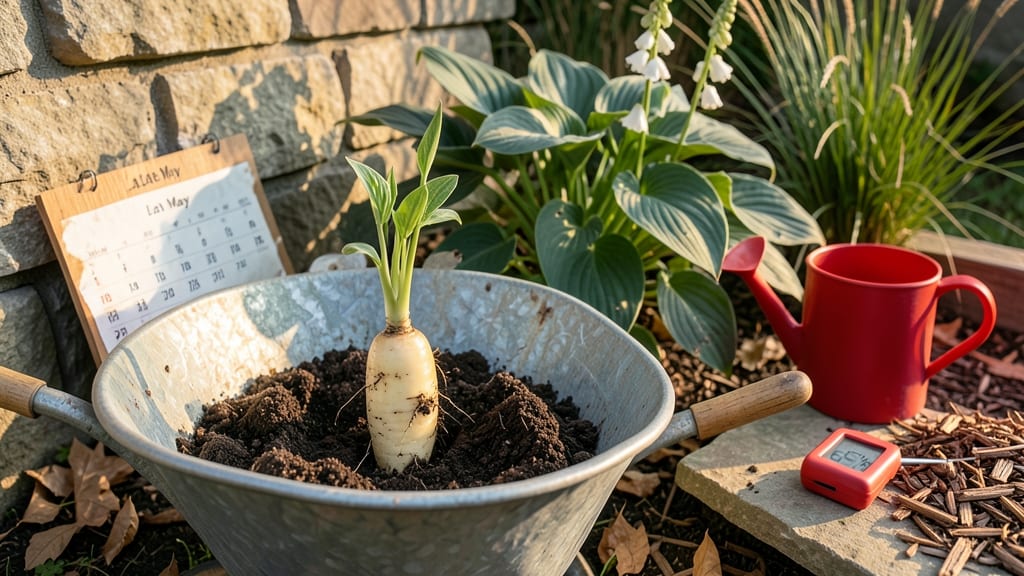
Planting your Hosta bulbs in Zone 7 at the wrong time could mean the difference between a thriving garden and struggling plants that never quite take off. Unlike annuals, these 🌿 perennial favorites need just the right conditions to establish strong roots before summer’s heat or winter’s chill sets in.
The best window for planting Hostas in Zone 7 is either early spring—as soon as the soil warms to 50°F—or early fall, about 4-6 weeks before the first frost.
But here’s the catch: your local microclimate can shift these timelines by weeks, depending on shade levels, elevation, or urban heat. Let’s break down exactly when—and how—to plant for the fastest, most reliable results.
You might think “spring” is the only answer, but fall planting actually gives Hostas a head start on root growth before winter dormancy. I’ll walk you through the key signs your bulbs are ready, plus how to prep your soil for faster establishment—no guesswork involved.
Whether you’re a first-time gardener or a seasoned pro, getting the timing right means fewer transplants struggling and more time enjoying those lush, shade-loving leaves. Let’s get your Hostas off to the best possible start.
Optimal planting windows for hosta bulbs in Zone 7: soil temperature and frost risk
In Zone 7, hosta bulbs thrive when planted during two distinct windows: early spring or early fall. These periods align with soil temperatures and frost risks to ensure strong root establishment.
For most of Zone 7, aim for March-April in spring or September-October in fall, but your exact timing depends on local frost dates.
Spring planting works best when soil temperatures reach 50°F (10°C)—warm enough to prevent rot but cool enough to avoid stress. In fall, plant 6-8 weeks before first frost (typically mid-October in Zone 7) to allow roots to establish before winter dormancy.
Late frosts can delay spring planting by 2-3 weeks in colder microclimates.
To test soil readiness, push a soil thermometer 4 inches deep—ideal temps for spring are 50-60°F (10-15°C). For fall, soil should be above 40°F (4°C) to prevent bulb rot. If your area has erratic frosts, opt for spring planting to avoid winter heaving.
Hosta bulbs are hardy perennials, but timing matters for root development and foliage vigor. Planting too early in cold soil risks rot, while waiting too long can stunt growth. In Zone 7, the last average frost date is typically April 15, but urban areas may frost later due to heat retention.
For container-growing hostas, adjust timing slightly—containers warm faster in spring and cool quicker in fall. Plant container hostas 2 weeks earlier in spring or 2 weeks later in fall compared to in-ground planting. Always use well-draining potting mix to prevent waterlogged roots.
🌱 Zone 7 Hosta Planting Comparison
| Factor | Spring Planting | Fall Planting |
|---|---|---|
| Ideal Months | March-April | September-October |
| Soil Temp | 50-60°F (10-15°C) | Above 40°F (4°C) |
| Frost Risk | Low after last frost | 6-8 weeks before first frost |
| Root Growth | Establishes by summer | Establishes by winter |
| Best For | Urban areas with late frosts | Rural areas with mild winters |
⚠️ Pro Tip: Use mulch (2-3 inches) after planting to regulate soil temperature and retain moisture.
If you missed the ideal window, don’t panic—hostas are resilient. Late spring planting (May) still works if soil is warm, but expect smaller foliage the first year.
For fall planting after October, cover bulbs with straw mulch to protect from freezing. Avoid planting in summer heat—bulbs can dry out or overheat.
For bare-root hostas, soak bulbs in lukewarm water for 1 hour before planting to rehydrate roots. This is especially critical in dry Zone 7 summers when soil moisture drops. After planting, water deeply to settle soil and eliminate air pockets around roots.
Monitor your hostas for yellowing leaves or stunted growth—these can signal planting timing issues. In spring, slow growth may mean planting was too late; in fall, weak shoots next year could indicate planting too early. Adjust your schedule based on these visual cues for future plantings.
Remember, microclimates vary even within Zone 7. A south-facing slope may warm faster, while a north-facing garden stays cooler. Use these guidelines as a starting point, then fine-tune based on your specific conditions. With the right timing, your hostas will reward you with bold foliage and minimal care.
Optimal planting windows for hosta bulbs in Zone 7: soil temperature and frost risk
In Zone 7, hosta bulbs thrive when planted during two key windows: early spring (March-April) or early fall (September-October). These periods balance soil warmth and frost risk to give your hostas the best start.
Spring planting lets bulbs establish roots before summer heat, while fall planting allows them to root before winter dormancy.
For spring planting, aim for when soil temperatures reach 50°F (10°C)—typically late March to early April in most of Zone 7. Use a soil thermometer to check; if the ground feels cool to the touch, wait a few days.
Planting too early risks rot from cold soil, while waiting too long may stress young shoots during late frosts.
Fall planting is ideal between September 15 and October 15, giving bulbs 4-6 weeks to root before the ground freezes. In colder microclimates (e.g., higher elevations), shift to late September. Avoid planting after mid-October, as new roots won’t have time to harden before winter.
Test soil readiness by pressing your finger 2 inches deep—if it feels cool but not icy, it’s safe to plant. In urban heat islands, soil warms faster, so you might plant 2 weeks earlier than rural areas.
Conversely, high-altitude gardens (e.g., 2,000+ ft) may need to delay planting by 1–2 weeks due to cooler nights.
After planting, mulch heavily (3–4 inches) to protect roots from temperature swings. In spring, use straw; in fall, opt for shredded leaves. This insulation keeps soil 5–10°F warmer in winter and cooler in summer, reducing stress on young hostas.
If you miss the ideal windows, container planting extends flexibility. Use pots filled with well-draining mix and move them indoors during frosts. Just ensure containers have drainage holes to prevent root rot from soggy soil.