
Plants
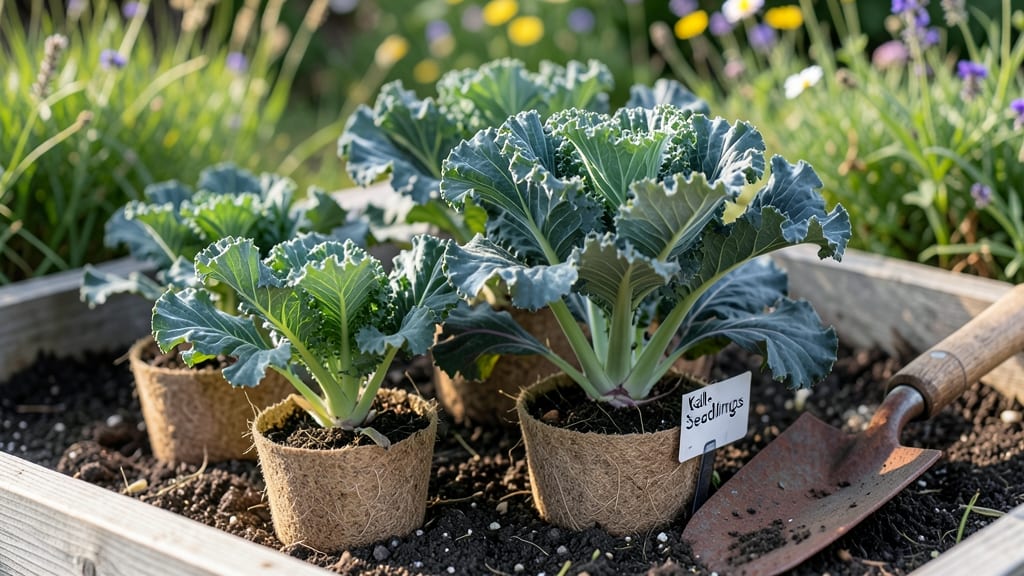
Timing your kale planting in Zone 7 can mean the difference between a thriving harvest and bitter, bolted leaves. If you've ever watched your hard work turn into tough, stringy greens too soon, you know how frustrating it can be—but there's a simple solution.
Kale thrives in cooler weather, making early spring and late summer the sweet spots for planting in Zone 7. The key is to avoid the heat of mid-summer, which triggers bolting (that unwanted flowering stage). By following the right schedule, you can enjoy fresh 🥬 leaves from May through November.
Whether you're a seasoned gardener or just starting out, knowing the exact months to plant—plus a few pro tips—will help you maximize your yield. Let's break down the best windows and strategies to keep your kale happy and productive all season long.
From soil temperature tricks to companion planting, I'll show you how to turn your garden into a kale-growing powerhouse. Ready to transform your approach? Let's get started.
Zone 7 kale planting calendar: exact months to avoid bolting
Kale thrives in cool temperatures, but Zone 7’s warm summers and mild winters create a tricky balance. Plant too early in spring, and your curly kale will bolt from heat stress.
Too late in fall, and frost will damage tender leaves. The key? Timing your plantings around soil temperatures and frost dates for a sweet, crisp harvest.
In Zone 7, you’ll have two prime planting windows: early spring and late summer. Each requires different strategies to avoid bolting (when kale flowers prematurely) or frost damage. Let’s break down the exact months, temperature thresholds, and variety-specific tips to maximize your yield.
🌱 Did You Know? Lacinato kale (like 'Dino kale') tolerates slightly warmer soil than curly varieties, giving you a 2-week longer window for late-summer plantings.
| Planting Window | Ideal Months | Soil Temp (°F) | Variety Tips | Harvest Window |
|---|---|---|---|---|
| Early Spring | March–April | 45–55°F | Curly kale bolts at 80°F; lacinato tolerates 75°F | May–June |
| Late Summer | August–September | 50–60°F | Use cold-hardy varieties like 'Winterbor' | October–November |
📅 Zone 7 Frost Dates: Last frost March 15, first frost November 15
For spring plantings, aim to sow seeds 4–6 weeks before your last frost date (typically mid-March in Zone 7). Use row covers if nights dip below 40°F to protect young seedlings. If you’re direct sowing, choose a cool, cloudy day to reduce transplant shock.
Late-summer plantings are trickier because heat stress accelerates bolting. Start seeds indoors in early August and transplant outdoors by mid-August, when soil temps drop below 70°F. Shade cloth (30–50%) can buy you 2–3 extra weeks of growth before frost.
Pro tip: Stagger your plantings every 2 weeks in both spring and fall to ensure a continuous harvest. For example, sow half your seeds in early March and the rest in late March for a 6-week harvest window.
Watch out for Zone 7’s microclimates. Urban areas like Atlanta or Raleigh often run 5–10°F warmer than rural spots, pushing bolting earlier. Monitor your garden’s specific heat patterns—a daily max of 85°F will stress even heat-tolerant varieties.
If you’re transplanting seedlings, harden them off for 7–10 days before moving them outdoors. Avoid planting in full sun during peak afternoon heat (12–4 PM), which can scorch leaves. Instead, place seedlings in morning sun with afternoon shade.
For fall harvests, prioritize cold-hardy varieties like 'Red Russian' or 'Winterbor' kale. These can survive light frosts and even taste sweeter after a 20°F dip. Just be sure to harvest before hard freezes (below 20°F) to avoid leaf damage.
Remember: Consistent soil moisture is critical. Kale needs 1–1.5 inches of water weekly, but drought stress makes plants more susceptible to bolting. Use drip irrigation or soaker hoses to keep roots evenly moist without wetting leaves.
With these exact planting windows and variety-specific tips, you’ll avoid the bitter disappointment of bolting and enjoy crisp, sweet kale from spring through fall. Happy planting! 🥬
Zone 7 kale planting calendar: exact months to avoid bolting
Mastering the Zone 7 kale planting schedule means avoiding two common pitfalls: spring bolting from warm soil and winter frost damage. Your best bets are early spring (March-April) or late summer (August-September) for fall harvests. Timing isn't just about months—it's about soil temperatures staying below 75°F to prevent bolting.
Curly kale varieties like Winterbor handle heat slightly better than lacinato (Dinosaur kale), but all types need cool roots. For spring planting, aim for 4-6 weeks before your last frost date (typically March 15 in Zone 7).
Fall crops should go in 6-8 weeks before first frost (around November 15), giving them time to mature before winter.
| Season | Planting Window | Soil Temp | Harvest Time | Key Tip |
|---|---|---|---|---|
| Spring | March 1 - April 15 | 45-65°F | May - June | Use row covers if nights stay below 50°F |
| Fall | August 1 - September 15 | 55-70°F | October - November | Choose 'Winterbor' for best cold tolerance |
For direct sowing, scatter seeds ¼-inch deep in well-draining soil with 2-inch spacing. Thin seedlings to 12-18 inches apart when they reach 4 inches tall—this prevents overcrowding, which stresses plants and triggers bolting. If transplanting, harden off seedlings for 7-10 days before moving them outdoors.
Pro tip: Use a soil thermometer to monitor temperatures. Kale roots prefer 55-70°F for optimal growth. If your soil heats above 75°F in spring, delay planting until temperatures drop or use shade cloth to protect seedlings. This simple tool can save your entire crop from bolting prematurely.
Remember that Zone 7 microclimates vary—mountain areas stay cooler longer, while urban heat islands warm up faster. Adjust your planting dates by 1-2 weeks based on your specific location's frost dates. Check your local cooperative extension service for precise last-frost data tailored to your area.
Once planted, consistent moisture is key. Kale needs 1-1.5 inches of water weekly, but avoid overhead watering in late afternoon to prevent fungal diseases. Mulch with straw or shredded leaves to maintain even soil moisture and protect roots from temperature swings.