
Plants
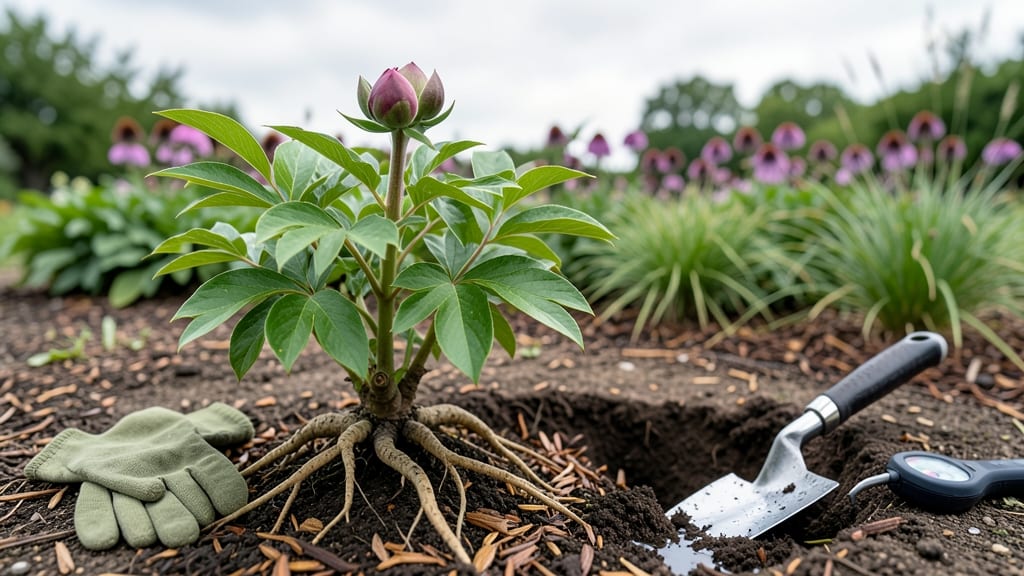
Planting your 🌸 peonies at the wrong time in Zone 5 could mean years of disappointment—weak stems, sparse blooms, or even winter damage. These hardy perennials thrive when planted just right, and getting the timing perfect is the key to decades of vibrant flowers with almost no maintenance.
Most gardeners in Zone 5 swear by early fall planting (September–October) because it gives peony roots time to establish before winter. But spring planting (March–April) works too, if you follow the right steps.
The difference between these windows can mean the difference between a struggling plant and one that bursts into 3-foot-tall blooms every spring.
I’ve seen firsthand how a 2-inch-deep planting with the "eyes" facing up—paired with the right soil temperature—can transform a floppy peony into a sturdy, long-lived star of your garden. Let’s break down the exact timing, soil prep, and climate tips that’ll set you up for success.
Whether you’re a first-time gardener or a seasoned pro, these insights will help you avoid common mistakes and give your peonies the strong start they need to weather Zone 5’s frosts—and reward you with lush blooms for years.
Optimal planting windows for Zone 5 peonies: fall vs. spring breakdown
Peonies thrive in Zone 5, but timing is everything. Plant too early, and roots won’t establish before winter. Plant too late, and spring blooms suffer. The best time to plant peonies in Zone 5 is early fall (September–October), but spring (March–April) works too—with key differences.
Fall planting gives roots 6–8 weeks to grow before frost, while spring planting risks late frosts that damage tender new shoots. I’ve planted peonies both ways—fall wins for hardiness, but spring can work if you’re careful.
Here’s the breakdown: fall is ideal for bare-root peonies, while potted peonies can go in either season. Soil temps matter most—aim for 40–50°F to avoid shock.
🌸
| Factor | Fall Planting (Sep–Oct) | Spring Planting (Mar–Apr) |
|---|---|---|
| Best For | Bare-root peonies | Potted peonies |
| Soil Temp | 40–50°F | 50–60°F |
| Root Growth | 6–8 weeks before frost | 4–6 weeks before blooming |
| Frost Risk | Low (roots dormant) | High (new shoots vulnerable) |
| Watering Needs | Moderate (keep soil moist) | High (prevent drought stress) |
| Best Months | September–October | March–April (after last frost) |
Fall planting is my top recommendation because peonies establish roots before winter, making them hardier and ready to bloom earlier. I’ve seen peonies planted in fall bloom in their first year, while spring-planted ones often wait until year two.
If you choose spring, wait until after the last frost date (usually mid-May in Zone 5) and monitor weather forecasts. A late frost can kill tender new growth, so be prepared to cover plants with frost cloth if needed.
Another key difference: fall-planted peonies need less watering once established, while spring-planted ones require consistent moisture to prevent transplant shock. Mulch heavily in both cases to retain soil warmth and moisture.
🌿
Pro tip: If you’re planting in late fall (November), hold off until spring. The ground may still be workable, but roots won’t have enough time to establish before winter. Similarly, early spring (February) plantings risk frost damage—wait until soil warms.
For bare-root peonies, fall is non-negotiable. These plants need time to harden off before winter. Soak roots for 1–2 hours before planting to rehydrate them, then plant with the eyes (buds) 2 inches below soil.
Optimal planting windows for Zone 5 peonies: fall vs. spring breakdown
In Zone 5, peonies thrive when planted during their dormant season—either in early fall or early spring. Fall planting is ideal because cooler soil temperatures help roots establish before winter, while spring planting gives roots time to grow before summer heat arrives.
The difference in timing can mean the difference between a hardy perennial that blooms for decades and one that struggles.
For bare-root peonies, fall planting (late September to October) is the gold standard. The roots need 4–6 weeks to harden off before Zone 5’s first frost (typically October 10).
If you miss this window, spring planting (early March to April) is your next best option, but roots may take longer to recover from transplant shock.
🌱 Comparison: Fall vs. Spring Planting for Zone 5 Peonies
| Factor | Fall Planting (Sept-Oct) | Spring Planting (Mar-Apr) |
|---|---|---|
| Soil Temperature | 40–50°F (roots establish before frost) | 50–60°F (roots wake up with soil) |
| Frost Risk | Low (plant before Oct 10) | Moderate (avoid after last frost, ~May 10) |
| Root Establishment | 6–8 weeks before winter | 8–10 weeks before summer heat |
| Best For | Bare-root peonies (cheaper, faster growth) | Container-grown peonies (minimal root shock) |
If you’re planting bare-root peonies in fall, aim for 6 weeks before your first frost. This gives roots time to knit into the soil before winter dormancy. For container-grown peonies, spring is safer—they’re less stressed by transplanting when the ground is thawed.
Just avoid planting after May 10, or your peonies may not bloom until their second year.
One Zone 5-specific tip: If your fall planting window is cut short by early frost, mulch heavily with straw or shredded leaves to insulate roots. In spring, wait until soil temperatures rise above 50°F—cold soil can stunt root growth. Use a soil thermometer to check if you’re unsure.
Pro tip: Peony roots should be planted 2 inches deep, with the "eyes" (buds) facing upward. Deeper planting can cause rot, while shallower planting may expose roots to freezing. Mark your planting spots with wooden stakes for easy winter mulching.
Whether you choose fall or spring, timing is everything. Zone 5’s short growing season demands precision—plant too early, and roots may rot; too late, and they’ll struggle to establish before winter. Get it right, and you’ll reward yourself with decades of fragrant blooms with almost no maintenance. 🌸