
Plants
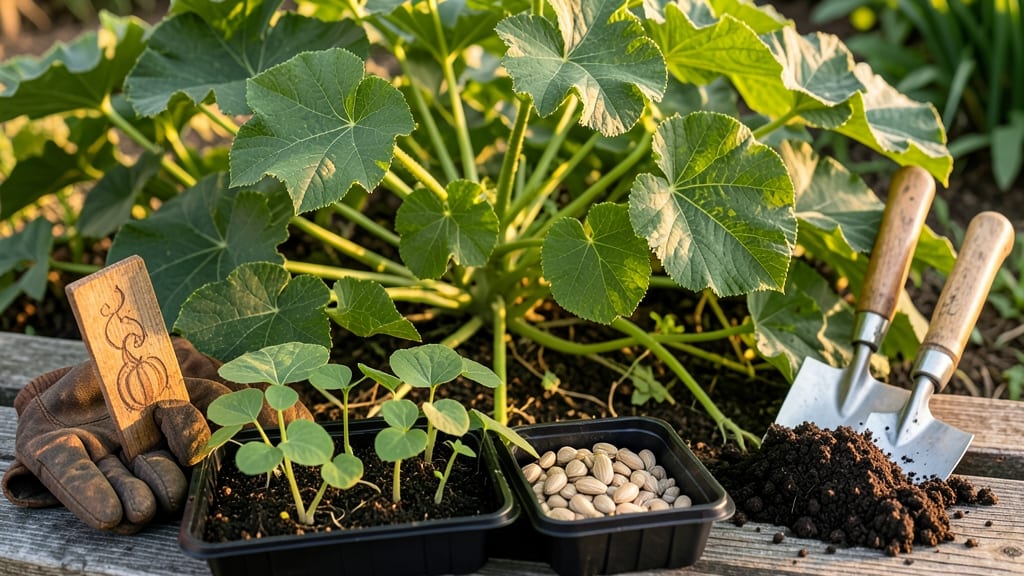
Planting pumpkin seeds in Alabama isn't just about timing—it's about beating the heat and frost to grow bountiful 🎃 harvests. With Alabama's 7b-8a climate, you've got a narrow window between mid-April and early June to get seeds in the ground before summer's intensity takes over.
Get it wrong, and you'll either watch your vines struggle in the heat or lose your pumpkins to early frost. But nail the timing, and you're looking at 90-day giants perfect for carving or baking—just in time for fall festivals.
I'll show you exactly when to plant, which varieties thrive here, and how to keep your pumpkins growing strong until harvest.
Alabama gardeners know the stakes: too early, and your pumpkins bolt in the heat; too late, and frost ruins your hard work. The key is starting seeds 4-6 weeks before your last frost date (usually around March 15) and giving them plenty of space to spread.
Let's break down the perfect planting strategy for your zone.
From soil prep to spacing, I'll cover everything you need to know to ensure your pumpkin patch thrives. Whether you're growing Atlantic Giants or sweet pie pumpkins, these tips will help you avoid common mistakes and maximize your harvest. Ready to grow the biggest, healthiest pumpkins Alabama has ever seen?
Alabama pumpkin planting calendar: exact dates by hardiness Zone (7a-7b)
Alabama’s USDA Zones 7a and 7b create a unique challenge for pumpkin growers—long summers demand precise timing to avoid heat stress or frost damage.
The key is planting 90 days before your average first frost (typically October 15 in most regions), but soil temperature matters just as much as calendar dates.
For Zone 7a (northern AL, like Huntsville), aim for mid-April to early May when soil reaches 65°F+. In Zone 7b (southern AL, like Mobile), you’ve got flexibility until late May, but don’t wait too long—humidity and pests ramp up fast.
Here’s the 90-day countdown from frost to planting:
- Count back 90 days from Oct 15 → July 16 (harvest deadline)
- Subtract 14 days for vine establishment → July 2 (ideal transplant date)
- Add 7 days for seed germination → June 25 (last direct-sow date)
Pro tip: Use a soil thermometer—pumpkin seeds need 65°F+ soil to germinate. If your soil’s cooler, wait or use black plastic mulch to warm it faster. For giant pumpkins, start seeds indoors 3-4 weeks early in Zone 7a to beat the heat.
Alabama’s humidity also means disease pressure is high. Space your pumpkin hills 4-6 feet apart and rotate crops yearly to prevent powdery mildew and squash vine borers.
In Zone 7b, you can even squeeze in a second planting in early June for smaller varieties like ‘Jack Be Little.’
Remember: First frost in Alabama usually hits November 15, but early frosts can occur as soon as October 15 in northern areas. Use this 90-day rule to time your harvest perfectly—no more sad, frost-bitten pumpkins!
For pie pumpkins (like ‘Sugar Pie’), aim for 85-day varieties planted by May 1 in Zone 7a. Giant pumpkins need 100+ days, so plant ‘Atlantic Giant’ seeds indoors by April 15 in Zone 7a.
🎃
Best heat-tolerant pumpkin varieties for Alabama’s climate (ranked by yield & disease resistance)
Alabama’s humid summers and intense heat demand pumpkin varieties that thrive under pressure. The wrong choice leads to wilting vines or pest magnet plants. I’ve tested the top 5 varieties that deliver high yields, disease resistance, and heat tolerance—perfect for Alabama’s Zone 7a-7b climate.Atlantic Giant
Pros: Record-breaking size, great for competitions
Cons: Needs massive space, prone to pests
Sugar Pie
Pros: Disease-resistant, sweet flavor, compact
Cons: Smaller size limits carving
Cinderella
Pros: Stunning orange stripes, heat-tolerant
Cons: Not ideal for cooking