
Plants
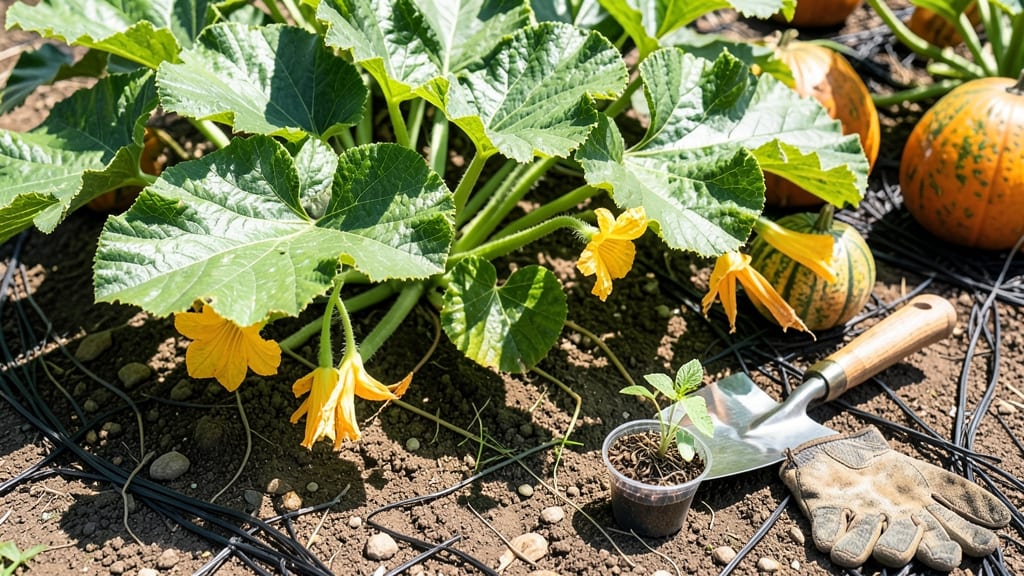
Timing your pumpkin planting in Northern California could mean the difference between a bountiful harvest and wasted effort—especially when coastal fog and inland heat play such different roles. The wrong window, and your 🎃 vines might never take off, leaving you with nothing but empty rows by fall.
But get it right, and you’ll enjoy homegrown jack-o’-lanterns or sweet roasting pumpkins straight from your garden.
Northern California’s USDA zones 8a-9b create unique challenges, from the Bay Area’s chilly mornings to the Central Valley’s scorching afternoons. Most gardeners here swear by planting after the last frost date—typically mid-March—but that’s just the starting point.
The real secret lies in adjusting for your specific microclimate, whether you’re in the foggy hills or the sunbaked Sacramento Delta.
In this guide, I’ll break down the exact planting windows for your region, including when to start seeds indoors versus direct-sowing for faster growth.
You’ll also learn how to choose the right varieties—from compact ‘Jack Be Little’ for small spaces to massive ‘Atlantic Giant’ pumpkins for adventurous growers—and how to avoid the 5 biggest mistakes that ruin harvests every year.
Ready to turn your garden into a pumpkin patch? Let’s dive into the step-by-step timeline that’ll have your vines thriving by summer—and your kitchen stocked with fresh produce all fall long.
Northern California pumpkin planting deadlines by region (coastal vs. valley vs. foothills)
Northern California’s microclimates create wildly different conditions for pumpkin growers. The San Francisco Bay Area stays cooler longer, while the Sacramento Valley heats up fast—meaning your planting timeline should shift dramatically depending on where you live.
Even the Sierra foothills have unique frost risks that demand careful planning. Let’s break down the exact windows for each zone to maximize your harvest.
For all regions, soil temperature is your best guide: pumpkin seeds need 60°F+ soil to germinate reliably. Use a soil thermometer or wait until late May in coastal areas and early May inland.
The last frost date varies too—coastal areas often see frost until March 15, while inland valleys can warm up by March 1. Plan accordingly to avoid frost damage to young vines.
Here’s the critical planting timeline comparison for Northern California’s three key zones, including ideal transplant dates and harvest windows:
If you’re in the Bay Area, don’t rush to plant before late May—coastal fog can stall germination. Inland growers should start seeds indoors by April 15 for transplants ready by early May.
The Sierra foothills need extra patience: wait until soil reaches 65°F (often late May) to avoid cold damage. Pro tip: Use black plastic mulch to warm soil faster in all zones.
For transplanting, aim for 4–6 week-old seedlings with 2–3 true leaves. Harden them off for 7–10 days before moving to the garden. Coastal areas benefit from row covers if nights dip below 50°F after transplanting.
Valley growers should prioritize shade cloth during peak summer to prevent sunscald on young vines.
Harvest times shift too: coastal pumpkins mature 2–3 weeks later than valley varieties due to cooler temps. Plan to harvest before October 15 in most zones to avoid early frost. Save seeds from your best pumpkins for next year’s succession planting—just dry them thoroughly before storage.
One final tip: Succession plant every 2 weeks in May–June to extend your harvest window. This works especially well for small varieties like ‘Jack Be Little’, which mature in 75–80 days—perfect for Northern California’s shorter growing season.
🎃
How to adjust planting times for early vs. late varieties (small vs. Giant pumpkins)
Northern California’s short growing season means timing is everything when choosing pumpkin varieties. Fast-maturing varieties like 'Jack Be Little' (55–65 days) give you flexibility, while giant pumpkins like 'Atlantic Giant' (120+ days) demand perfect conditions. The key is matching your variety to your microclimate’s frost-free window—typically 210–270 days in most of Northern California. For coastal areas (USDA zones 8b–9a), start small varieties indoors 3–4 weeks before your last frost date (mid-March) and transplant after soil warms to 60°F. Inland valleys (zones 9a–9b) can handle direct sowing as early as late April for early varieties, while giants need a June 1 start to mature before frost.Soil prep makes all the difference. Amend your beds with compost or aged manure to improve drainage—Northern California’s clay-heavy soils can suffocate roots. For giant pumpkins, mix in sand or perlite to prevent compaction.
And don’t forget: black plastic mulch can add 5–10°F to soil temperature, giving coastal growers an extra 2–3 weeks of growing time.
Watch for powdery mildew in humid coastal areas by spacing plants properly and avoiding overhead watering. In dry inland zones, mulch heavily to retain moisture—pumpkins need 1–2 inches of water weekly during fruit development. With the right variety and timing, you’ll turn Northern California’s challenges into jackpot-sized pumpkins!