
Plants
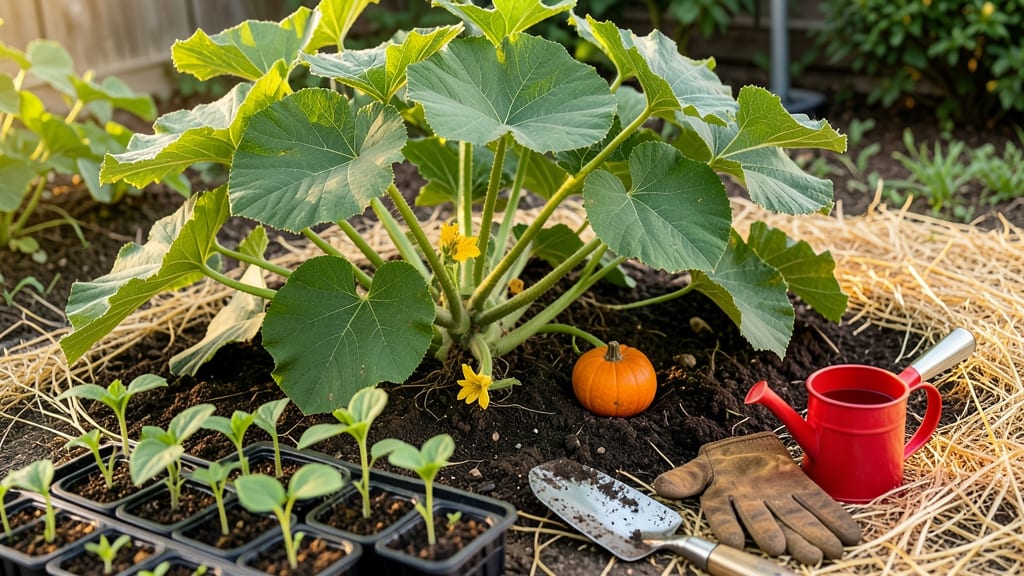
Timing your pumpkin 🎃 planting in Phoenix isn’t just about following a calendar—it’s about outsmarting the desert’s brutal heat to grow thriving vines. With summer temperatures often topping 110°F, most gardeners assume pumpkins can’t survive here.
But the key is planting at the right moment when soil cools just enough to support growth without bolting.
If you’ve ever watched your pumpkin plants wilt under the relentless sun or struggle to set fruit, you know how frustrating it can be. The solution? Planting in late July or early August when soil temperatures drop below 95°F, or opting for shorter varieties in September.
This isn’t just theory—it’s a battle-tested strategy that works in Phoenix’s USDA Zone 9b climate.
In this guide, I’ll walk you through the exact planting windows, heat-tolerant varieties that thrive in the desert, and simple hacks like mulching and watering schedules.
You’ll discover how to avoid common pitfalls like poor fruit set and bolting, so you can harvest healthy pumpkins from October to November—without the guesswork.
Whether you’re a first-time gardener or a seasoned pro, these insights will help you grow pumpkins that actually survive Phoenix’s extreme conditions. Let’s get started—your future harvest depends on it.
Best planting windows for Phoenix pumpkins: avoiding heat stress
Phoenix’s 110°F+ summers can fry pumpkin seeds before they sprout, but timing your planting just right lets you beat the heat and grow healthy vines. The key?
Planting when soil temps dip below 95°F—typically in late July or early September—to give your pumpkins a fighting chance before monsoon season cools things down.
Unlike cooler climates, Phoenix gardeners have two main windows to grow pumpkins successfully: early summer (June-July) for fast-maturing varieties or late summer (September) for longer-season types. The goal is to avoid planting during peak heat (August), when even heat-tolerant varieties struggle to establish roots.
Here’s the critical rule: Wait until nighttime temps stay above 70°F but daytime highs drop below 100°F. Use a soil thermometer to confirm—ideal planting soil temps are 80-90°F. This timing ensures seeds germinate quickly without wilting in the heat.
🌱 Phoenix Pumpkin Planting Comparison
| Planting Window | Soil Temp | Daytime Temp | Best Varieties | Harvest Month |
|---|---|---|---|---|
| Late July | 80-90°F | 95-105°F | 'Small Sugar', 'Jack Be Little' | October |
| Early September | 85-95°F | 90-100°F | 'Cinderella', 'Waltham Butternut' | November |
| Mid-September | 80-90°F | 85-95°F | 'Howden', 'Long Island Cheese' | December |
*Varieties listed are heat-tolerant and fast-maturing for Phoenix’s short growing season.
If you’re starting seeds indoors, begin 4-6 weeks before your target outdoor planting date. Use biodegradable pots to avoid transplant shock when moving seedlings to the garden. Harden them off for 7-10 days by placing them outdoors in partial shade during the day and bringing them in at night.
For direct sowing, plant seeds 1 inch deep and 2 feet apart in hills (groups of 3-4 seeds). Space hills 4-6 feet apart to give vines room to sprawl. Use black plastic mulch to warm the soil and retain moisture—this is a game-changer in Phoenix’s dry climate.
Pro tip: Transplant seedlings in the late afternoon to reduce stress. Water deeply before and after planting to help roots establish. Avoid fertilizing for 1-2 weeks post-transplant to prevent root burn in the heat.
For a second harvest, try planting winter varieties like 'Sugar Pie' in October. These tolerate cooler temps and can produce pumpkins through December or January, just as holiday demand peaks. Just be prepared for shorter daylight hours affecting growth rates.
Remember: Phoenix’s monsoon season (July-August) brings sudden downpours that can drown seedlings. If rain is forecast, delay planting until conditions stabilize. A well-draining soil mix with added compost is your best defense against both heat and heavy rains.
By mastering these planting windows, you’ll avoid the #1 mistake Phoenix gardeners make—planting too early and frying their pumpkins. With the right timing, you’ll be carving (or baking!) your own homegrown pumpkins by fall. 🎃
Best planting windows for Phoenix pumpkins: avoiding heat stress
Phoenix’s 110°F+ summers can scorch pumpkin seedlings in days, but timing is everything. The sweet spot for planting is when soil temps drop below 95°F—typically late July to early August.
This gives vines time to establish before monsoon rains and cooling temps arrive. For smaller varieties, you can even plant in September for a fall harvest.
Direct-sowing seeds is best—transplants struggle in Phoenix’s heat. Bury seeds 1 inch deep, spacing them 2-3 feet apart to prevent crowding. Use black plastic mulch to warm soil faster and retain moisture, which is critical in our low-humidity climate.
Without these tricks, seedlings often bolt or wither before producing fruit.
🌱 Phoenix Pumpkin Planting Comparison
| Method | Best Month | Soil Temp | Notes |
|---|---|---|---|
| Direct Sow | Late July–Early Aug | Below 95°F | Best for heat tolerance |
| Transplant | September | 65–85°F | Risky; use shade cloth |
| Fall Planting | Late Aug–Sept | 80–90°F | Shorter varieties only |
If you miss the July–August window, don’t despair—September plantings can still work for fast-maturing varieties like ‘Jack Be Little’ or ‘Small Sugar.’ These 75–90-day types can produce pumpkins before winter sets in.
Just avoid planting after mid-September, as days shorten and temps drop too fast for reliable fruit set.
For a year-round harvest, consider winter varieties like ‘Cinderella’ or ‘Winter Luxury,’ which store well and can be planted in October. These longer-season types (100–120 days) need cooler temps to mature, making them ideal for Phoenix’s mild winters.
Pair them with row covers for extra protection if frost threatens (though it rarely does).
Pro tip: Monitor soil moisture closely after planting—drip irrigation is non-negotiable in Phoenix. Let the top 2 inches of soil dry between waterings to prevent fungal diseases like powdery mildew, which thrives in our hot, dry air.
Mulch with straw or wood chips to keep roots cool and conserve water.
With the right timing and care, Phoenix’s extreme heat becomes an advantage—longer growing seasons mean bigger pumpkins and fewer pests. Start seeds now, and you’ll be carving (or baking!) homegrown gourds by October. 🎃