
Plants
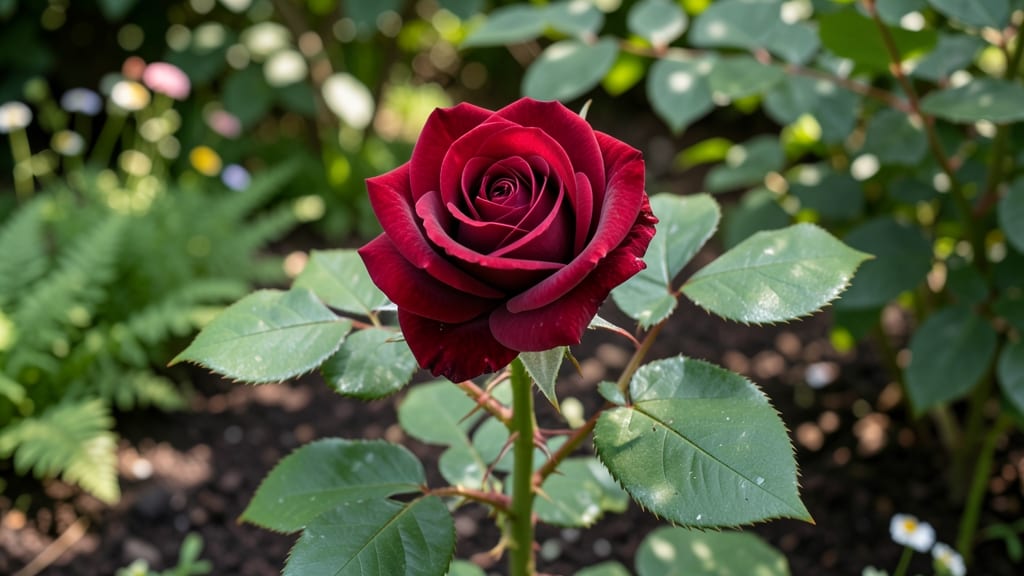
Timing when to plant roses in Florida isn't just about picking a month—it's about beating the heat while giving your plants the best shot at thriving. With year-round planting possible but fall and winter being ideal, you can avoid the stress of summer heat that often stunts new growth.
I’ve seen firsthand how a well-timed planting transforms a struggling rose into a vibrant, blooming beauty. Whether you’re working with bare-root roses or potted varieties, understanding Florida’s unique microclimates—from North to South—makes all the difference.
In this guide, I’ll break down the perfect planting windows for your zone, soil prep secrets, and how to keep your roses lush without overwatering or burning them in the heat. Let’s get those roots established the right way.
Ready to skip the guesswork? You’ll learn how to plant roses for maximum blooms, even in Florida’s toughest conditions—no more wilting dreams, just thriving 🌹 gardens.
Florida heat-zone planting calendar for roses: best months by region
Florida’s 11 distinct heat zones (A1–B3) create unique challenges for rose growers. Unlike northern climates, frost isn’t a concern, but humidity and summer heat demand precise timing. The best windows are early fall (Sept–Nov) and late winter (Jan–Feb), when temperatures are mild and root establishment is easier.
In North Florida (zones 8a–9a), September–October is ideal—cooler temps reduce transplant shock. Meanwhile, South Florida (zones 10a–11) allows year-round planting, but avoid peak summer (June–Aug) to prevent heat stress on young roots. Let’s break down the optimal months for each region.
🌹
| Heat Zone | Best Planting Months | Key Considerations | Soil Prep Tip |
|---|---|---|---|
| A1 (Panhandle) | Sept–Oct, Jan–Feb | Avoid summer; light frosts possible in Jan | Amend clay soil with compost + sand |
| A2 (North Central) | Sept–Nov, Jan–March | Humidity spikes in summer; prune after planting | Test pH (6.0–6.5); add lime if needed |
| B1 (Central) | Aug–Oct, Dec–Feb | Year-round possible but avoid July–Aug | Use mulch (3–4 inches) to retain moisture |
| B2 (South Central) | Year-round (best Sept–Nov) | No frost risk; focus on drainage | Add perlite to sandy soils |
| B3 (South Florida) | Year-round (best Oct–Dec) | Hurricane season (June–Nov) may delay planting | Plant in raised beds for poor drainage |
For bare-root roses, plant immediately after purchase if soil is workable. If storing, keep roots moist in a cool, dark place. Potted roses can be planted year-round but thrive best when transplanted in cooler months to reduce stress.
In North Florida, September is my top pick—temperatures hover in the 70s–80s°F, giving roots time to establish before winter. January is also great for dwarf varieties, which need less time to recover from mild winter chills.
South Florida’s lack of frost means you can plant any month, but October–December aligns with the natural rainy season, reducing irrigation needs. Avoid June–August unless you’re using shade cloth to protect young plants from intense sun.
Pro tip: Mulch heavily (4–6 inches) after planting to lock in moisture and regulate soil temps. Use pine straw or wood chips—they break down slowly and improve soil structure over time.
🌿
If you’re in transition zones (e.g., Orlando or Tampa), late fall (Nov) is a sweet spot. The soil stays warm from summer, but air temps drop, creating ideal conditions for root growth. For container roses, plant in spring (March–April) to avoid hurricane season disruptions.
Remember: Florida’s humidity means fungal diseases like black spot are always lurking. Space plants 3–4 feet apart for air circulation and apply fungicide at planting if your area has a history of issues.
✂️
How to choose rose varieties for Florida’s extreme climate
Florida’s humid subtropical climate demands roses that can handle both scorching summers and heavy rainfall. Not all roses thrive here—some wilt under the heat or succumb to fungal diseases. My top recommendation? Heat-tolerant varieties like Knock Out roses or Earth-Kind roses, bred to withstand Florida’s extremes.
For North Florida (zones 8a-9a), where cooler winters occur, consider disease-resistant hybrids like Dr. Huey or Belinda’s Dream. These varieties bloom prolifically even in mild winters and resist black spot, a common fungal issue in Florida’s damp air.
In South Florida (zones 10a-11), where winters are nearly frost-free, opt for tropical or near-tropical roses like Louis Philippe or Cecile Brunner. These varieties love high humidity and intense sun, making them perfect for Miami or Key West gardens.
Disease-resistant, blooms all season, low-maintenance
Tropical beauty, thrives in humidity, vibrant blooms
Environmentally friendly, drought-tolerant, pest-resistant
Classic blooms, fragrant, but need extra care in heat
Avoid delicate climbers like Climbing Iceberg unless you’re in North Florida’s cooler microclimates. These roses struggle with high heat and humidity, often leading to leaf scorch or bud drop. Instead, focus on compact shrubs or ground-cover roses for easier maintenance.
When selecting roses, always check the USDA hardiness zone and Florida-friendly labels. For example, Floribunda roses like Julia Child are excellent for Central Florida because they tolerate occasional heatwaves while still producing clusters of blooms.
Pro tip: Visit a local Florida nursery to see how roses perform in your specific microclimate. What thrives in Orlando’s heat may not survive in Tampa’s coastal breezes. Always ask for locally grown, disease-resistant varieties—your future blooms will thank you!