
Plants
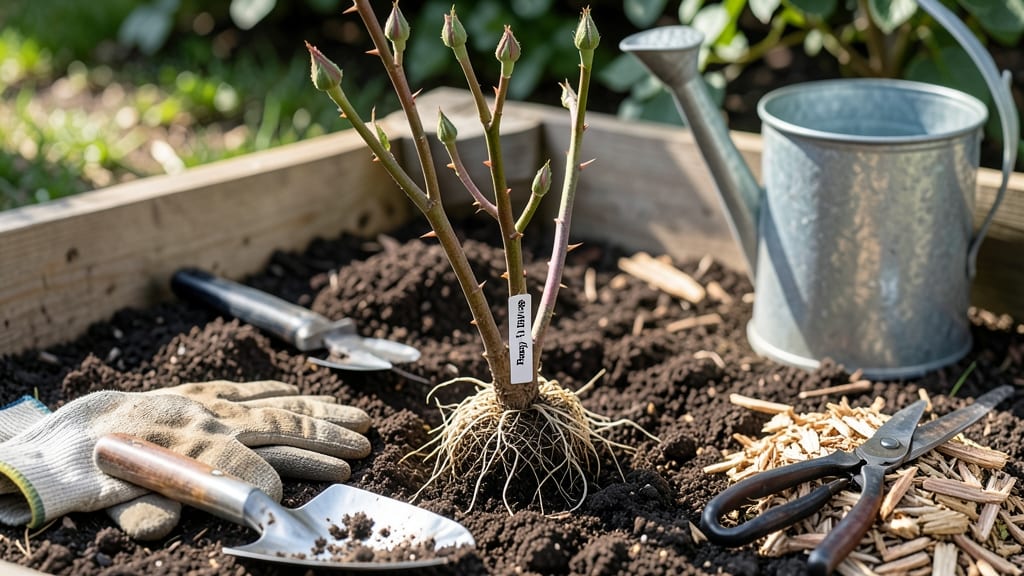
Timing when to plant roses in Tennessee can mean the difference between a lush, fragrant garden and a struggle to keep your 🌹 thriving. With the state’s varied climate—from Nashville’s mild winters to the cooler highlands—getting the window right is critical.
Plant too early, and a late frost could damage tender roots. Too late, and your roses may not establish before winter sets in. The key lies in understanding your specific USDA zone (6a-7b) and local frost dates, which can shift planting deadlines by weeks.
In this guide, I’ll break down the exact spring and fall windows for your region, plus pro tips for bare-root vs. container roses. Whether you’re a first-time gardener or a seasoned grower, these insights will help you plant with confidence.
Ready to transform your yard into a rose-filled paradise? Let’s dive into the perfect timing for your Tennessee garden.
Tennessee’s rose planting zones: exact dates by USDA hardiness Zone
Tennessee spans USDA Zones 6b through 8a, meaning your ideal planting window depends heavily on where you live. For example, Nashville (Zone 7a) has a longer growing season than Bristol (Zone 6b), which experiences earlier frosts.
Let’s break down the precise timing for each zone to ensure your roses thrive from the start.
Most Tennessee gardeners plant roses during two optimal windows: early spring (after last frost) or early fall (6-8 weeks before first frost). The key is avoiding extreme heat or cold, which stress young roots.
Use the table below to find your zone’s exact deadlines and adjust for microclimates like urban heat islands or sheltered valleys.
🌹
For bare-root roses, soak roots in water for 4–6 hours before planting to revive dormant buds. Container-grown roses, however, can plant year-round in Zone 8a but still benefit from the spring/fall windows for best establishment.
Always check your local Almanac frost dates—they’re more reliable than zone averages for microclimates.
If you’re in Zone 6b, prioritize fall planting (September) to give roots time to harden off before winter. In Zone 8a, you can plant as late as November if soil temps stay above 60°F. Use a soil thermometer to confirm—roots won’t grow below 50°F.
🌿
Pro tip: Adjust for microclimates. A south-facing slope in Nashville (Zone 7a) might warm enough for early March planting, while a low-lying area could delay planting until April. Observe your garden’s frost patterns for 2–3 years to refine your timeline.
Container roses deserve special attention. Since they’re already potted, you can plant them anytime soil isn’t frozen, but spring (March–April) is ideal for maximum bloom potential. Just ensure the container has drainage holes and use well-draining soil to prevent root rot.
🪴
Finally, mulch heavily after planting—whether in spring or fall—to protect roots from temperature swings. Use 3–4 inches of organic mulch (like shredded bark) and keep it 2–3 inches away from the stem to prevent moisture buildup.
This simple step can mean the difference between a thriving rose and one struggling to survive Tennessee’s hot summers and cold winters.
5 Critical factors that determine your ideal planting time in Tennessee
Timing your rose planting isn’t just about checking a calendar—it’s about reading your soil temperature, understanding your local microclimate, and knowing your rose’s variety-specific needs.
In Tennessee, these five factors often decide whether your roses thrive or struggle. Let’s break them down so you can plant with confidence.
First, soil temperature is your best friend. Roses need soil that’s at least 50°F (10°C) for bare-root varieties and 60°F (15°C) for container-grown roses. Use a soil thermometer to check—if it’s colder, wait. Cool soil can shock roots and stunt growth, even if the air feels warm.
Next, last frost dates are your planting guardrails. While the average last frost in Tennessee hovers around March 15, microclimates like Nashville’s urban heat islands or Chattanooga’s valley frost pockets can shift this by 1-2 weeks.
Check the Almanac’s Frost Calculator for your exact location and plant 2-3 weeks after that date to avoid frost damage.