
Plants
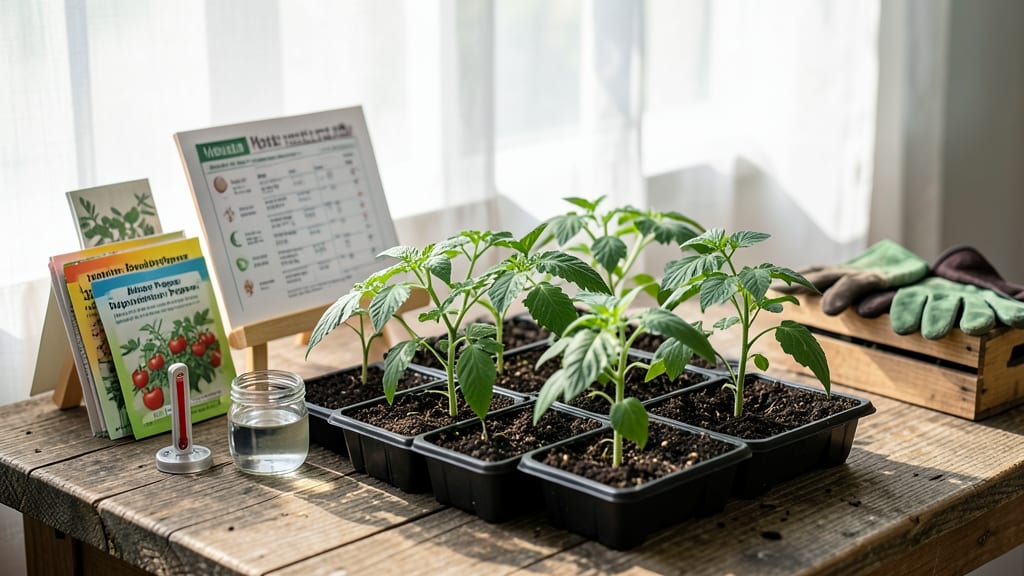
Timing your when to plant seeds in Missouri can feel like playing a high-stakes game of Mother Nature’s roulette—one wrong move, and your seedlings become a snack for late frosts. But here’s the good news: Missouri’s zones 5-6 actually offer a surprisingly predictable window if you know the tricks.
I’ve spent years tracking frost dates and testing planting schedules, and the difference between a garden that thrives and one that barely survives comes down to two key factors: soil temperature and last frost averages.
Whether you’re growing cool-season greens or heat-loving tomatoes, getting this right means skipping the guesswork and starting strong.
Let’s break down the exact weeks you should plant your favorite seeds—from early spring peas to late-summer basil—so you can avoid the most common mistakes Missouri gardeners make. Spoiler: It’s not just about the calendar date.
Ready to turn your seed packets into a bountiful harvest? I’ll walk you through the zone-specific deadlines, indoor-starting tips, and even how to cheat the system with row covers. No more wasted seeds—just a garden that actually grows.
Missouri last frost dates by zone: critical timing for seed planting
Missouri’s last frost dates vary dramatically between zone 5 (northern areas) and zone 6 (southern regions), making timing everything for seed success. In zone 5a/5b, expect your last frost around April 15-30, while zone 6a/6b typically sees frost-free conditions by April 1-15.
These dates mark your window for planting cool-season crops like lettuce and peas.
Warm-season crops—think tomatoes, peppers, and cucumbers—need to wait until soil temperatures hit 60°F+, usually after May 15 in most of Missouri. For southern Missouri (zone 6), you might push this to early May, but northern gardeners should hold off until late May to avoid frost damage.
🌱 Pro Tip: Use the University of Missouri Extension’s frost calculator to get hyper-localized dates for your specific county. Microclimates near rivers or hills can shift frost dates by 1-2 weeks!
| Zone | Avg. Last Frost | Safe Planting Window | Warm-Season Ready |
|---|---|---|---|
| 5a/5b (North) | April 15-30 | Cool crops: April 1-May 10 Warm crops: After May 15 |
Soil 60°F+ (late May) |
| 6a/6b (South) | April 1-15 | Cool crops: March 15-April 15 Warm crops: After May 1 |
Soil 60°F+ (early May) |
🌡️ Note: Always verify with local weather forecasts—frost can linger!
For cool-season crops, aim to plant seeds 4-6 weeks before your last frost date. This gives seedlings time to establish before cold snaps.
For example, spinach and kale can handle light frosts, so you can start them as early as March in zone 6 or late March in zone 5.
Warm-season crops like tomatoes and peppers are frost-sensitive, so wait until 2 weeks after your last frost date. In Missouri, this typically means early June for northern zones and late May for southern areas. Direct sowing these seeds too early risks stunted growth or death.
🌿 Missouri-Specific Tip: If you’re in St. Louis (zone 6a), you can start peppers indoors in March and transplant after the last frost. For Kansas City (zone 6b), hold off until mid-April for indoor starts to avoid overcrowding before transplanting.
Don’t forget about succession planting! Crops like bush beans and radishes can be sown every 2-3 weeks until July 1 to ensure a continuous harvest. This works especially well in zone 6, where summers are longer.
📋 Quick
Best crops to plant by month in Missouri (seed starting guide)
Missouri gardeners know that timing is everything—especially when it comes to planting seeds. Whether you're growing cool-season greens like lettuce or warm-season favorites like tomatoes, each crop has its ideal window. Use this month-by-month guide to align your planting with Missouri’s zone 5-6 climate, ensuring healthy starts and bountiful harvests. Start cool-season crops like peas, spinach, and carrots in late winter (February-March) for early harvests. These hardy plants tolerate light frosts, making them perfect for Missouri’s chilly springs. Direct-sow seeds as soon as the soil is workable, even if it’s still cold—just cover them with a row cover for extra protection.- February-March: Peas, spinach, lettuce, carrots, radishes. Soil temp: 40-50°F
- April: Broccoli, cabbage, kale, onions, potatoes. Soil temp: 50-60°F
- May: Tomatoes, peppers, cucumbers, beans, corn. Soil temp: 60°F+
- June-July: Succession plant beans, cucumbers, squash. Heat-tolerant: Okra, sweet potatoes
- August-September: Cool-season crops for fall harvest: kale, spinach, radishes. Soil temp: 50-60°F
Pro tip: Use black plastic mulch to warm soil faster for warm-season crops. This trick works especially well in Missouri’s cooler zones, giving seeds a head start. Just remove it once plants are established to prevent overheating.
Don’t forget about succession planting—a Missouri gardener’s secret weapon. After harvesting early crops like radishes or lettuce, replant the space with fast-growing beans or bush peas. This keeps your garden productive all season long. For example, plant a second round of bush beans in early June for a late-summer harvest when other crops slow down.Missouri-specific tip: If you’re in a microclimate (like a sheltered valley or urban heat island), adjust your planting dates by 1-2 weeks. South-facing gardens warm up faster, while shaded areas may need delayed starts. Always check the University of Missouri Extension’s frost date maps for your exact location.
Extend your growing season with fall planting. By late July, start sowing cool-season crops like spinach and kale for harvests in autumn. These plants thrive in cooler weather and can even survive light frosts. Use row covers to protect tender greens from early freezes in October.Remember: Missouri’s weather is unpredictable, so always have a backup plan. Keep seed packets handy for replanting if early frosts strike. With this guide, you’ll maximize your garden’s potential—no guesswork required!