
Plants
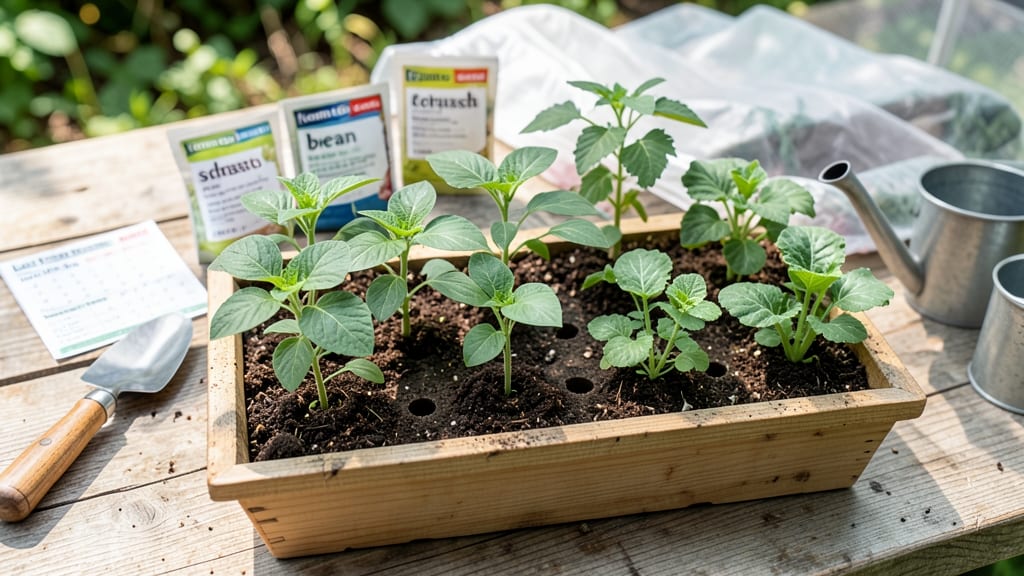
Timing your seed planting in South Carolina isn’t just about following a calendar—it’s about outsmarting the state’s unpredictable shifts from humid coastal breezes to Piedmont heatwaves. Get it wrong, and your garden could face stunted growth, pest invasions, or even total failure before the first harvest.
But nail those planting windows, and you’ll enjoy a thriving garden with minimal extra effort.
South Carolina’s USDA Zones 7b-8a create unique challenges, from coastal areas where frost lingers later to Upstate regions where summer heat arrives early. I’ll break down exactly when to plant—whether you’re growing heat-loving tomatoes or cool-season greens—so you can avoid common mistakes and maximize your yield.
Ever wondered why your neighbor’s garden thrives while yours struggles? The answer often lies in microclimates and soil prep. I’ll show you how to adjust planting times based on your specific zone, plus pro tips for container gardening or raised beds that work year-round in SC’s climate.
Ready to transform your garden? Let’s dive into the zone-specific deadlines and strategies that’ll have your seeds sprouting strong—and your harvests bountiful—all season long.
South Carolina seed planting deadlines by USDA zone (with microclimate adjustments)
South Carolina spans USDA Zones 7b to 8a, but don’t let those numbers fool you—your exact last frost dates and heat tolerance can shift dramatically between Charleston’s coastal humidity and Greenville’s Piedmont climate.
Even within a single zone, microclimates (like urban heat islands or shaded valleys) can push your planting window 2-4 weeks earlier or later.
For most of the state, spring planting kicks off in mid-March to early April, while fall planting wraps up by mid-September.
But coastal areas (like Beaufort or Hilton Head) can start 2 weeks earlier due to milder winters, while the Upstate (Greenville, Spartanburg) may need to wait until mid-April to avoid frost damage.
Heat-loving crops like okra or sweet potatoes can go in as early as late February in Zone 8a, but frost-sensitive tomatoes or peppers should wait until after April 15.
Here’s the visual cheat sheet for your zone, including last frost dates, ideal planting windows, and fall harvest deadlines to avoid bolting or stunted growth:
| Zone & Location | Last Frost Date | Spring Planting Window | Fall Planting Deadline | Heat-Tolerant Crops |
|---|---|---|---|---|
| Zone 7b (Coastal: Charleston, Beaufort) | Feb 15–Mar 1 | Feb 20–Apr 15 | Sep 15–Oct 10 | Okra, Sweet Potatoes, Southern Peas |
| Zone 7b (Piedmont: Columbia, Camden) | Mar 1–Mar 15 | Mar 10–Apr 30 | Sep 1–Sep 20 | Tomatoes, Peppers, Eggplant |
| Zone 8a (Upstate: Greenville, Spartanburg) | Mar 15–Apr 1 | Apr 1–May 15 | Oct 1–Oct 15 | Cantaloupe, Cucumbers, Basil |
| All Zones (Container Gardening) | Adjust by 2–4 weeks | Start indoors 6–8 weeks early | Use row covers to extend | Lettuce, Herbs, Radishes |
Pro tip: Use soil thermometers (not air temperature!) to confirm 50°F+ soil for cool-season crops like broccoli or 70°F+ for warm-season beans. Coastal areas can plant southern peas as early as February, while Upstate gardeners should wait until mid-April to avoid 32°F nights.
For fall planting, aim to harvest before first frost (typically mid-November in Zone 7b to late November in Zone 8a). Spinach and kale can handle light frosts, but bush beans and cucumbers must be in the ground by mid-September to mature before cold snaps.
Use black plastic mulch to warm soil 5–10°F faster in spring or straw mulch to insulate roots in fall.
If you’re in a transition zone (like the Lowcountry or Sandhills), err on the side of planting later—cooler soils and humidity can delay germination. For example, tomato seeds may take 3 weeks to sprout in 55°F soil vs. 1 week in 70°F soil.
Always check seed packet instructions for days to germination and adjust your timeline accordingly.
Remember: South Carolina’s long growing season (up to 280 frost-free days in Zone 8a) lets you double-crop! Plant radishes in early spring, pull them, then sow beans in the same spot by late May. Or try fall broccoli after harvesting summer squash.
Finally,
How to adjust planting times for South Carolina’s 3 key microclimates (coastal, Piedmont, Upstate)
South Carolina’s three distinct microclimates—coastal, Piedmont, and Upstate—each demand unique planting strategies. The coastal zone (USDA 8a) enjoys longer growing seasons but battles humidity and salt spray, while the Upstate (Zone 7b) faces earlier frosts and cooler soils.
The Piedmont region strikes a balance but requires precise timing for heat-sensitive crops.
Your microclimate adjustments start with soil temperature. Coastal areas warm faster in spring, allowing early planting of heat-lovers like okra and sweet potatoes by mid-March. Meanwhile, Upstate gardeners should wait until mid-April to avoid frost damage to tomatoes and peppers.
Piedmont gardeners fall in between, with late March to early April ideal for most seeds.
Humidity plays a critical role too. Coastal gardens need better airflow to prevent fungal diseases like powdery mildew. Use raised beds or containers if your yard feels perpetually damp.
Upstate gardeners, however, can leverage cooler nights to extend fall planting into October for crops like kale and spinach, while coastal areas must finish by mid-September to avoid hurricane season disruptions.
Row covers and cold frames become your best friends in adjusting timelines. In the Upstate, these tools let you start cold-hardy crops like broccoli and cabbage 3-4 weeks earlier than the official frost date. Coastal gardeners can use them to protect late-season tomatoes from unexpected chilly snaps. Always remove covers during the day to prevent overheating—especially in the Piedmont’s intense summer sun.
Seedling transplants also need microclimate-specific care. Coastal nurseries can harden off seedlings by early March, while Upstate gardeners should delay until after Mother’s Day. Piedmont gardeners have a 3-week window between these extremes. Pro tip: Monitor soil warmth with a thermometer—most seeds need 60°F+ for reliable germination.
Pest pressure varies wildly by zone too. Coastal gardens face army worms and squash bugs earlier, while Upstate areas battle cabbage worms and flea beetles later in the season. Adjust your planting schedule to avoid peak pest periods—for example, delay cucumbers until after Memorial Day in the Piedmont to miss the worst beetle outbreaks.
Container gardening offers flexibility for all zones. Coastal balconies can grow basil and peppers year-round with proper drainage, while Upstate containers let you extend fall harvests by moving pots to sheltered spots. Remember: Container soil dries faster in coastal heat, so water daily in summer regardless of zone.
🌱 5 Microclimate Planting Adjustments You Can’t Ignore
- Coastal: Plant heat-lovers 2-3 weeks earlier than Piedmont (try okra by March 15).
- Upstate: Delay frost-sensitive crops until after April 15—wait for 50°F night temps.
- Piedmont: Use row covers to plant broccoli by March 20 and spinach by September 1.
- All zones: Test soil warmth—most seeds need 60°F+ for germination.
- Containers: Coastal pots need daily watering in summer; Upstate pots can extend fall harvests.
Timing isn’t just about dates—it’s about reading your local cues. Watch for wisteria blooms (sign of spring) or goldenrod (fall’s arrival) to fine-tune your schedule. And when in doubt, consult your local Cooperative Extension Service—they track real-time conditions for your exact ZIP code.
With these microclimate tweaks, you’ll maximize your garden’s potential no matter where in South Carolina you garden. 🌿