
Plants
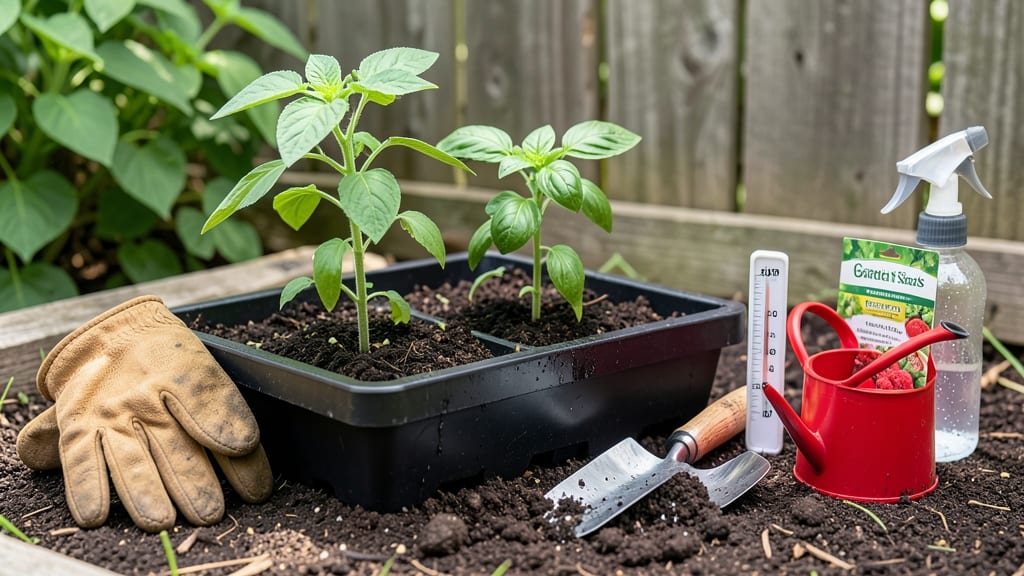
Knowing when to plant seeds in Zone 6 can mean the difference between a thriving garden and wasted effort. With frost dates hovering around mid-April and mid-October, timing your plantings just right ensures your 🌱 General Seeds get the perfect start—whether you're growing tomatoes, herbs, or vibrant flowers.
Spring is your golden window for cool-season crops like lettuce and peas, while warm-season favorites such as basil and cucumbers should wait until after the last frost—usually late May.
But here’s the catch: some seeds, like radishes, sprout in just 5 days, while others take weeks, so adjusting your schedule matters.
I’ll break down the exact months for each variety, including how to handle succession planting for continuous harvests. No more guessing—just reliable germination and bountiful yields all season long.
Ready to transform your garden into a productive powerhouse? Let’s dive into the most important planting times tailored for Zone 6’s unique climate—so you can enjoy fresh produce from spring through fall.
Zone 6 seed planting calendar by month: what to sow when for best results
In Zone 6, your planting schedule hinges on last frost dates (typically mid-April) and first frost risks (usually mid-October). Cool-season crops like spinach and carrots thrive in early spring, while tomatoes and peppers need warm soil after frost danger passes.
Let’s break down the best months for each category to maximize your harvest.
For Zone 6 gardeners, timing isn’t just about months—it’s about soil temperatures and daylight hours. For example, cold-hardy peas can handle 40°F soil, while warm-loving cucumbers need 60°F+ to germinate. Below, I’ll share exact windows for cool-season, warm-season, and fall crops to avoid wasted effort.
Pro Tip: Use a soil thermometer to confirm readiness—some seeds won’t sprout until soil hits 50°F or warmer. In Zone 6, this often means waiting until late May for heat-lovers like beans and squash.
| Month | Cool-Season Crops | Warm-Season Crops | Fall/Winter Crops |
|---|---|---|---|
| March | Peas, Spinach, Lettuce, Radishes | None (too cold) | None |
| April | Broccoli, Kale, Onions, Potatoes | Start Indoors: Tomatoes, Peppers | None |
| May | Late: Beets, Swiss Chard | Beans, Corn, Cucumbers, Squash | None |
| June | None (too hot) | Tomatoes, Peppers, Eggplant | None |
| July | None | Succession Plant: Beans, Lettuce | Start Indoors: Broccoli, Cabbage |
| August | None | None (slow growth) | Kale, Spinach, Radishes |
| September | None | None | Carrots, Beets, Garlic |
| October | Cover Crops: Clover, Rye | None | None (frost risk) |
*Indoor starts recommended for tender crops before last frost date.
Notice how May is the sweet spot for warm-season crops—but don’t rush! Wait until soil temps hit 60°F+ for cucumbers and melons. Meanwhile, August is perfect for fall greens like kale and spinach, which sweeten after frost.
For herbs, timing varies widely: basil loves heat (plant after May 15),
Fast-germinating vs slow-germinating seeds: adjusting planting times for Zone 6 success
Not all seeds germinate at the same speed, and in Zone 6, this difference can mean the gap between a thriving garden and lost opportunities. Fast-germinating seeds like radishes or lettuce pop up in just 5-7 days, while slower varieties like peas or beans take 14-21 days or longer.
Adjusting your planting schedule based on germination speed ensures you don’t miss harvest windows or waste seeds.
For fast-germinating seeds, you can often sow directly 2-3 weeks before your last frost date (typically mid-April in Zone 6). These quick starters give you a head start on the growing season, and you can even try succession planting every 2 weeks for continuous harvests.
Radishes, for example, are ready in just 30 days, so planting them in March and April ensures a steady supply.
Slow-germinating seeds, on the other hand, need warmer soil and more patience. Peas and beans prefer soil temperatures above 50°F, so wait until late April to early May to sow them outdoors.
If you’re eager to start earlier, consider indoor seed starting 4-6 weeks before your last frost date to give them a head start. This way, they’ll be ready to transplant once the soil warms up.
Here’s how to adjust your planting strategy based on germination speed:
| Seed Type | Germination Time | Ideal Planting Time (Zone 6) | Soil Temp Threshold | Succession Planting? |
|---|---|---|---|---|
| Radishes | 5-7 days | March-April | 40-50°F | Yes (every 2 weeks) |
| Lettuce | 7-14 days | March-May, August-Sept | 45-55°F | Yes (every 3 weeks) |
| Peas | 14-21 days | Late April-Early May | 50-60°F | Yes (every 2 weeks) |
| Beans | 7-14 days | May-June | 60-70°F | Yes (every 3 weeks) |
| Tomatoes | 7-14 days (indoor) | Indoor: March-April; Outdoor: May-June | 70-80°F | No (long season) |
Another key factor is soil temperature. Use a soil thermometer to monitor conditions—most seeds need soil temps between 50°F and 85°F to germinate well. For example, cool-season crops like spinach and kale thrive in 45-55°F soil, while warm-season crops like cucumbers and peppers need 70-85°F.
If your soil is too cold, germination slows or fails entirely.
To maximize your harvest, plan for succession planting with fast germinators. For instance, sow bush beans every 2 weeks from May through July to enjoy fresh pods all summer.
For slower germinators like carrots or onions, start with a single planting in early spring and another in late summer for a fall harvest. This strategy ensures you’re always harvesting something fresh.
Pro tip: Keep a gardening journal to track germination times and adjust future plantings. Note which seeds sprouted quickly, which struggled, and how weather conditions affected growth. Over time, you’ll fine-tune your schedule for Zone 6 success every season. 🌱