
Shrubs
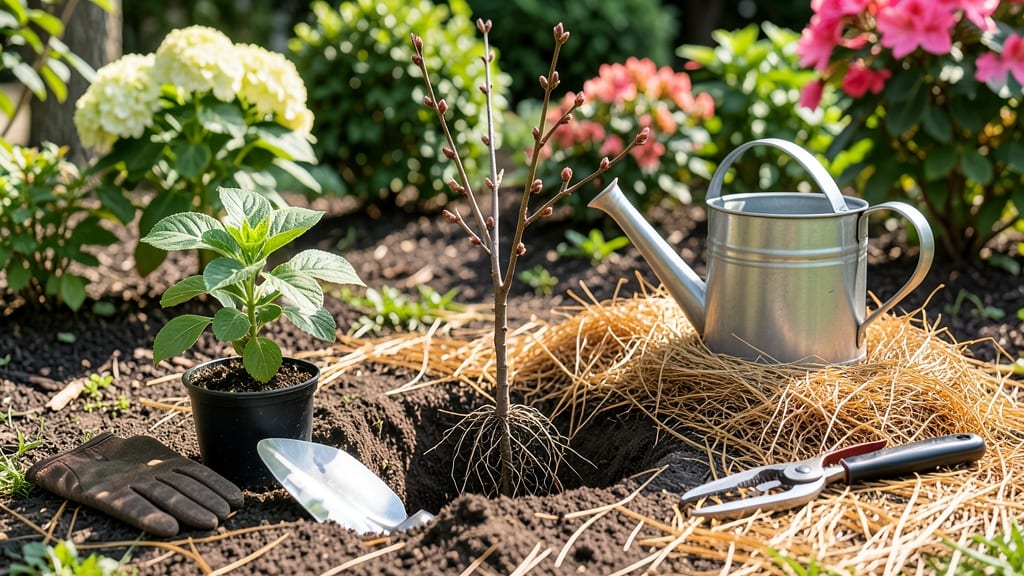
Timing your shrubs planting in Massachusetts can mean the difference between thriving 🌿 greenery and a sad, struggling investment. With USDA Zones 5b-7a bringing unpredictable frost patterns, getting those roots established at the right moment is everything.
Most gardeners know spring and fall are the magic windows—but did you know April-May and September-October offer the perfect balance? Too early, and frost will nip your progress; too late, and your shrubs won’t anchor before winter.
I’ll break down exactly when to plant based on your microclimate, whether you’re near the coast or inland.
You’ll also discover how to prep your soil, spot the 5 critical signs your shrubs aren’t ready, and adjust for different types—evergreens, flowering varieties, and more. No more guessing games when it’s time to dig in.
Let’s make sure your shrubs take root strong and grow into the landscape stars they’re meant to be—without the stress of last-minute adjustments.
Best planting months for shrubs in Massachusetts (Zone 5-6)
Massachusetts’ USDA Zones 5-6 offer a 140-180 frost-free day window, making timing everything for shrub success. Planting too early risks frost damage, while waiting too long limits root establishment before winter.
The ideal windows are early spring (April-May) and early fall (September-October), when soil temperatures hover between 50°F-65°F—perfect for root growth without stress.
Inland areas like Worcester (Zone 5b) face earlier frosts (October 15), while coastal spots like Cape Cod (Zone 6a) enjoy extended seasons. Always check your last frost date (typically mid-April) and first frost date (typically mid-October) for precise planning.
Using a frost calendar from the Massachusetts Horticultural Society ensures accuracy.
🌱 Massachusetts Shrub Planting Timeline
| Season | Best Planting Window | Soil Temp Threshold | Key Considerations |
|---|---|---|---|
| Spring | April 15 - May 15 | 50°F-65°F | Soil workable; avoid late bloomers |
| Fall | September 1 - October 1 | 50°F-60°F | 6-8 weeks before first frost |
| Late Spring (Backup) | June 1 - June 15 | 60°F+ | Water deeply; mulch heavily |
Spring planting in April-May gives shrubs 6-8 weeks of warm soil before summer heat peaks. For example, hydrangeas and azaleas thrive when planted in early May after the last frost, while evergreens like boxwood prefer late April to avoid drought stress.
Always amend soil with compost (2-3 inches) to improve drainage—critical in clay-heavy MA soils.
Fall planting in September-October capitalizes on cool temps and moisture, reducing transplant shock. Deciduous shrubs like serviceberry and smoke bush benefit from fall’s root-boosting conditions, while evergreens should be planted 6 weeks before frost to avoid winter desiccation.
Coastal areas can extend fall planting until early November due to milder microclimates.
Missed the ideal window? June planting is a second-best option for heat-tolerant varieties like butterfly bush or potentilla. However, prioritize deep watering (1-2 inches per week) and mulching (3-4 inches) to compensate for summer’s high evaporation rates.
Avoid planting in July-August—the heat stresses young roots, and drought conditions are common across Massachusetts.
Pro tip: Use a soil thermometer to confirm 50°F+ soil temps before planting. In Zone 5b, wait until May 1 for spring planting; in Zone 6a, you can start as early as April 20.
For fall, aim to finish by September 30 to ensure roots establish before winter dormancy.
Regional variations matter! Western MA (e.g., Berkshires) has colder microclimates with earlier frosts, while southeastern MA (e.g., Providence) enjoys longer growing seasons. Adjust your timeline by 1-2 weeks based on your specific location. Always monitor local weather forecasts for unexpected frost events.
After planting, water deeply for 10-15 minutes to settle soil and eliminate air pockets. For the first 2-3 weeks, water every 3-4 days to encourage root spread. In drought-prone areas like central MA, consider drip irrigation for consistent moisture.
Remember: Bare-root shrubs need immediate planting (no storage), while container-grown shrubs can wait 1-2 weeks if roots are well-moistened. Always prune damaged roots before planting to reduce transplant shock—a critical step for MA’s unpredictable springs.
Best planting months for shrubs in Massachusetts (Zone 5-6)
Massachusetts’ USDA Zones 5b-6a create a tight window for planting shrubs—miss it, and your new shrubs may struggle through winter or fail to establish roots before frost.
The ideal planting months are April-May (spring) and September-October (fall), when soil temperatures hover between 50°F and 65°F—perfect for root growth without heat stress.
Spring planting gives shrubs 6-8 weeks of warm weather to settle in before winter, while fall planting allows roots to grow without competing with summer heat. Never plant in late fall or winter—frost will kill tender roots before they establish.
Coastal areas (like Zone 6a) have slightly longer frost-free windows than inland regions.
🌱 Comparison Table: Spring vs. Fall Planting in Massachusetts
| Factor | Spring Planting (April-May) | Fall Planting (September-October) |
|---|---|---|
| Soil Temp | 50°F-65°F | 50°F-65°F |
| Frost Risk | Low after April 15 | Low before Oct 15 |
| Water Needs | High (weekly deep watering) | Moderate (bi-weekly) |
| Best For | Deciduous shrubs (e.g., Hydrangea, Lilac) | Evergreens (e.g., Boxwood, Holly) |
| Establishment Time | 6-8 weeks before frost | 4-6 weeks before frost |
For spring planting, aim to get shrubs in the ground by May 1—this gives roots time to establish before the first frost (typically October 15 in Zone 5b). Use a soil thermometer to confirm temperatures are above 50°F before planting.
Fall planting is ideal for evergreen shrubs like Boxwood or Yew, which need time to root before winter. Plant by September 30 to avoid winter stress. Mulch heavily (3-4 inches) to insulate roots during cold snaps.
Pro tip: Check the Massachusetts Agricultural Extension Service for local frost dates—coastal areas (like Barnstable) often have 10-14 days longer frost-free windows than inland zones. Adjust your timing accordingly!
🌿