
Plants
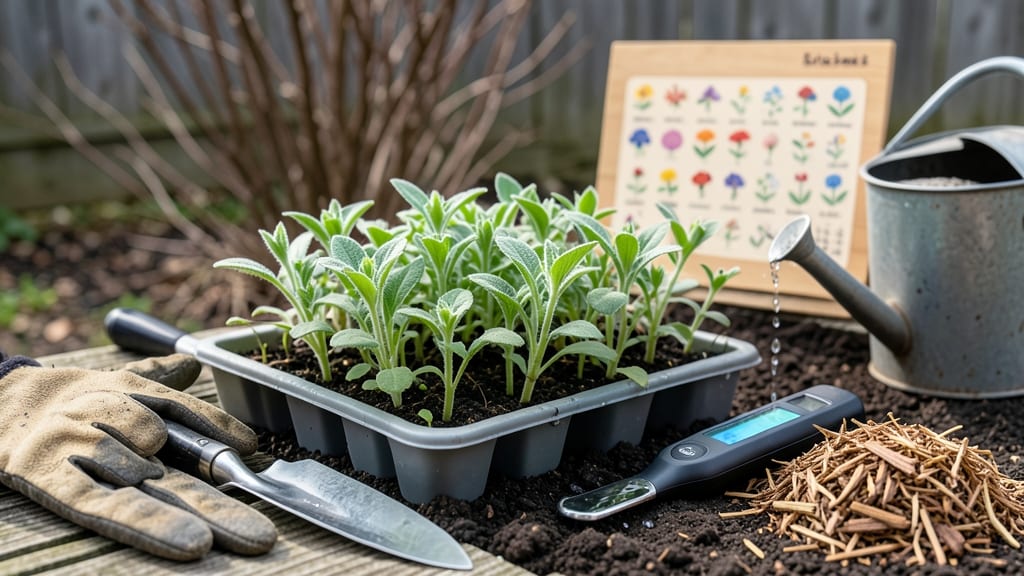
If you love vibrant 🌸 snapdragons and want to know when to plant snapdragons in zone 9, you might think these cool-weather favorites are off-limits. The good news? With the right timing and heat-tolerant varieties, you can still grow stunning snapdragons that thrive in your climate.
Most gardeners know snapdragons prefer cooler weather, but in Zone 9, the key is planting them early—either in late winter or fall—when temperatures are milder. This strategy helps them establish strong roots before summer’s intense heat arrives, giving you beautiful blooms when other flowers might struggle.
I’ve tested different planting windows and varieties, and what I’ve discovered works like a charm: fall planting (September-October) is your best bet for avoiding summer stress. You’ll learn exactly which varieties handle heat better, plus simple care tips to keep your snapdragons looking their best all season long.
Ready to grow snapdragons that defy the heat? Let’s dive into the perfect timing, soil prep, and care routines that’ll have your garden bursting with color—even in Zone 9’s warmest months.
Best planting windows for snapdragons in Zone 9’s hot climate
Zone 9’s intense summer heat can stress snapdragons, but timing your plantings strategically ensures stunning blooms. The ideal windows are late winter/early spring (February–March) and fall (September–October). These periods avoid peak heat while maximizing bloom duration.
Spring planting gives you early blooms before temperatures rise, while fall plantings extend your season into cooler months. For direct sowing, aim for 6–8 weeks before last frost (mid-January in Zone 9). Transplants can go in slightly later, around February 15.
Here’s why timing matters: Snapdragons bolt (go to seed) quickly in heat. Fall planting lets them establish roots before winter, then bloom in spring without summer stress. Spring plantings risk wilting if summer arrives early.
| Planting Method | Best Time | Bloom Window | Heat Risk |
|---|---|---|---|
| Direct Sowing | September 15–October 15 | Spring (March–May) | Low (cooler nights) |
| Transplants (Fall) | October 1–November 15 | Winter–Spring (Dec–April) | Very Low |
| Transplants (Spring) | February 15–March 15 | Spring–Early Summer (April–June) | Moderate (avoid June+) |
For spring blooms, start seeds indoors in January under grow lights. Harden off seedlings for 1–2 weeks before transplanting after February 15. Use shade cloth (30–50%) if temperatures exceed 85°F.
Fall plantings are my favorite for Zone 9—snapdragons thrive in cool weather and often rebloom in spring. Choose heat-tolerant varieties like ‘Matrix’ or ‘Rocket’ for better survival. Plant seeds 6–8 weeks before first frost (mid-December).
Pro tip: Mulch heavily after planting to retain moisture. Use 2–3 inches of straw or wood chips to protect roots from temperature swings. Avoid synthetic mulches—they trap heat.
If you miss fall planting, don’t despair! June sowings can work with daily shade and evening watering. These plants may bolt faster but still produce late-summer blooms before heat peaks.
Always check your microclimate. Areas near water features or shaded by trees stay cooler. Test soil temps—snapdragons prefer 55–75°F for germination. Use a soil thermometer to avoid planting too early.
For container gardening, plant in March or September when temps are mild. Containers heat up faster, so use self-watering pots and light-colored containers to reflect heat. Move pots to shadier spots by midday in summer.
Best planting windows for snapdragons in Zone 9’s hot climate
Zone 9’s warm winters and scorching summers make snapdragon planting tricky, but timing is everything. Unlike cooler climates where spring planting dominates, Zone 9 gardeners should prioritize fall planting to avoid summer heat stress.
This strategy lets snapdragons establish roots before the hottest months arrive, ensuring longer bloom periods and healthier plants.
Direct sowing in September or early October gives snapdragons a head start. The cooler fall temperatures mimic their native Mediterranean climate, while still allowing them to mature before winter.
For those who prefer transplants, late August to mid-September is ideal—just avoid planting after mid-October, as they may not establish before winter dormancy.
🌱 Snapdragon Planting Comparison for Zone 9
| Method | Best Time | Bloom Window | Heat Risk |
|---|---|---|---|
| Direct Sowing | September-October | Winter-Spring | Low |
| Transplanting | Late August-Mid-Sept | Fall-Winter | Moderate |
| Spring Sowing | February-March | Summer (High Risk) | Very High |
⚠️ Spring planting in Zone 9 often results in bolting or heat stress, drastically reducing bloom quality.
If you’re determined to try spring planting, start seeds indoors in January and transplant outdoors in late February to early March. Use shade cloth to protect young plants from Zone 9’s intense afternoon sun, which can cause leaf scorch.
This method is riskier but can yield late-spring blooms if conditions are ideal.
For continuous color, succeed fall plantings with a second round in January. The cooler winter months in Zone 9 create perfect conditions for snapdragons to thrive without the threat of summer heat. Just be sure to choose heat-tolerant varieties (like 'Matrix' or 'Rocket') to improve your chances of success.
Pro tip: Monitor soil temperatures—snapdragons prefer 50-70°F for germination. Use a soil thermometer to avoid planting too early when soils are still warm. In Zone 9, this often means waiting until afternoon highs drop below 85°F consistently.
Finally, mulch heavily after planting to retain moisture and regulate soil temperature. A 2-3 inch layer of organic mulch (like straw or wood chips) can make the difference between thriving snapdragons and stressed plants struggling in the heat.
With the right timing, your Zone 9 garden can flourish with snapdragons year-round!