
Plants
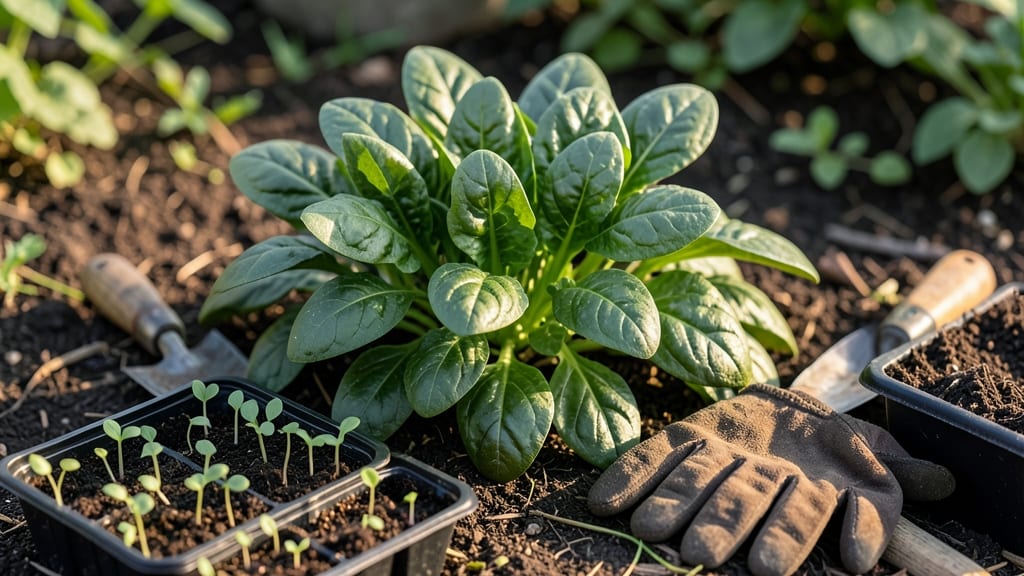
Timing your spinach planting in Louisiana can feel like solving a puzzle—too early, and the heat sends it bolting; too late, and you miss the sweet spot for those tender, homegrown greens.
But here’s the secret: the fall window (September–October) and early spring (February–March) are your golden tickets, especially in USDA zones 8a–9b.
Louisiana’s humid subtropical climate means coastal areas can start 4–6 weeks earlier than inland regions, where heat lingers longer.
Whether you’re in New Orleans or Shreveport, the key is planting when soil temps dip below 75°F—that’s your cue to get those seeds in the ground before the first frost sneaks in around December.
Why does this matter? Because spinach thrives in cool weather, and Louisiana’s microclimates throw a wrench into one-size-fits-all advice.
I’ll break down exactly when to plant in your specific corner of the state, plus pro tips to outsmart bolting and pests—so you can enjoy fresh, crisp greens straight from your garden.
Skip the guesswork and learn how to align your planting with Louisiana’s quirks. From soil prep to harvest timing, I’ve got the game-changer details to turn your spinach patch into a year-round success.
Louisiana spinach planting calendar by region: coastal vs. north vs. hill country
Louisiana’s three distinct microclimates—coastal, north, and hill country—create wildly different conditions for growing spinach. Coastal areas like New Orleans enjoy milder winters and longer growing seasons, while the hill country faces earlier frosts and hotter summers. Understanding these differences is key to timing your spinach plantings for success.
Spinach thrives in cool weather and struggles when temperatures rise above 75°F. In Louisiana, this means focusing on fall and early spring plantings. Coastal regions can push boundaries with winter plantings, while inland areas must act faster to avoid summer’s heat.
Let’s break down the best planting windows for each region.
🌱
For coastal Louisiana, the window to plant spinach stretches from late August through September for a fall harvest, with a second chance in January–February for spring greens. The milder climate allows for overwintering with row covers, extending harvests into early spring.
In contrast, northern Louisiana must act faster—plant by mid-September to avoid early frosts, and focus on February–March for spring plantings.
The hill country’s cooler nights and earlier frosts demand even earlier action. Aim for late August plantings to beat the first frost, which typically arrives by early November. Varieties like 'Tyee' or 'Bloomsdale Long Standing' tolerate cooler temps better, making them ideal for this region.
Always check your local frost dates—they can vary by 1–2 weeks depending on elevation.
Soil temperature is critical: spinach seeds won’t germinate well below 45°F, and growth stalls above 75°F. Use a soil thermometer to confirm temps before planting. In coastal areas, soil stays warm longer, while inland regions cool down faster.
This is why fall plantings are safer than spring—you avoid the unpredictable heat spikes of Louisiana’s transition seasons.
If you’re in Zone 8b–9a (most of Louisiana), plan for two planting cycles: one in fall and another in early spring. Coastal gardeners can squeeze in a winter harvest with protection, while inland gardeners should prioritize fall for the most reliable results.
Always choose slow-bolting varieties like 'Space' or 'Giant Winter' to maximize your harvest window.
🌿
One common mistake in Louisiana is assuming all regions follow the same schedule. Don’t plant spinach in May or June—the heat will cause
How to extend spinach season in Louisiana’s heat: cooling hacks for longer harvests
Louisiana’s summer heat forces spinach into early bolting—those bitter-tasting flower stalks appear faster than expected. But with the right cooling strategies, you can push harvests into late spring or even early fall plantings. The key? Mimicking cooler autumn conditions while protecting your plants from 90°F+ temperatures.
Start by selecting heat-tolerant varieties like ‘Bloomsdale Long Standing’ or ‘Tyee’, which handle mild heat better than standard types. Pair these with shade solutions—whether floating row covers, 30-50% shade cloth, or even drip irrigation to keep leaves cool.
These methods can delay bolting by 3-4 weeks in peak summer.
Here’s how to maximize your spinach’s growing window using practical cooling hacks tailored to Louisiana’s climate:
- Use shade cloth (30-50% blockage) to filter intense afternoon sun. Install it permanently over beds or temporarily during heatwaves. Coastal areas may need lighter shade (30%) due to higher humidity.
- Mulch heavily with 2-3 inches of straw or wood chips to insulate roots and retain moisture. This keeps soil temps 5-10°F cooler than ambient air, reducing stress.
- Water deeply twice daily: Once in early morning (6-8 AM) and again in late afternoon (4-6 PM). Focus on leaf surfaces to create evaporative cooling—avoid wetting leaves at night to prevent fungal issues.
- Plant in raised beds filled with light, sandy loam mixed with compost. Raised beds warm up slower than ground soil and drain better, reducing heat stress.
- Companion plant with radishes or bush beans, which provide light shade and improve soil structure. Avoid planting near tomatoes or peppers, which compete for nutrients and attract similar pests.
For late-spring plantings (March-April), time sowings to coincide with cooler fronts. Check the National Weather Service for forecasts predicting highs below 85°F for 5+ days—this is your optimal window. Use slow-release fertilizer (like 10-10-10) at planting to support steady growth without overheating roots.
If you’re pushing the envelope with summer spinach, start seeds indoors under grow lights 6-8 weeks before your target outdoor date. Harden off seedlings gradually, then transplant on a cloudy day or in late afternoon to minimize shock.
Pair this with daily shade cloth and morning watering to buy yourself 4-6 weeks of harvestable greens.
Remember: Spinach is a cool-season crop, and even with cooling tricks, it’ll bolt faster in summer. Prioritize fall plantings (September-October) for the most reliable harvests, but these hacks can extend your season when you’re craving fresh greens in late spring. 🌱