
Companion Plants
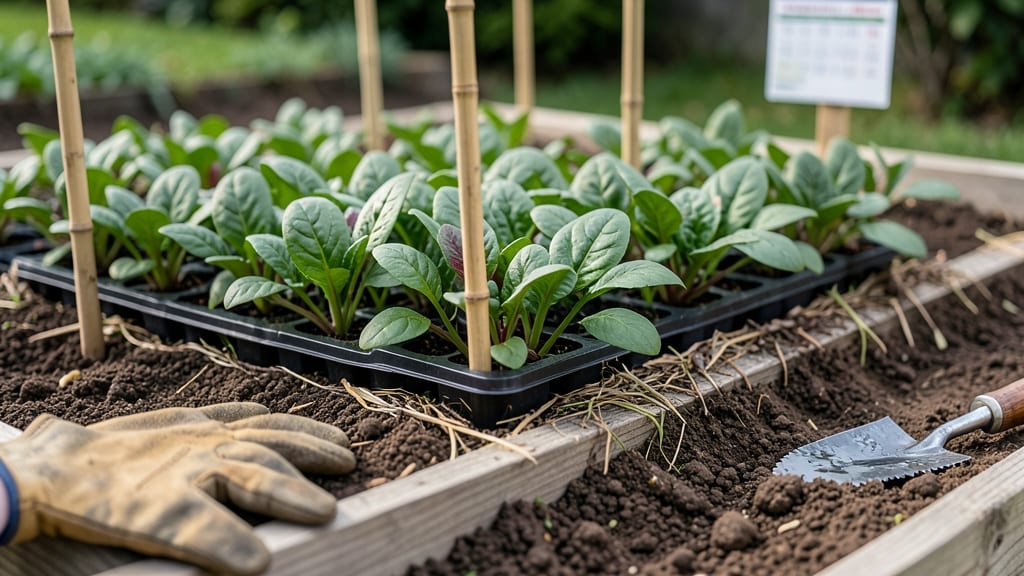
Timing your spinach planting in Pennsylvania can mean the difference between a lush, leafy harvest and bitter, bolted disappointment. With USDA zones 5b-7a offering everything from chilly northern valleys to milder southern regions, getting those seeds in the ground at just the right moment is key.
Most gardeners know spring is prime time for 🍃 spinach, but did you know late summer planting can also yield delicious fall harvests?
The secret lies in understanding your local frost dates and soil temperatures—something I’ve learned the hard way after watching my first batch bolt before reaching full maturity.
In this guide, I’ll break down exactly when to plant for both spring and fall crops, including how to adjust for microclimates and extend your growing season. Whether you’re a beginner or a seasoned gardener, these timing tips will help you avoid common mistakes and maximize your harvest.
Ready to grow spinach that’s tender, sweet, and ready to pick? Let’s dive into the perfect planting schedule for Pennsylvania’s unique climate—so you can enjoy fresh greens from your garden all season long.
Best planting windows for spinach in Pennsylvania’s climate zones
Pennsylvania’s diverse USDA zones (5b-7a) create unique challenges for spinach growers. The key to avoiding bitter, bolted leaves lies in planting at the right time—typically 4-6 weeks before the last frost in spring and 8-10 weeks before the first frost in fall.
Let’s break down the ideal windows for each zone to maximize your harvest.
For southern PA (zones 6b-7a), like Philadelphia or Lancaster, the last frost usually arrives by mid-April. This means your first planting should happen in early March for a late spring harvest.
In contrast, northern PA (zones 5b-6a), such as Erie or Scranton, faces later frosts—often late May—so aim for mid-April plantings.
Fall plantings are equally critical. In southern PA, sow seeds by early August for a harvest before the mid-October frost. Northern PA gardeners should plant by late July to avoid bolting before the late September frost.
Timing is everything—miss it, and you’ll end up with woody, tough leaves instead of tender greens.
🌱
Direct sowing is the best method for spinach, as transplants struggle to establish roots quickly. Plant seeds ½ inch deep in well-draining soil with a pH of 6.5-7.0. For faster germination, keep soil temperatures between 45-85°F, though spinach prefers cooler conditions (60-70°F) for optimal growth.
If you’re transplanting, start seeds indoors 4-6 weeks before your target outdoor date. Use biodegradable pots to minimize root disturbance when moving seedlings outdoors. Harden them off for 7-10 days by exposing them to outdoor conditions gradually.
For extended harvests, consider planting in succession every 2 weeks during the spring and fall windows. This ensures a steady supply of fresh spinach without overwhelming your garden at once. Just remember: spinach is a cool-season crop, so avoid planting when soil temperatures exceed 80°F.
🌿
Pro tip: Use shade cloth (30-50%) during hot afternoons to protect spinach from bolting. This is especially useful in southern PA where summer heat arrives earlier. Pair this with consistent watering (1 inch per week) to keep soil moist but not soggy.
Finally, monitor your local frost dates using resources like the Penn State Extension or the National Weather Service. Adjust your planting schedule by 1-2 weeks if you experience unusually early or late frosts.
With the right timing, you’ll enjoy crisp, sweet spinach straight from your PA garden all season long!
Best planting windows for spinach in Pennsylvania’s climate zones
Pennsylvania’s USDA zones 5b-7a create a diverse planting landscape for spinach. Southern regions like Philadelphia can start as early as late February, while northern areas like Erie should wait until mid-April.
The key is planting 4-6 weeks before your last frost date—this ensures seedlings mature before summer heat triggers bolting.
Spring planting is your best bet for crisp, sweet spinach. Aim for March-April sowing in most of PA, with late August-September as the window for fall crops.
Fall spinach thrives in cooler temps but must be planted early enough to harvest before first frost (mid-October in south PA, late September in north).
🌱 Pennsylvania Spinach Planting Schedule
| Zone | Spring Planting | Fall Planting | Harvest Window | Key Tip |
|---|---|---|---|---|
| 5b (Pittsburgh, State College) | Late March - Early April | Mid-August - Early Sept | May-June & Oct-Nov | Use row covers for early spring |
| 6a (Harrisburg, Lancaster) | Early March - Late March | Late July - Mid-August | April-June & Sept-Oct | Direct sow for best results |
| 7a (Philadelphia, Allentown) | Late February - Early March | Early August - Late August | March-May & Sept-Nov | Extend season with shade cloth |
For transplants, time it right by planting 3-4 weeks before your target spring window. Start seeds indoors in late January for southern PA or early March for northern regions. Harden off seedlings for 7-10 days before transplanting to avoid shock.
Soil temperature matters just as much as air temperature. Spinach germinates best when soil is 40-85°F. Use a soil thermometer to check—if temps hover above 80°F for more than a few days, your spinach will bolt.
In zone 7a, this often happens by early June, so plan accordingly.
Pro tip: Succession plant every 2 weeks in spring for continuous harvests. This staggered approach ensures you always have young, tender leaves ready to pick before the older plants bolt. Pair this with shade cloth (30-50%) during summer months to keep plants cool.
Remember, frost is your friend for spinach—it actually sweetens the leaves! Just don’t let it linger for more than 24-48 hours during active growth. In northern PA, this means protecting your fall crops with lightweight row covers as temperatures dip.