
Plants
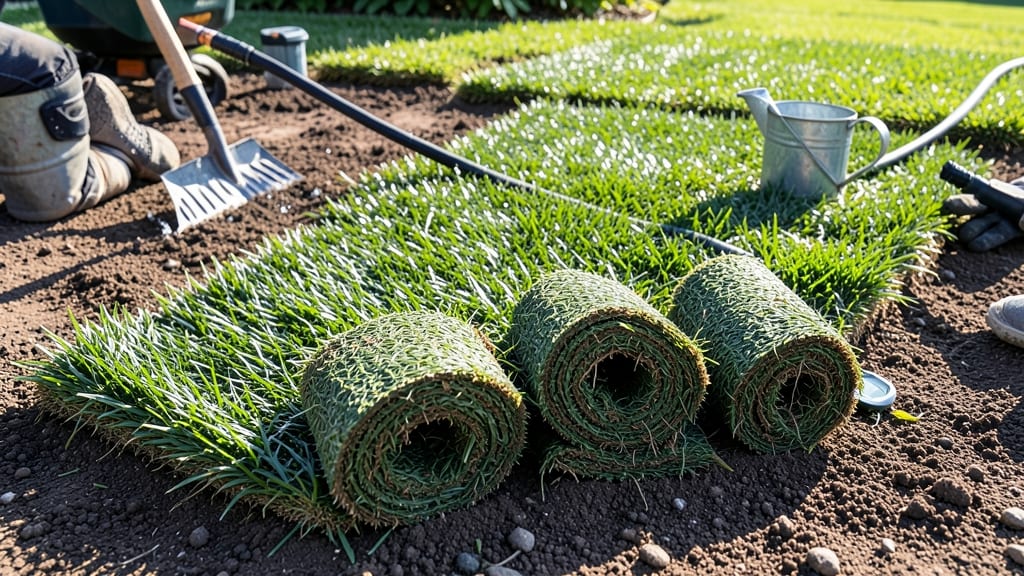
Planting St. Augustine Grass 🌿 in Texas isn’t just about dropping sod—it’s about timing the perfect window for deep roots that survive Texas’ brutal summers. Skip the wrong season, and you’ll watch your investment wither under the heat or struggle through cold snaps.
Most Texas homeowners assume spring is the only option, but fall actually offers cooler soil temperatures that help sod establish faster and stronger. Whether you’re in North Texas’ 8a zone or South Texas’ 10b, understanding these nuances makes all the difference.
I’ve seen firsthand how late February through June and September through October create the ideal conditions—when soil warms to 65°F but before extreme heat sets in. Let’s break down exactly how to match your location’s microclimate for a lawn that thrives year-round.
Ready to skip the guesswork? You’ll discover how to prep your soil, water like a pro, and avoid common mistakes that turn sod into a high-maintenance headache. Let’s get your Texas lawn growing the right way.
Best months to plant St augustine sod in Texas for maximum root growth
St. Augustine grass thrives in Texas’ humid subtropical climate, but the right planting window determines whether your lawn becomes a dense, vibrant carpet or a struggling patch.
The key is planting when soil temperatures stay above 65°F—this triggers rapid root development and helps sod establish before summer’s brutal heat. For Texas homeowners, this means focusing on spring and fall as the optimal planting seasons.
Spring planting—from late February to June—lets sod take advantage of warmer soil and increasing rainfall. This gives roots 6-8 weeks to establish before summer’s intense heat and drought stress kicks in.
Fall planting, from September to October, offers a second chance for deep root growth before winter slows activity. Both windows avoid the extreme heat of summer and cold snaps of winter, which can shock young sod.
Here’s why timing matters: St. Augustine sod needs consistent moisture and moderate temperatures to develop a strong root system. Planting in summer (June-August) risks heat stress and fungal diseases, while planting in winter (December-February) can lead to slow growth or frost damage.
The ideal window balances these factors for maximum success.
🌱 Key Takeaway: Aim for spring (Feb-Jun) or fall (Sep-Oct) to align with Texas’ climate and give your sod the best shot at deep roots before seasonal extremes hit.
🌿 St. Augustine Sod Planting Timeline for Texas
| Season | Ideal Planting Window | Soil Temp Requirement | Root Growth Potential |
|---|---|---|---|
| Spring | Late February – June | 65°F+ | High (6-8 weeks before summer heat) |
| Fall | September – October | 60°F+ | Moderate (4-6 weeks before winter slowdown) |
| Summer | Avoid (June–August) | Often >85°F | Low (heat stress risk) |
| Winter | Avoid (December–February) | Below 60°F | Very Low (slow growth, frost risk) |
For North Texas (USDA Zones 8a-8b), where last frost dates run mid-March, start planting in late February to beat the spring heat wave.
In Central and South Texas (Zones 8b-10b), where frost is rare, March-April is ideal for spring planting. Fall planting works statewide but must finish by October to avoid winter dormancy.
Another critical factor is rainfall patterns. Texas’ spring rains provide natural moisture, while fall offers cooler temps and steady showers.
If planting in dry months (like May or September), supplement with deep watering 2-3x weekly to mimic natural rainfall. Overwatering is just as bad as underwatering—aim for 1-1.5 inches per week to encourage deep root penetration.
Pro tip: Test your soil temperature before planting. Use a soil thermometer (insert 4 inches deep) to confirm it’s above 65°F. If it’s below 60°F, wait—cold soil stalls root growth.
In South Texas, where soil warms faster, you can plant 2-3 weeks earlier than North Texas. Adjust for microclimates, like urban heat islands or shady yards, which may shift your optimal window slightly.
Once you’ve picked your planting window, prepare your lawn by removing debris, leveling the soil, and adding compost for nutrients. Roll the sod after installation to remove air pockets, and water lightly daily for the first 2 weeks.
Avoid heavy foot traffic until roots are 3-4 inches deep (usually 4-6 weeks after planting).
Remember: Patience pays off. St. Augustine sod takes 6-8 weeks to fully establish, but planting at the right time ensures your lawn becomes a thick, resilient carpet that outshines neighbors’. Skip the summer rush—your grass will thank you with deep roots and lush green all season long. 🌿
Best months to plant St augustine sod in Texas for maximum root growth
St. Augustine grass thrives in Texas’ heat but needs perfect timing to establish deep roots. Planting during spring or fall aligns with soil warmth and rainfall patterns, giving your lawn the best start.
The ideal soil temperature is 65°F or higher, which typically occurs in late February through June and again in September-October.
Spring planting (March-May) capitalizes on increasing daylight and consistent rainfall, while fall planting (September-October) avoids summer heat stress and winter dormancy. Both windows allow 6-8 weeks of active growth before extreme temperatures hit, ensuring your sod develops a robust root system.
| Season | Best Planting Window | Soil Temp Requirement | Key Benefit |
|---|---|---|---|
| Spring | Late February - June | 65°F+ | Rapid root growth with natural rainfall |
| Fall | September - October | 65°F+ | Avoids summer heat stress |
| ⚠️ Avoid Summer Planting – Extreme heat causes shallow roots and dormancy. | |||
For North Texas (Zones 8a-8b), aim for March-April planting to escape late frosts while still benefiting from spring rains. In Central Texas (Zones 8b-9a), February-March works best, while South Texas (Zones 9b-10b) can plant as early as late January due to milder winters.
After planting, maintain 1-1.5 inches of water weekly for the first 4-6 weeks to encourage deep root penetration. Morning watering prevents fungal diseases common in Texas’ humid summers. Mulch with 2-3 inches of compost to retain moisture and cool soil temperatures.
Watch for color changes in new growth—healthy St. Augustine turns deep green within 2-3 weeks of proper care. Avoid heavy foot traffic until roots establish (4-6 weeks), or you risk tearing the sod and exposing bare soil.